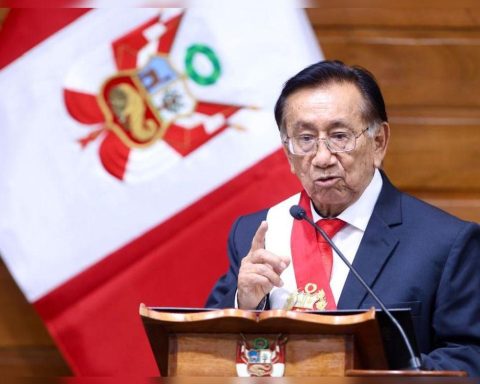
“The Popular Renewal Political Party puts public knowledge that the National Electoral Commission dated August 29, 2025 presented to the ONPE the modality of election for the primary that our political organization will use in the election of our candidates for the general elections 2026,” says the statement of the Celeste Group published today Tuesday, September 9.
“The ONPE, on September 1, sent the letter N 000131-2025-GOECOR/ONPE, omunicating that the modality did not present any observation,” the statement continues.
However, as the electoral expert José Naupari pointed out, the ONPE has no competition to qualify whether what the party sends (communication with the type of primary) corresponds or not with the statutes. In that sense, the letter is only the confirmation of the reception of the document. And “executing the primary elections does not mean the validation of that modality,” said Naupari. This would leave open the possibility of some observation or heel after the presentation of the parliamentary lists and the presidential plate.
The controversy was revealed following the letter of a citizen addressed to the ONPE. The letter sent by Noemí Marissela Macahuachi with DNI 62711719 warned the incongruity between the intention of the party to have an internal election through the delegates system and what its statutes indicate. According to the new statute, in article 65, popular renewal will have open and optional primary elections.
“If such irregularity was verified, it would be necessary to declare that the party is prevented from participating in the general electoral process,” says Macahuachi’s letter addressed to the Chief of the ONPE, Piero Corvetto. If that is the case, “an infraction would have been incurred that violates the principle of electoral preclusion,” says the document.
The permanence of the celestial party in the electoral contest of 2026 will remain in the hands of what at the time decides the special electoral jury.