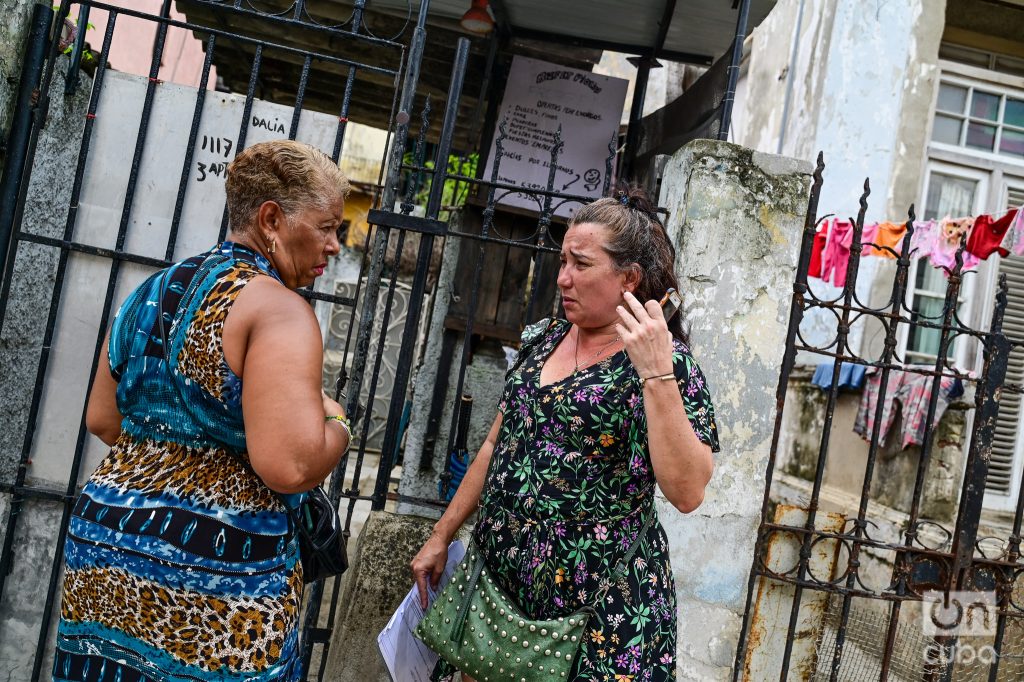
Havana/In the kitchen of Arminda, a 72-year-old woman living in Central Havana, this day’s lunch requires no pot or seasoning: two boiled sausages and a piece of white bread. To go to bed, he reserves a canned lemon soda and an industrial candy that a niece brought him. The fruits are sporadic visits; vegetables, a luxury he left behind. Diabetic, obese and hypertensive, Arminda spends these days dealing with chikungunya, a virus that, in her case, finds terrain undermined by poor diet.
His story is not exceptional. It is, rather, the portrait of the contemporary Cuban diet, increasingly shifted towards ultra-processed foods, a phenomenon that health authorities barely mention and that is intertwined with the growing vulnerabilities to diseases such as dengue or chikungunya, which today plague practically the entire island.
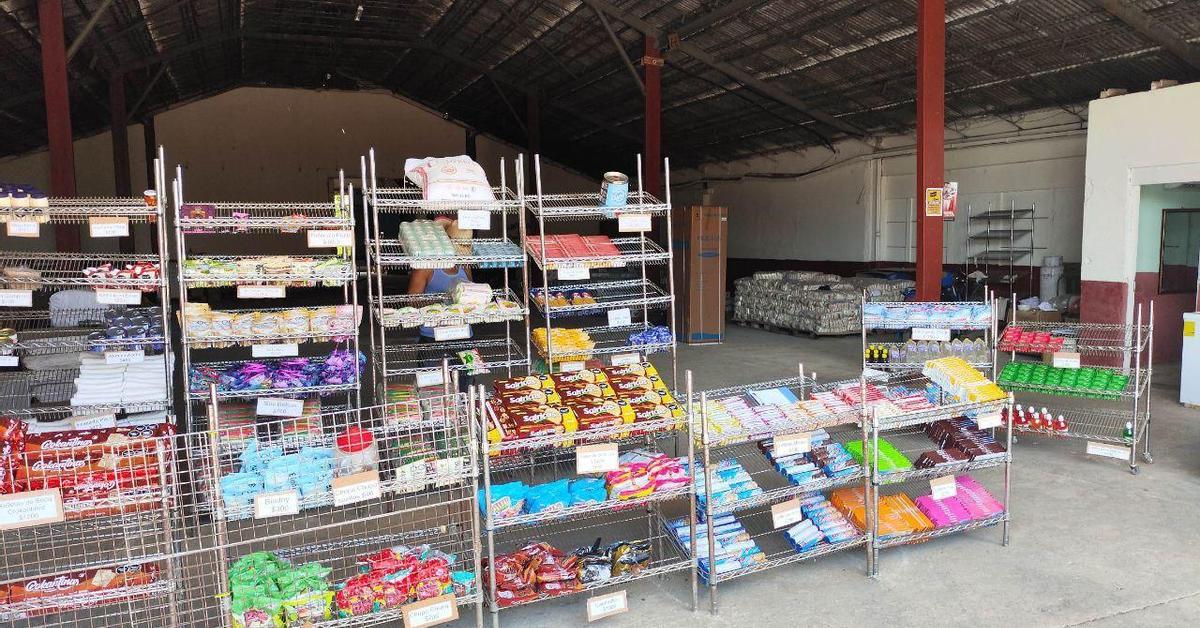
Ultra-processed foods are foods made with cheap industrial ingredients (starches, glucose syrups, hydrogenated fats), additives (dyes, flavorings, emulsifiers) and intensive processing techniques that make them durable, irresistible and easy to consume. These products combine large amounts of sugar, fat and salt—the so-called addictive triad—along with additives that enhance flavor, texture and smell. Enter any ration warehouseto a MSME store or to a private kiosk in Cuba and finding them is almost the same thing: there are sweet cookies, instant soups, packet soft drinks, croquettes of uncertain production and jams with a long list of chemicals.
Entering any ration warehouse, a MSME store or a private kiosk in Cuba and finding them is almost the same thing.
Recent international studies – including published in The Lancet and The Journals of Gerontology– conclude that high consumption of ultra-processed foods triples the risk of frailty in older adults and increases the probability of obesity, diabetes, cardiometabolic diseases, depression and even premature mortality. In the US, 70% and in Spain 32% of calories come from these products. In Cuba, without official statistics, the perception on the street points to accelerated growth.
This food trend derives from the collapse of agriculture and the food industry, which triggers shortages and, therefore, increased prices of fresh products. In entire neighborhoods, bananas are at astronomical prices; the sweet potato has become a luxury; Vegetables are inaccessible to most. On the other hand, a package of imported cookies can be cheaper than a pound of beans.
A recent indication of how poor nutrition is taking its toll in Cuba comes from a study carried out in 2024 among students of the University of Medical Sciences of Havana. The research, one of the few published on the Island on nutritional quality, detected a clear correlation between young people with diets poor in fruits, vegetables and proteins – and high in refined and ultra-processed products – and those who reported poorer sleep quality.
Although the study did not delve into the link between ultra-processed foods and specific diseases, it does reveal a disturbing pattern: poor nutrition affects the body’s basic recovery processes, including rest cycles, which in turn modulate immune capacity. The high prevalence of diets based on cheap breads, pizzas, soft drinks, cookies and sausages reveals the extent to which the food crisis has also eroded academic spaces.
In recent years, the emergence of imported products from Mexico, Panama, Spain or Brazil has multiplied the problem: what arrives on the Island, for the most part, are ultra-processed, because they are easier to store, less perishable and, above all, more lucrative. Their bright packaging – with bright colors, childish drawings and words like “premium”, “natural”, “light” – generate a mirage of quality that contrasts with reality: many of these foods provide empty calories, promote chronic inflammation and depress the immune response.
An especially high risk due to its link with diabetes and various cancers, but also at a time when dengue, Zika and chikungunya hit the country with peaks of contagion.
An especially high risk due to its link with diabetes and various cancers, but also at a time when dengue, Zika and chikungunya hit the country with peaks of contagion.
As Dr. Perla María Trujillo Pedroza, from the Manuel Piti Fajardo Polyclinic in Villa Clara, recently warned, “many patients in Cuba are evolving towards more symptomatic subacute stages” of chikungunya, among other reasons due to “the poor nutrition of our population, which does not favor a competent immune system.” His words, shared on social networks, They have circulated more than any official alert from the Ministry of Public Health.
In any Cuban school, the image is repeated: the snacks brought by children from home are made up of sugary soft drinks, bread with industrially produced dough, cookies full of dyes.
The State also has a contradictory role: some products that are still delivered through the supply book, such as children’s compotes and the extended picadillos are ultra-processed. They are also those that are distributed, almost exclusively, to those affected by cyclones and a good part of those sold by digital portals where emigrants buy food for their relatives on the Island.
This is not the first time that poor nutrition has left a national impact. In the 90s, during the Special Period, polyneuritis affected more than 50,000 Cubans, causing vision loss, muscle weakness and mobility problems. The authorities initially tried to hide the crisis and silence that its true root was the severe deficiency of B complex vitamins due to an extremely poor diet.
Three decades later, experts see disturbing parallels: nutritional deficiencies, monotonous diets based on low-quality products and vulnerability to infections
Three decades later, experts see disturbing parallels: nutritional deficiencies, monotonous diets based on low-quality products and vulnerability to infections.
While scientific alarm grows in the world, the official Cuban media practically does not talk about the growing presence of ultra-processed foods on national tables, except to cite foreign studies. There are no public campaigns that warn about its impact, nor updated dietary guides, nor transparent national data on its consumption.
At Arminda’s house, the lemon soda is on the table. His niece has also brought him a package of cookies filled with vanilla cream “to lift his spirits” and to forget for a moment the pain in his knees and wrists that chikungunya is causing him. The old woman smiles, grateful. He does not know that this gift, as tasty as it is processed, is part of a silent epidemic that today also undermines the health of the country.