Santo Domingo. – Several leaders of political parties in the country issued an alert about what they qualify as a “Worrying instability” In the Great Caribbean region, particularly in Colombia, Venezuela and Haiti, warning that these tensions could have direct consequences for the nation and regional security.
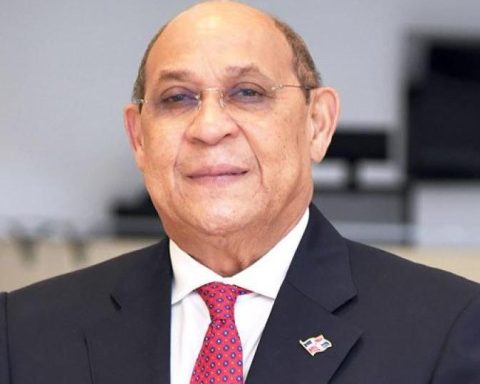
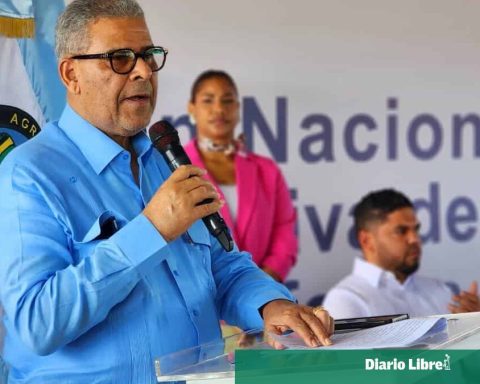
In the pronouncement, Pelegrín Castillo Semán (Progressive National Force), Federico Antún Batlle (PRSC), Deputy Elías Wessin Chávez (PQDC) and Deputy Ismael Reyes (PDI), expressed regret for the attack on the senator and presidential candidate Miguel Uribe Turbay In Colombia, as well as for the recent judicial conviction against the former president Álvaro Uribe Vélezwhich qualified as part of a “politicized and persecutory” process.
They also warned that both events join a “Growing political and social polarization” That, together with the prolonged crisis in Venezuela, it contributes to an increasingly unstable regional climate.
About Haiti, the leaders expressed their concern for what they consider a Failure of the Presidential Transition Council (CTP)and denounced their alleged approach to the regimes of the ALBA-TCPunder the influence of figures such as Leslie Voltaire.
They also accused a CELAC commission – integrated by the leaders Gustavo Petro (Colombia), Xiomara Castro (Honduras) and Ralph Gonsalves (San Vicente and the Grenadines) – to block international initiatives, such as the MSS mission led by Kenia and endorsed by the UN, which, according to them, has aggravated the humanitarian and security crisis in the neighboring country.
The document also expresses alarm for recent actions of the Colombian President Gustavo Petrowho has broken relationships with NATO and, at the same time, has announced alliances with what he calls “Armies of Light.”
Joint actions between Petro and Nicolás Maduroas the announcement of a Colombo-Venezuelan Binational Zoneand the restoration of relations with the regime of Daniel Ortega In Nicaragua.
They also referred to the visits of President Petro to Haiti in the name of the CELAC, in which – according to the statement – he would have made pronouncements that could be interpreted as incitement to armed resistance, further aggravating regional tension.