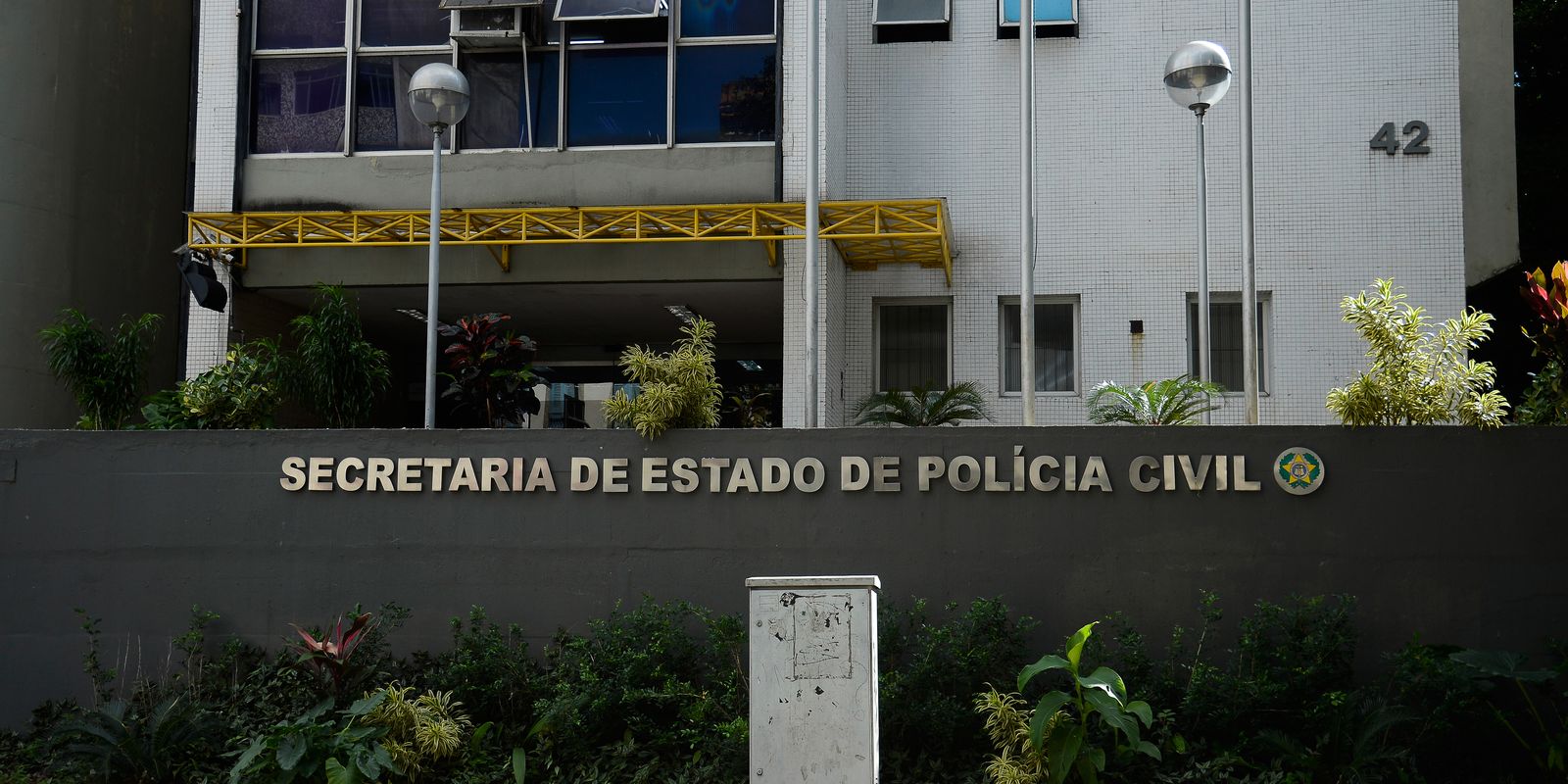
The Civil Police of Rio de Janeiro seized homemade bombs from members of a group that, according to investigations, was preparing to carry out attacks during a demonstration. The event was scheduled for 2pm this Monday (2), in front of the building of the Legislative Assembly of the State of Rio de Janeiro (Alerj).
The action was carried out by the Computer Crime Repression Department (DRCI), which carried out 17 search and seizure warrants at addresses in the capital, the metropolitan region of Rio and in the interior of the state. According to the police, the group calls itself “Generation Z” and, in the capital of Rio de Janeiro alone, has 300 members.
The investigation began after the specialized police station became aware of the existence of message groups and pages on social networks created with the aim of organizing “anti-democratic demonstrations”, scheduled to take place in several states in Brazil this Monday.
According to the Civil Police, today’s operation was initially planned to comply with precautionary measures against four people involved. Following intelligence information, another 13 were identified this morning, leading the police to ask the Court for more search and seizure warrants, which were granted by the Court.
In the action, the police seized homemade Molotov cocktails, as well as flags and pamphlets without specific targets. The chief delegate of the IT Crime Repression Police Station, Luiz Lima, said that the seized material included “flags with phrases fighting corruption, against corruption in the Banco Master case and against current government officials, but without specifying names or political parties or which party they belonged to.”
The police identified that the group’s members shared content aimed at radicalization and confrontation. Guidelines and instructional materials were also found for making improvised incendiary devices, such as the so-called Molotov cocktail, as well as homemade bombs, made with marbles and nails inside.
The targets of search and seizure warrants are investigated for the crimes of incitement to crime, criminal association and possession, manufacture or preparation of an explosive or incendiary device.
All are participants or administrators of internet groups that operated in Rio de Janeiro and “played an active and relevant role, directly encouraging the practice of violent acts and directing the planned actions, including choosing a sensitive location in the Rio de Janeiro political scene to carry out the attack”, said the police.