With the massive return of travelers to the city, mobility becomes the center of attention. This you should know about Plate Peak!
As happens every year during the Christmas and New Year season, the flow of vehicles towards Bogotá slows down. noticeably intensifies. During these holidays, thousands of people return to the city after spending time with family or taking advantage of the long weekends, which generates significant congestion in the main entry corridors.
To guarantee another return neat and safethe authorities have reinforced traffic controls, highlighting the Peak and Regional Platea key measure that seeks distribute vehicular flow and avoid severe traffic jams.
What is it and how will it work?
He Peak and Regional Plate It is a temporary restriction designed by the District Mobility Secretariat (SDM) with the objective of organizing the massive entry of private vehicles into the city on return days after holiday weekends or long weekends.
Unlike the traditional peak and plate, which applies within Bogotá on business days, this measure is only implemented on special dates of high traffic flow and exclusively on access roads to the city.
The SDM officially confirmed that this measure will be applied again in January 2026especially during the return of the festive long weekend of January 12, considered one of the days with the highest traffic flow after the end of the year celebrations.
Its main objective is stagger the arrival of vehicles and reduce traffic jams on the main arteries of the city.
Also read: Eye! From 2026, women will need fewer weeks to retire
Schedules and operations for the return
During the return day, the Pico y Placa Regional will operate as follows:
12:00 pm – 4:00 pm → Only vehicles with plates ending in an even number (0, 2, 4, 6 and 8) may enter.
4:00 pm – 8:00 pm → Only vehicles with license plates ending in an odd number (1, 3, 5, 7 and 9) may enter.
Before 12:00 pm and after 8:00 pm → All vehicles will be able to enter without restriction.
The measure will be applied in the nine main entry corridors to Bogotáwhich include the Autopista Norte, Autopista Sur, Avenida Centenario (Calle 13), Avenida Calle 80, Carrera Séptima, Avenida Boyacá / Vía al Llano, Vía Suba – Cota, Vía La Calera and Vía a Choachí. All these points will be monitored and marked by the mobility authority to ensure compliance.
Exceptions and recommendations
To facilitate mobility, the Mayor’s Office of Bogotá decided to raise the traditional peak and plaque within the city on special dates, such as Friday December 26, 2025 and Friday, January 2, 2026, allowing greater vehicular fluidity. However, this does not affect the Regional Peak and Plate, which will continue to be active in the entrance corridors, as on January 12, 2026.
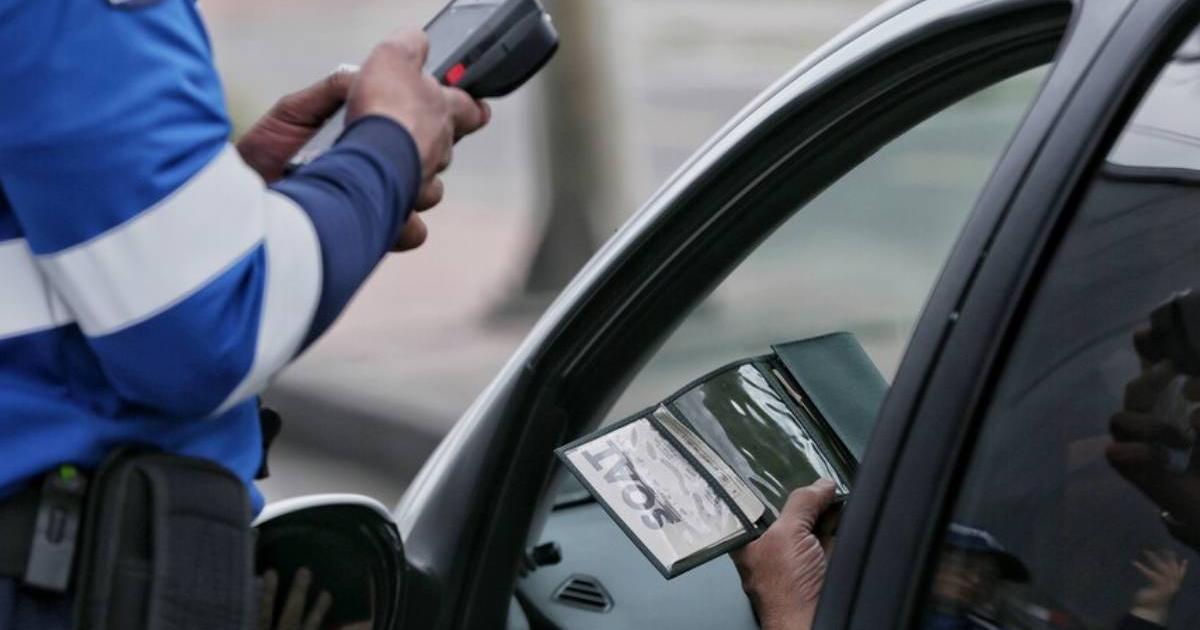
Failure to comply with the measure may result in sanctions, including fines and even immobilization of the vehicle, as stipulated by the Colombian National Traffic Code. The transit authority will carry out control in real time, with specific signage in each corridor.
You may be interested in: Santander: security recommendations for the end of the year
Tips for drivers
The District Mobility Secretariat (SDM) calls on drivers who plan to return to Bogotá to take precautions and follow the instructions to avoid setbacks. Among the main recommendations are:
– Plan the trip in advance, taking into account the number of plate and the schedules established by the Pico y Plate Regional.
– Avoid entering during peak hours if you are not authorized, to reduce the risk of congestion and possible penalties.
– Consult the official channels of the SDM before and during the trip, in order to verify the points of control, schedules and possible exceptions in real time.
With these measures, the authorities seek to ensure that the return to the city in January 2026 is orderly, safe and efficient, minimizing the traditional traffic jams that affect the main entry corridors during days of high traffic flow.