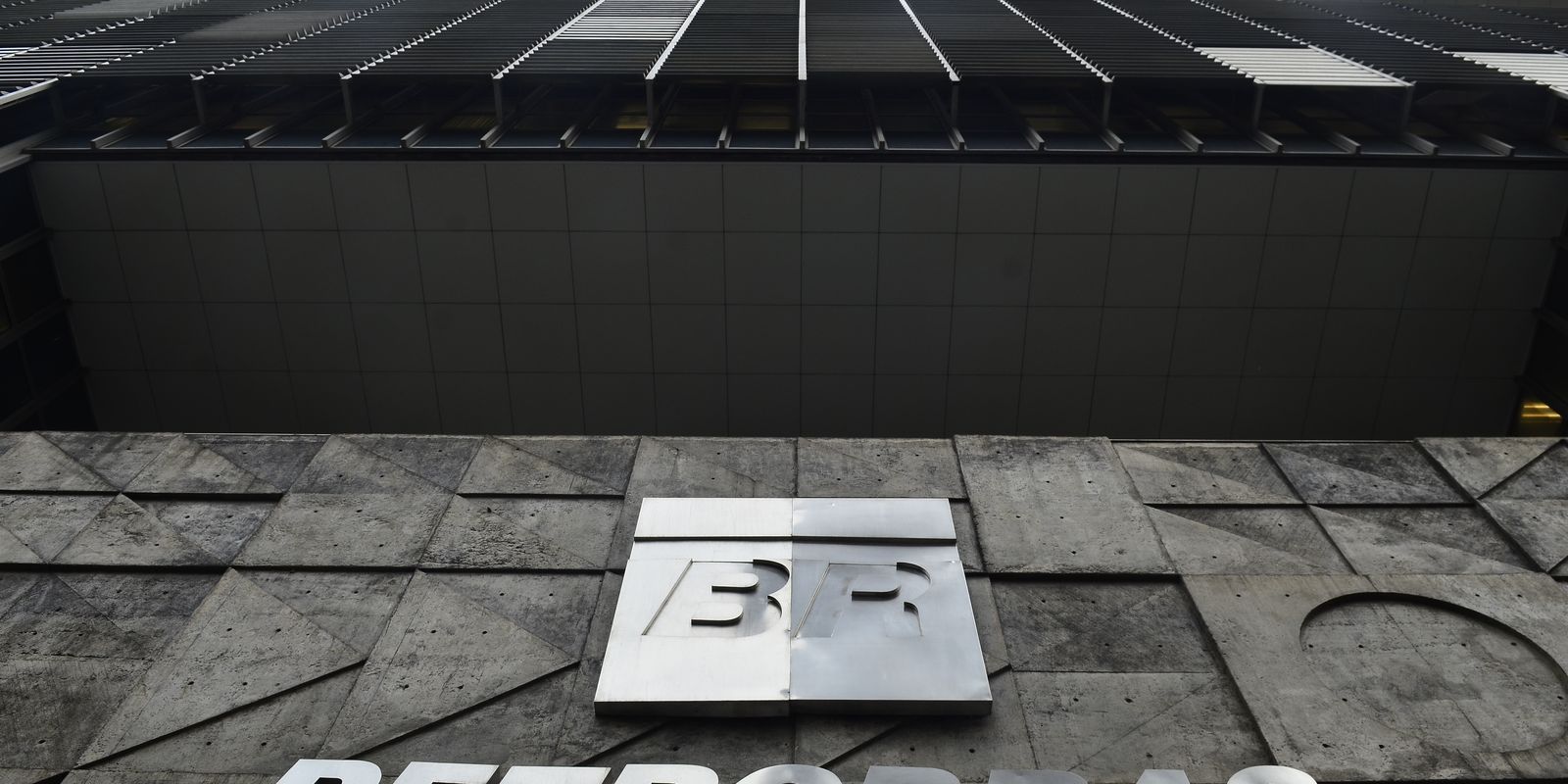
Dissatisfaction with the volume of dividends that will be paid to shareholders explain the strong drop in the actions of the Petrobras in the trading session this Friday (8) in B3the Stock Exchange of São Paulo. The assessment is from the financial and investor relationship director, Fernando Melgarejo.
“Perhaps it was a little frustrated [a expectativa de distribuição] of the dividend that was generated in this quarter. It was impacted by non -recurring events that will not happen in the next periods. So, circumstantially, the market has this behavior that we understand that must be fleeting, ”said Melgarejo.
At the time of the interview, Company’s common shares plummeted about 7%behavior that followed until the conclusion of this report. Similar movement happened on the New York Stock Exchange (NYSE).
Despite being state, Petrobras is a publicly traded company, that is, it has shares traded on a stock exchange. The government is a controller with 50.26% of voting actions. In this controlling group, the National Bank for Economic and Social Development (BNDES), a public promotion bank of the federal government, is also included.
>> Follow the channel of Brazil agency on WhatsApp
On the night of Thursday (7), shortly after the release of the second quarter balance, Petrobras announced the payment of R $ 8.66 billion in dividends and interest on equity (JCP) for shareholders. Both dividends and JCP are ways for a company to share part of the profit with shareholders. The amount equivalent to R $ 0.67192409 per share of the company.
The federal government should receive about 29% of the amount (proportional to the arrest of common shares and preferences). Another 8% go to BNDES. The common actions give voting rights; The preferred, priority when receiving dividends.
In the second quarter of 2025, Petrobras registered net profit of R $ 26.7 billion. The result is 24.3% lower than that determined in the previous quarter, but higher than the same period of 2024, when the company had a loss of R $ 2.6 billion.
Grounds
Despite the fall of the actions, Melgarejo stated that the market recognizes the company’s operating results as “very positive”. According to him, of the 16 market analysts who make recommendations for buying or selling stocks, 75% indicate purchase.
In the stock market, the more people are interested in buying a stock, the higher the price of paper and, consequently, the negotiated company.
“The company believes a lot in our value creation thesis for this year. We are in a reserve recomposition logic, greater production. So all this is a positive point for the company.”

Petrobras’s financial director, Fernando Melgarejo, during an interview with Agência Brasil Tomaz Silva/Agência Brasil
Low oil
Asked about the possibility of Petrobras to pay extraordinary dividends – besides the expected – in the future, the chief financial officer replied that he would “love it”, but considered that, for this, it will be necessary to have excess cash higher than the need for the company.
“It is only possible if you have a enough operational cash generation to meet the entire capex [sigla do inglês para capital expenditure ─ recursos para investimento] that we have, all Opex [operational expenditure, despesas operacionais do dia a dia] that we have and yet resource left. ”
The director stated that a possible impediment to reach the numbers is the price of oil, which has shown a trend of falling in the international market. In the second quarter of 2025, the type of oil Brent (reference in the international market) was traded on average to US $ 67.82 – 10% below the price of the first quarter.
Melgarejo emphasized that the ability to pay extraordinary dividends depends on two variables: oil price and quantity sold.
“In quantity we have been evolving, but the price really gave way, and if we continue at that level, we see less chances that we can have extraordinary dividend for this year,” he admitted.
Oil tanker
In contrast to the financial market, The Single Federation of Oil Tankers (FUP), which represents workers in the sector, considers an advance not to have extraordinary dividends in this quarterthat is, the category argues that this part of the profits continue within the company to expand investments.
“There was a reduction in the rhythm of expropriation of the wealth of the largest company in the country. We are alert to this to be a tendency in the company’s politics,” said FUP General Coordinator Deyvid Bacelar.
Petrobras’ dividend policy states that, in case of gross indebtedness equal to or less than the maximum level defined in the business plan in force (currently US $ 75 billion), and observing the other conditions of the policy, Petrobras should distribute to its shareholders 45% of free cash flow.