
One year ends, another begins and, in general, people set personal goals for the new period. Most of the time, however, they are broad goals that are often not met.
For the coordinator of the cardiointensive unit at Hospital Badim in Rio de Janeiro, Felipe Cosentino, the key to transforming goals into achievable events is perseverance. According to the doctor, the first big thing is not to set goals that are too big, which can end up generating frustration and abandonment.
Felipe Cosentino stated that the population’s wish list is long and usually includes new love, marriage, the job of their dreams, buying something much desired, the promise of taking better care of their health and well-being. The issue, he said, is that some of these goals are not achieved.
To turn the promise into reality, he recommended that people replace goals with sustainable habits that can be achieved little by little. Instead of ‘I’m going to lose weight’ or ‘I’m going to exercise’, it’s best to set concrete and achievable goals, such as ‘walk three times a week’ or ‘reduce the consumption of ultra-processed foods’.
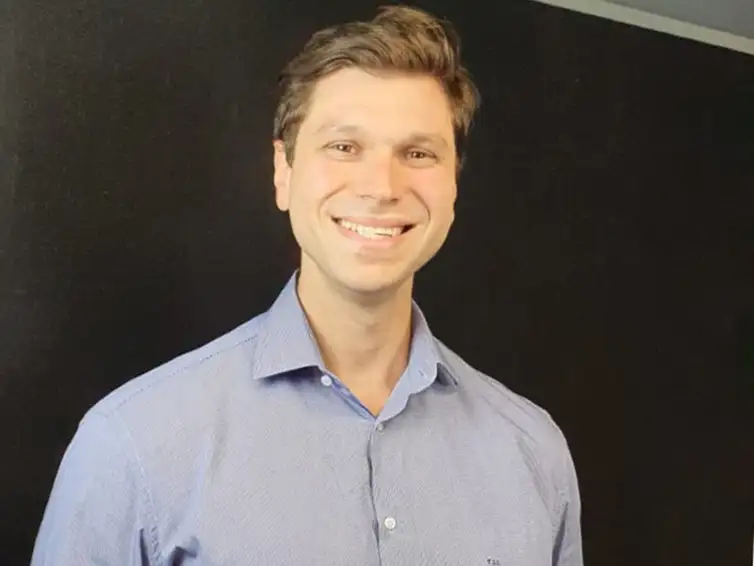
Rio de Janeiro (RJ), 01/01/2026 – According to cardiologist Felipe Consentino, it is important not to set long goals. Photo: Badim Hospital/Disclosure – Badim Hospital/Disclosure
According to Cosentino, consistency, even if it takes small steps, is what guarantees lasting results.
Assessing health
This period of personal and professional assessment also represents an opportunity to assess health. “Reviewing exams, consultations and behaviors allows us to start the new year with more balance and prevention”, he assured.
“Undoubtedly, it is important that we care about our hearts, care about our health as a whole and cardiovascular health is fundamental within this context”.
Regarding cardiovascular health, in particular, the doctor said that people should avoid self-medication, always see a cardiologist, monitor cholesterol levels, triglycerides, among others, avoid fat, prefer lighter foods, improve lifestyle habits.
Best way
Cosentino explained that simple habits, such as maintaining good quality sleep, having a balanced diet and regularly practicing physical activity, have a profound impact on the prevention of cardiovascular, metabolic and mental diseases.
He recalled that most chronic diseases develop silently, such as diabetes and hypertension, even without showing symptoms. Therefore, he insisted that prevention is always the best way, because it allows treatment before more serious complications occur.
In addition to reserving time to rest for themselves, Felipe Cosentino indicated that people should also avoid excessive information on the internet and social networks, valuing face-to-face interaction and dialogue that has disappeared in families and in relationships with doctors.
Moderation
The physician and hospitalist at Hospital São Vicente de Paulo (HSVP), Lucas da Silveira Martins, advised people to seek goals that are balanced and feasible.
“Because, when we set an objective that is too far ahead, it can be a little frustrating when we don’t get the expected result so quickly. That’s why my advice is moderation, it’s balance. In other words, instead of people setting very lofty goals, they should try to establish more flexible goals that can be achieved.”
Martins suggested that people draw a circle and place all areas of their life there.
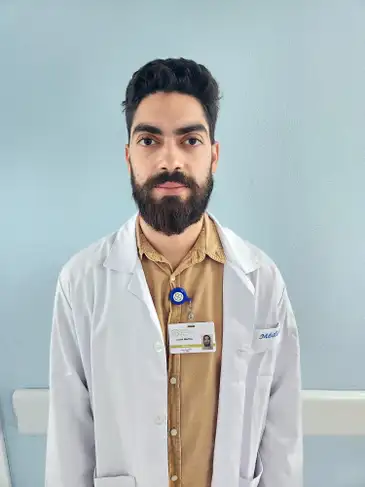
Rio de Janeiro (RJ), 01/01/2026 – New year goals: draw a circle and place all areas of your life there, suggested doctor Lucas da Silveira Martins. Photo: HSVP/Disclosure – HSVP/Disclosure
“We can include sleep, physical activity, leisure activities, activities related to our social cycle, work and, without much judgment, try to give ourselves a score, let’s say, from 1 to 5, in each of these areas”.
According to the clinician, based on the notes, the person tries to establish a feasible goal of how much they want to improve. “So, for example, if I give myself a grade of 1 in physical activity, I can first try to get to 2, get to 3. This can be achieved by doing physical activity two or three times a week”, he advised.
Martins recalled that the World Health Organization (WHO) recommendation is that people perform 150 minutes of aerobic physical activity per week, but this is sometimes difficult to achieve. “So we have to try to have a short-term goal so that maybe, who knows, next New Year’s Eve, we can move our score a little closer to the goal.”
According to the doctor, if people are able to observe their habits and addictions every day and see what they can do to improve, with the help of specialists, they will begin to follow a better established path, even if it is slower.
“If I am a smoker and I want to quit, I can look for a pulmonologist to help me with this goal. If I am overweight and I want to lose weight, I can seek medical advice to do so, avoiding magical or miraculous formulas.”