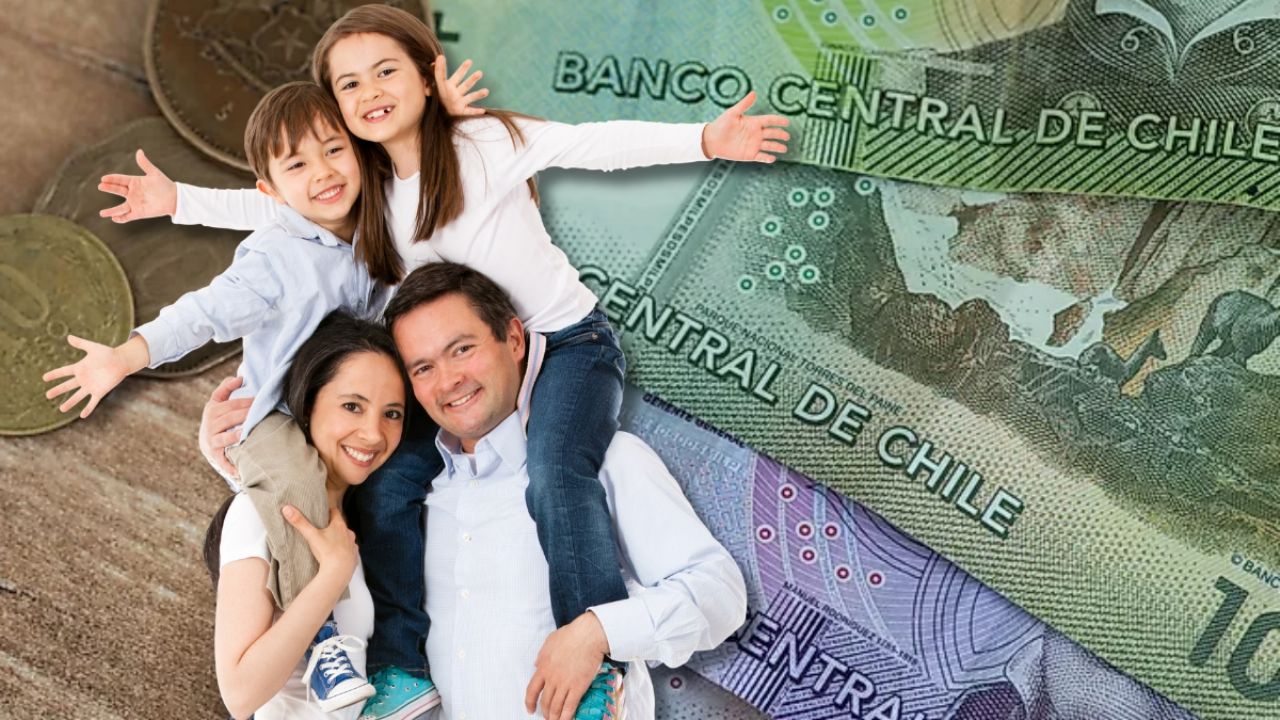
Since February 17, the Social Security Institute (IPS) has begun to pay the Permanent family contribution 2025 to the first beneficiaries. This benefit, previously known as “Bono March”, is intended to relieve the extra expenses that many families face at the beginning of the year. This year’s amount is $ 64,574 per family or family charge, as appropriate.
This year, the IPS has confirmed that more than 1.9 million families will receive the Permanent family contributionwhich represents a significant fiscal effort by the State, exceeding 232 billion pesos. The distribution of these payments will be made in several stages, starting with those who received the family subsidy or belong to the securities and opportunities subsystem.
Payment process and beneficiary groups
The first group of beneficiaries includes those who received the family subsidy, solidarity Chile or family ethical income as of December 2024, and those who already receive benefits regularly through the IPS. These families began to receive payments on February 17, and do not need to carry out additional procedures to access the benefit.
The following groups will begin to receive the Permanent family contribution March 3 and 17, including people who receive family or maternal assignment. The process is designed to be simple, with most beneficiaries receiving payment directly through bank deposits.
To consult if they are beneficiaries, people can enter the official websites, www.aportofamiliar.cl or www.chileatnda.cl, or calling call center 101. In addition, those who do not appear in the first consultation will be able to verify their status in future dates, such as March 3 and 17.

This program not only provides economic relief to families, but also undertakes to facilitate access through digital and telephone care platforms, ensuring that all beneficiaries have access to Permanent family contribution.
Future payments and distribution
The total payment of this benefit will be completed in the coming months, with an emphasis on improving the efficiency of the process. In the future, more families are expected to benefit from this type of government initiatives that aim to relieve the economic burden of the most vulnerable families in the country.