In addition, all patients who file protections receive treatment thanks to the provisional suspensions that force health institutions to comply with services and supplies.
In recent years, The IMSS has been the health institution that has received the most protection from patients, with 3,837. But thousands managed to access this human right with collective protections before the General Health Council, which totaled more than 14,000, according to a report from the Zero Disposal Collective.
For lawyer Guillermo Rivera, general director of the organization Justice against Cancerthe reform opens the door to interpretations that favor public institutions and not citizens.
A judge, for example, could deny protection for a hospital to provide a medication if he argues that the cost of the drug for one person puts the financing of the rest of the patients at risk.
“This is what worries me the most, that the authority can tell you: ‘Wait, I can’t give you the medication because, taking into account social justice, the collective interest, I have patients in this hospital who are on a list and that for me is priority, the collective interest over your individual interest,'” he explains.
Added to this is the change in the Judiciary, which created a Disciplinary Justice Court to correct misconduct by judges. But it could be used as a way to punish judges who grant unfavorable protections to the governments in power.
“The Disciplinary Justice Court can come and tell you: ‘Hey, you did not address the social interest in your ruling, you gave the medication to that person and you failed to protect the population collectively, so I’m going to open an administrative procedure for you,’ he illustrates.
Save life with protection
Justice against Cancer has accompanied more than 4,400 people in the process of protection for medicines and health services. It arose within the framework of the covid pandemic, when the shortage of health supplies worsened.
Despite the reforms, it continues to help patients without access to medicines by appealing to resolutions and theses of the Supreme Court of Justice of the Nation.
But its director also sees the reform as a risk in the last way that sick patients have to defend themselves against the failures of health institutions. Protection became another way to save lives.
Activist and lawyer Andrea Rocha agrees. She directs the National Union against Desabasto, since which he has helped patients with around 600 protections.
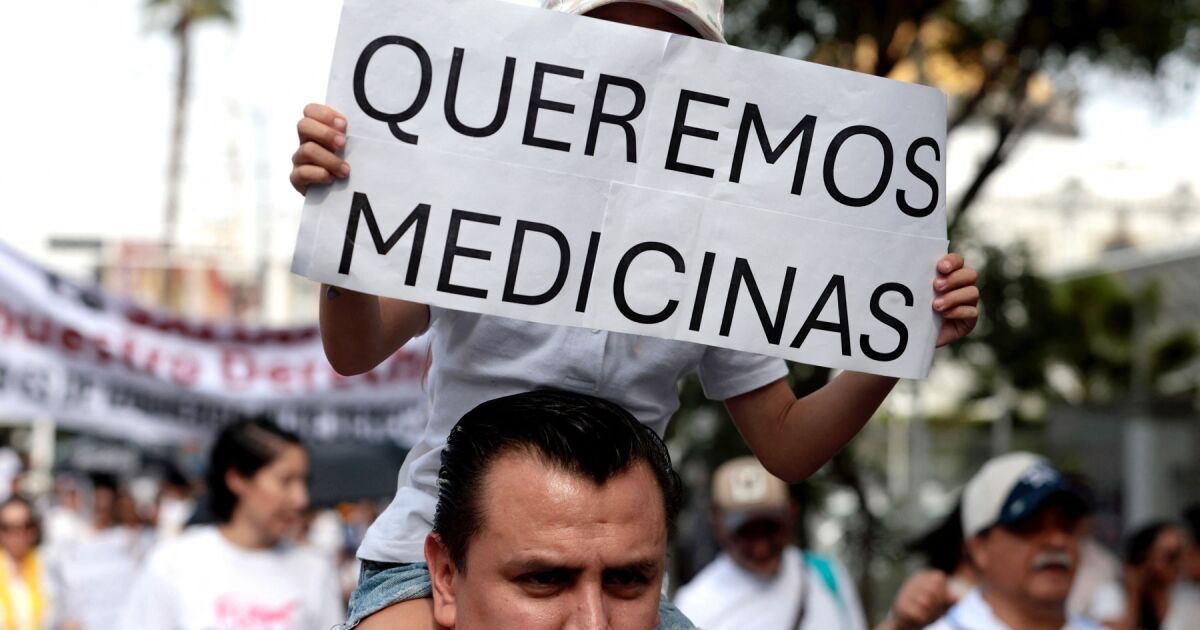
Since last year, Rocha warned about these risks within the framework of the approval of the Judicial Reform, which brought ministers, magistrates and judges to the polls. He even organized a patient protest to demand that these changes not be endorsed. But this did not happen and today he fears that patients will be left unprotected.
Who is going to guarantee us the right to health of the protected patients?
Andrea Rocha, National Union against Shortages.