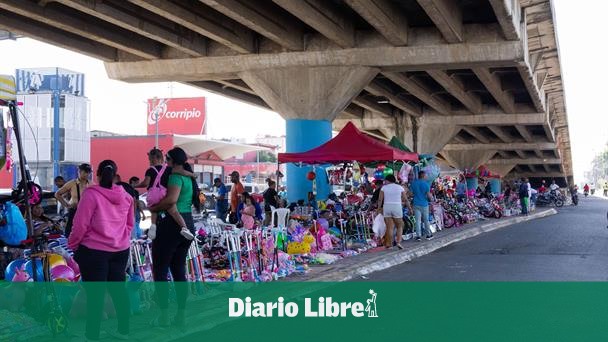
Every year, the arrival of Three Kings Day revives a discussion that goes beyond toys and children’s celebrations. This is a profound contradiction between the cultural traditionlegal regulations, educational practice and the social meaning of one of the most significant dates for dominican families.
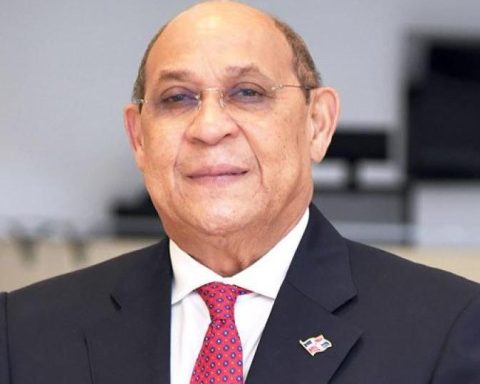
The Catholic priest Gregorio Alegría sums it up clearly: it is a “contradiction internal internal“that he Three Kings Day be considered by the Church as a day of obligation and, at the same time, be a business day.
For Alegría, forcing children to attend school on January 6 ignores the very nature of the festival, centered on childhood illusion, family coexistence and the enjoyment of gifts that, symbolically, equalize rich and poor children.
In practice, that contradiction generates chaos: many parents do not send their children to school, some teachers do not agree with teaching classes, and the educational system It ends up working halfway. “That is not educational, it is not social and it does not favor the family,” says the priest, who supports that the Three Kings Day be declared immovable and non-working on the same day.
Law 139-97, which regulates holidays in the Dominican Republic, stipulating that those that fall on Tuesday or Wednesday are moved to the previous Monday, and those that fall on Thursday or Friday are moved to the following Monday.
The confusion that repeats itself
From another perspective, the president of the Duartiano Institute, Wilson Gómez Ramírez, warns that the confusion is not exclusive to Three Kings Day. Remember that for more than 15 years we have been fighting so that the birth of Juan Pablo Duarteon January 26, is not subject to transfers that blur its historical and educational significance.
For Gómez Ramírez, move national dates or religious breaks the link between the commemoration and its original meaningespecially in the school environment. “That generates confusion among students and the community in general,” he says, while questioning the lack of patriotic sensitivity of the Congress National versus projects that seek to make fundamental dates immovable for the national identity.
-
“We understand that this request from the first lady of the Republic is healthy because the day of the Holy Kings is established as January 6 of each year. And, naturally, when the celebration moves, the holiday also generates confusion,” said Gómez Ramírez.
The law and its interpretation
Former deputy Pelegrín Castillo, one of the proponents of the Law 139-97 about the holidaysintroduces a key nuance to the debate: the law, he assures, does not move the festive dates, but only the non-working character. According to Castillo, the distinction between “holiday” and “holiday” has been poorly explained and worse applied by the authorities, which has contributed to the confusion widespread.
“This responds to the need not to break the productive rhythmlabor and educational, and at the same time favor the family break and the domestic tourism. You cannot confuse a holiday with a holiday. The law orders that they be held allusive acts to the commemoration of the holiday, and that has never been done,” said the former legislator.
“The esteemed first lady, Mrs. Raquel Arbaje de Abinaderlike many other people and sectors, are under the influence of that confusion induced”, he maintained and added: “I understand that, if the authorities do not have the will to enforce the law, then it is best that it be repealed, so that the Law of the funnel, of large interests, regains the fullness of its dominion.”
Castillo defends that long weekends have had a positive impact on the family break and the domestic tourismand remember that this legislation is common in much of the continent. However, it recognizes that the State has failed to promote commemorative events on the original dates, as the law itself mandates.
In the specific case of Three Kings Daypoints out that the Catholic church was consulted and that, in many Latin American countries, the Epiphany It is celebrated liturgically on the first Sunday after New Year’s Day. Even so, he warns that, if there is no political will to correctly apply the law, perhaps the most honest thing to do is to repeal it and rethink the system.
The voice that revives the debate
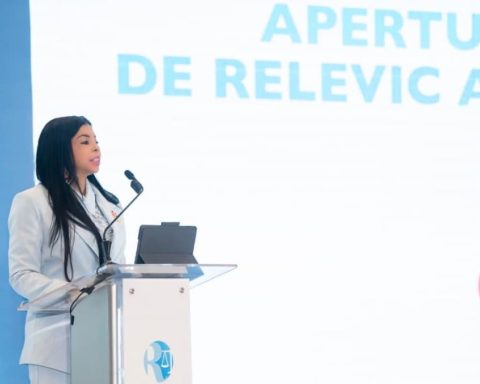
The recent statement of the first lady, Raquel Arbaje de Abinaderhas revived the discussion. Through the social network Epiphany or of the Holy Three Wise Men becomes immovable again, always celebrating the January 6. His message put the issue back on the public agenda and caught the attention of legislators.
Meanwhile, the celebration remains between paradescultural activities and a calendar that does not quite agree with itself. The result is a permanent tension between productivity and tradition, between law and practice, between school and family.
document.addEventListener(DOMContentLoaded, function () { document.querySelectorAll(.small-slider).forEach(function (slider) { const container = slider.querySelector(.slider-container); const items = slider.querySelectorAll(.slider-item); const prevBtn = slider.querySelector(.prev); const nextBtn = slider.querySelector(.next); const dotsContainer = slider.querySelector(.slider-dots); it.style.flexShrink = 0; { if (currentIndex === 0) goTo(items.length – 1); else goTo(currentIndex – 1); dotsContainer.innerHTML = ; items.forEach((_, i) => { const li = document.createElement(li); const btn = document.createElement(button); btn.addEventListener(click, () => goTo(i)); li.appendChild(btn); if (i === 0) li.classList.add(active); dotsContainer.appendChild(li); }); The confusion that is repeated From another perspective, the president of the Duartiano Institute, Wilson Gómez Ramírez, warns that the confusion is not exclusive to Three Kings Day. Remember that for more than 15 years we have been fighting so that the birth of Juan Pablo Duarte, on January 26, is not subject to transfers that blur its historical and educational significance. For Gómez Ramírez, moving patriotic or religious dates breaks the link between the commemoration and its original meaning, especially in the school environment. “This generates confusion among students and the community in general,” he says, while questioning the lack of patriotic sensitivity of the National Congress in the face of projects that seek to make fundamental dates immovable for the national identity. “We understand that this request from the first lady of the Republic is healthy because the day of the Holy Kings is established as January 6 of each year. And, naturally, when the celebration moves, the holiday also generates confusion,” said Gómez Ramírez. The law and its interpretation Former deputy Pelegrín Castillo, one of the proponents of Law 139-97 on holidays, introduces a key nuance to the debate: the law, he assures, does not move the festive dates, but only the non-working nature. According to Castillo, the distinction between “holiday” and “holiday” has been poorly explained and worse applied by authorities, which has contributed to widespread confusion. “This responds to the need to not disrupt the productive, work and educational rhythm, and at the same time favor family rest and domestic tourism. A holiday cannot be confused with a holiday. The law orders that events be held alluding to the commemoration of the festive date, and that has never been done,” said the former legislator. “The esteemed first lady, Mrs. Raquel Arbaje de Abinader, like many other people and sectors, are under the influence of this induced confusion,” he said and added: “I understand that, if the authorities do not have the will to enforce the law, then it is best that it be repealed, so that the Law of the funnel, of large interests, regains the fullness of its dominion.” You may be interested Raquel Arbaje requests that Three Kings’ Day be immovable and calls on legislators Castillo defends that long weekends have had a positive impact on family rest and domestic tourism, and remembers that this legislation is common in much of the continent. However, it recognizes that the State has failed to promote commemorative events on the original dates, as the law itself mandates. In the specific case of Three Kings’ Day, it points out that the Catholic Church was consulted and that, in many Latin American countries, Epiphany is celebrated liturgically on the first Sunday after the New Year. Even so, he warns that, if there is no political will to correctly apply the law, perhaps the most honest thing to do is to repeal it and rethink the system. The voice that revives the debate The recent statement by the first lady, Raquel Arbaje de Abinader, has revived the discussion. Through the social network His message put the issue back on the public agenda and caught the attention of legislators. Meanwhile, the celebration continues between parades, cultural activities and a calendar that does not quite agree with itself. The result is a permanent tension between productivity and tradition, between law and practice, between school and family. “/>