In addition to the food crisis, the OVP reported that access to drinking water is conditional on paying 150 bolivars for a weekly bottle of water. This amount must cover consumption, personal hygiene and washing uniforms, an amount that is insufficient for the detainees.
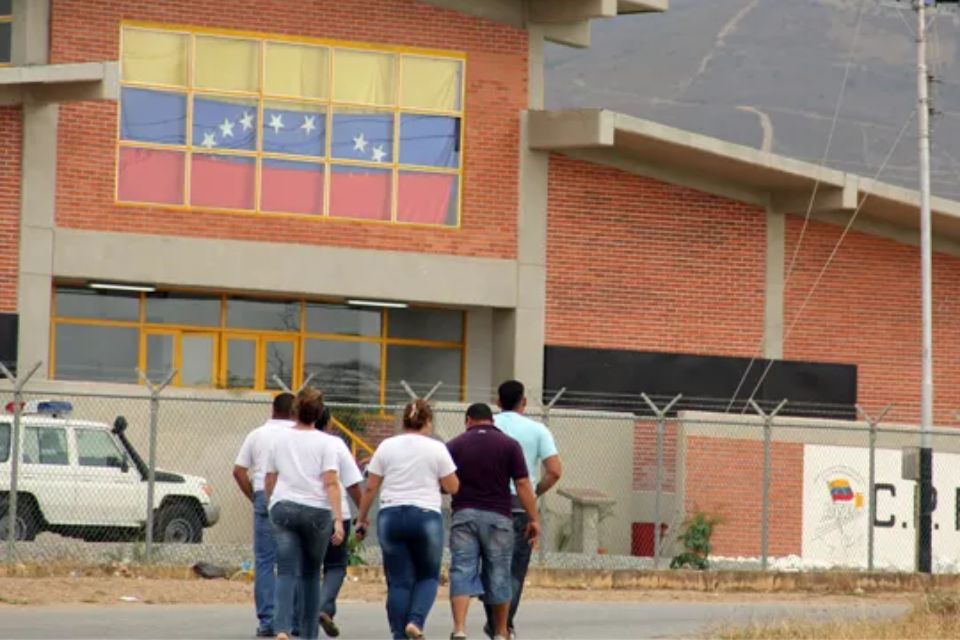
The Venezuelan Prison Observatory (OVP) reported this Friday that the 1,840 prisoners in the Fénix Lara Penitentiary Community receive food in a state of decomposition. According to the organization’s report, inmates have ingested rotten sardines, which has unleashed outbreaks of intestinal diseases within the prison.
The complaint, based on testimonies from family members and a letter sent by the inmates themselves, details the following irregularities in the food supply. According to the report, the diet is limited to yellow pasta and arepas without accompaniments, failing to meet the basic caloric requirements.
They reported that prison officials confiscate a large part of the food that family members try to bring in during visits.
The OVP pointed out that the inmates denounce that the bread produced in the prison, which was previously for consumption by the population, is now sold and the profits are allegedly collected by the center’s management.
In addition to the food crisis, the OVP reported that access to drinking water is conditional on paying 150 bolivars for a weekly bottle of water. This amount must cover consumption, personal hygiene and washing uniforms, an amount that is insufficient for the detainees.
The report also points directly to the director of the prison, Héctor Maraima, for alleged humiliation, verbal abuse and the closure of work spaces (carpentry) and recreation (sports fields).
The Complaints arise 27 days after an official visit by the Minister for the Penitentiary Service, Julio García Zerpa. Although the inmates exposed the flaws in health, nutrition, and procedural delays during the meeting, the OVP assures that no improvements have been implemented and that the evaluations to grant procedural benefits remain paralyzed.
“What generated expectations of improvement ended up becoming new unfulfilled promises,” said the organization, recalling that article 272 of the Constitution, which guarantees respect for human rights in prisons, remains not applied.
Journalism in Venezuela is carried out in a hostile environment for the press with dozens of legal instruments in place to punish the word, especially the laws “against hate”, “against fascism” and “against the blockade.” This content was written taking into consideration the threats and limits that, consequently, have been imposed on the dissemination of information from within the country.
Post Views: 210