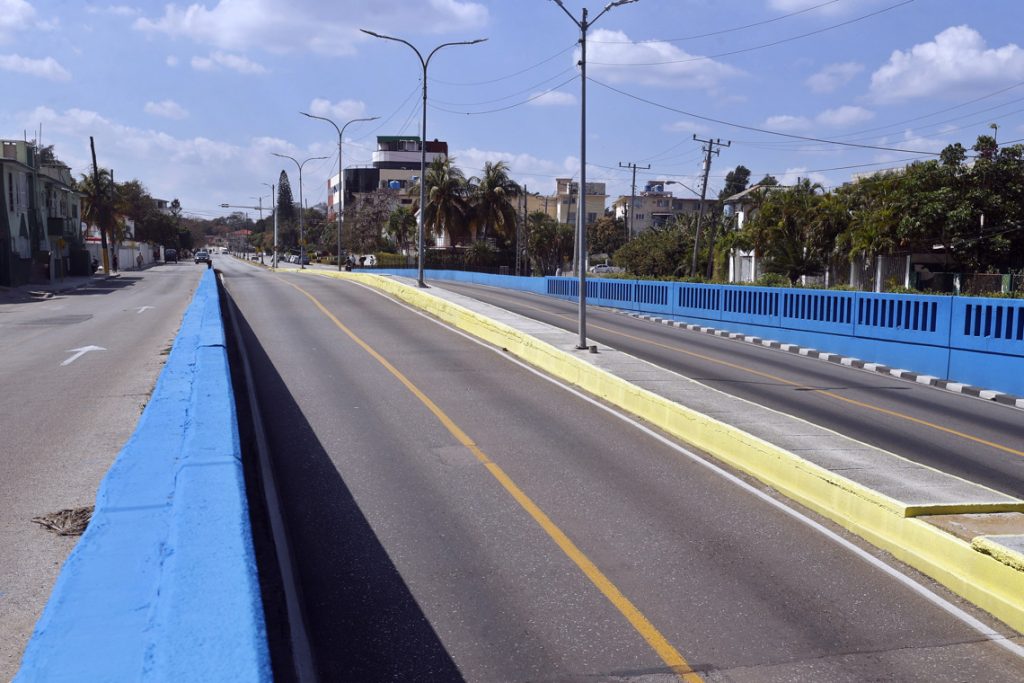
Havana/The Canadian Government announced this Monday that it is working on an aid package for Cuba in the face of prolonged blackouts and serious fuel shortages aggravated by the oil blockade imposed by the United States. “We are preparing an assistance plan. At this time we cannot provide details of the announcement,” said the Minister of Foreign Affairs, Anita Anand, according to a note released by the agency. Associated Press.
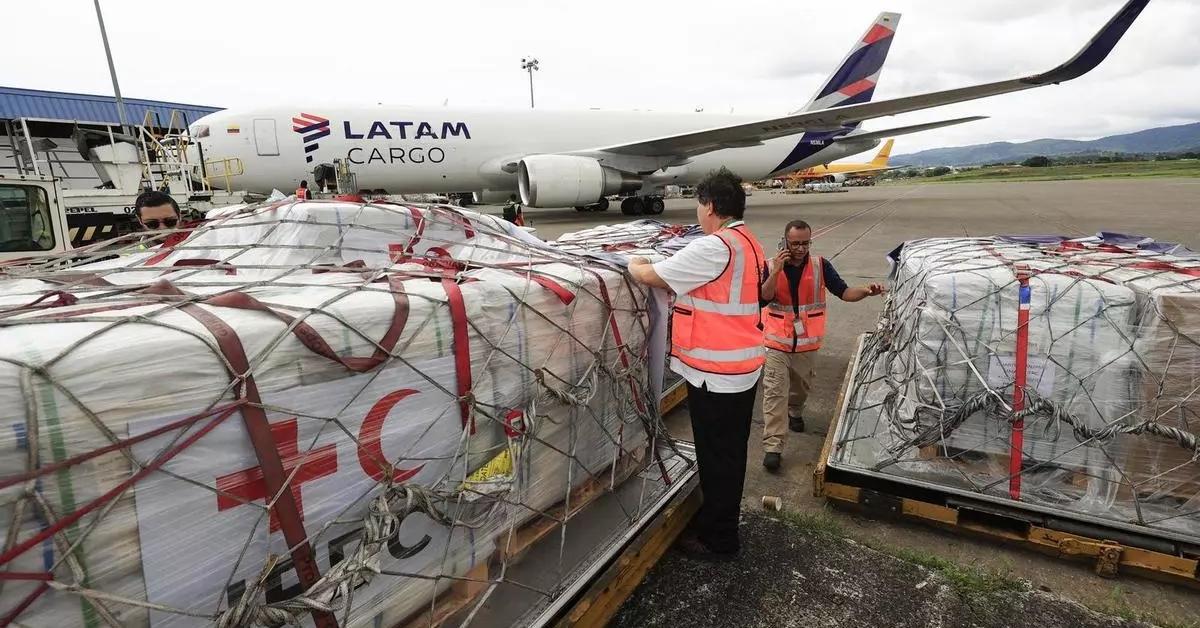
Although the official did not detail the form of the aid, the shipment could repeat what Mexico did in early February, when it sent two ships from the Navy to Havana with 814 tons of basic supplies such as milk, beans, rice, oil and tuna, to which will be added the shipment of another 1,500 tons of powdered milk and beans.
Being the first source of tourists to the Island and the main foreign investor in the mining and gas industry through the Sherritt company, Canada has contributed for several decades to sustaining the Cuban economy. The energy crisis caused by the loss of oil given by its Venezuelan ally after the military operation to capture the then president, Nicolas Maduro, on January 3, has paralyzed two of the main sources of foreign currency for the Cuban regime: tourism and mining.
“We are preparing a support plan. At this time we cannot provide details of the announcement”
In just a few weeks, the airlines Canadians canceled all their flights to Cuba due to a critical shortage of kerosene. These include Air Canada, which operated 16 weekly flights, as well as WestJet, Air Transat and Sunwing.
Furthermore, the Canadian Government issued a travel alert to its citizens on its official website at the beginning of February in which it noted that the current situation on the Island is “unpredictable and could deteriorate, altering the availability of flights in a short time.” He also warned that “a high degree of caution must be exercised in Cuba due to worsening shortages of electricity, fuel and basic needs, including food, water and medicine, which may also affect tourist centers.”
The crisis, however, began long before Maduro’s fall and Canadian tourism data has dropped to almost half of what it was in 2015, when 1.3 million visitors arrived, fleeing the harsh winter of the northern country. In 2025, only 754,010 arrived, although their numbers improved slightly in January 2026 compared to the same month last year.
Last week, furthermore, the giant Sherritt announced the suspension of its activities in the nickel and cobalt mines that the firm operates in Moa (Holguín) due to lack of fuel. The corporation announced that it plans to pause operations and put the processing plant on standby, time that will be spent carrying out “planned maintenance activities.”
The decision was made, the firm explained, after having received “a notification that the planned fuel deliveries for Moa will not be met and the deadline for the resumption of deliveries is unknown.”
For the American businessman William Pittfrom whose family the regime expropriated multiple mining properties in 1960, the decision also puts at risk the production of natural gas that supplies Havana, since the Cuban Government was paying cobalt to Sherritt to repay the debt it had of 250 million dollars, and while production is stopped, it will no longer be able to do so.