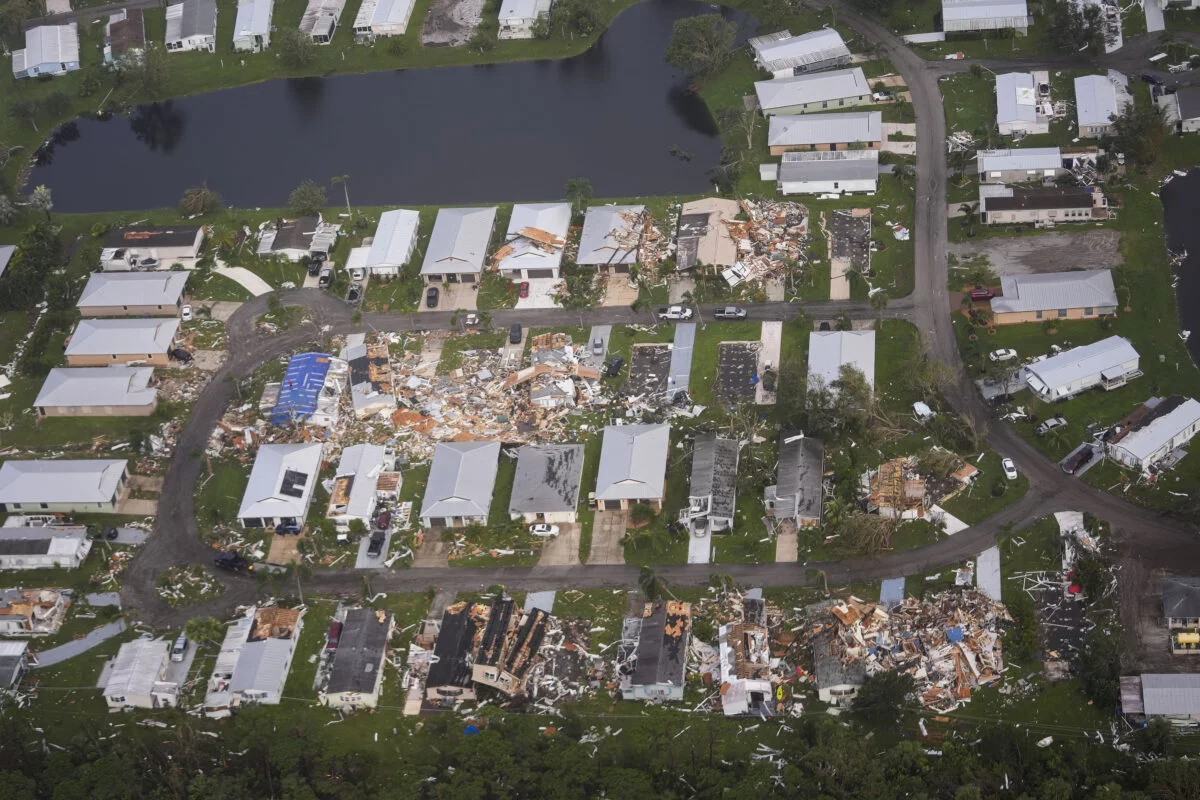
Santo Domingo.- When commemorating this October 13he International Day for Disaster Risk Reductionthe Regional Concertation for Risk Management (CRGR)calls investing in prevention before catastrophes or unnecessary losses occur.
The entity made up of five National Risk Management Tables of Central America joined that exhortation to “Invest in resilience, not in disasters,” which is the motto designated, for this occasion in 2025, by the United Nations Office for Disaster Risk Reduction (UNDRR).
On this occasion, this last entity promotes carrying out a decisive changeaimed at “investing in resilience now to avoid paying for disasters later”, as these are becoming more frequent, more costly, and more devastating.
In its Global Report on the State of Disaster Risk Reduction 2025, “the direct costs of disasters are estimated to be around $202 billion annually.
However, when considering the indirect losses and the impacts on ecosystems, the real cost exceeds 2.3 trillion dollars”, aspects that drastically affect compliance with the SDGs-2030.
According to this specialized UN body, Latin America and the Caribbean It is the second most disaster-prone region worldwide and its estimated annual losses in infrastructure reach 58 billion dollars, based on GDP.
However, countries invest less than 2 percent of their budget on prevention and spend more on repairing damage than avoiding risks.
The cycle for disaster risk reduction It is not adequately included in development models in CA, which experiences devastating losses every year, as one of the most vulnerable regions on the planet.
In this sense, the CRGR promotes prevention approach and we call on the Central American States to follow the recommendations of regional bodies, such as SICA and CEPREDENAC, which point out the urgent need to commit to anticipatory actions, early warning systems, protection of livelihoods and financing towards the Resilience of Nations and their Communities.
As indicated by the UNDRR: “it is estimated that it is between four and seven times more expensive react to Emergencies and Disasters, rather than prevent, reducing Vulnerabilities.”
The CRGR, through a press document, announced that it will continue working for the strengthening of the Roundtables and the attention of the communities of the region, with the firm conviction that prevention and the execution of measures focused on Comprehensive Risk Management will allow achieving true Central American Resilience.