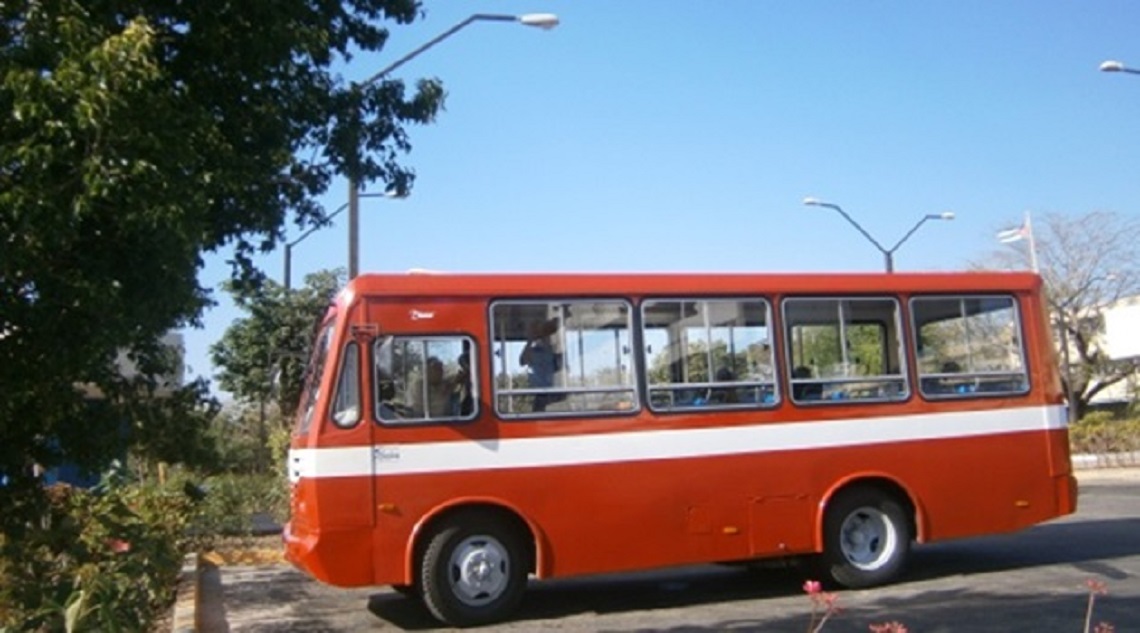
In a controversial action, the Provincial Government of Cienfuegos and the Transportation Directorate reimbursed to the state system the buses that operated under the modality of private lease, after they were technically rehabilitated by entrepreneurial chóferes.
According to the authorities of the sector, the measure is aimed at “optimizing the service and guaranteeing its sustainability” in the long term, although the passage was reduced to only one weight.
The initiative, which was already executed after almost a year of irregular services by the leased units, unleashed divided opinions between managers, tenants, users and experts in public transport.
In the center of the official announcement there is the premise that state management and control, after the repair and conditioning of just over forty guaguas, will strengthen the planning of routes and schedules, as well as improve the stability and efficiency of the provincial system, which, as in the rest of the country, is semi -heary.
Despite the official statements of good intentions, some sectors criticize the lack of accompaniment to the tenants, who invested their own resources in the recovery of vehicles that were about the scratch and fear that the measure does not resolve the structural deficiencies of transport in the territory.
Reestatization: A specific decision or a future plan?
“This measure is essential to ensure that public transport in Cienfuegos is sustainable and efficient in the long term,” said Roberto Fabelo Martínez, director of transport of the province.
“While the lease of Guaguas was a temporary solution in difficult times, we verified that the state system can offer a more stable and optimized service,” he added, according to the portal report Cubadebate.
According to Fabelo, the reintegration was carefully planned to avoid interruptions and agreements with the tenants were established to facilitate the transition. At the same time, provincial authorities assured that labor alternatives are offered for those who are affected by this measure.
For his part, Orlando Valdés Pérez, director of the Basic Business Transportation Unit, said that of the 42 buses withdrawn approximately half already were reacted and have been reintegrated into urban and rural routes, covering the needs of both the header city and of surrounding municipalities.
“We work so that the reintegration is carried out in an orderly and transparent manner,” said the manager, and explained that new drivers have been hired and that in some of the routes with the greatest demand the number of vehicles will increase to improve the frequency.
In turn, Osmany Romero, Coordinator of Programs and Objectives of the Provincial Government in Cienfuegos, recognized the concern of the population and assured that “we work tirelessly to guarantee an efficient, safe and affordable service,” according to a note in Cubadebate.
Minister: Imported Automobile Taxes leave funds for investment in public transport
A questioned model: lease and its contradictions
Since 2021, before the Cuban State’s resources crisis – including fuel shortage, spare parts and lacks of the Automotive Park – the Government authorized the lease of bus to private porters, seeking to keep a segment of public transport operational.
Eduardo Rodríguez Dávila, Minister of Transportation, explained in September 2024 that, although the lease has served to launch media that were paralyzed, it has generated “disorganization, prices violations and deregularization that generates misunderstanding in the population”.
At the end of June 2024, 750 buses and 106 semiMnibus had leased in the country, of which 551 (73.5 percent) and 49 (46.2 percent) were already working), respectively, Rodríguez Dávila reported Facebook.
“Although it is a small figure compared to all these existing means in Cuba, the leases have played an active role in both local and national transportation,” admitted the official.
The return to the state system seeks, according to the authorities, to “strengthen management and control” to avoid these indisciplines and better plan the routes.
Some lines that were dead, such as 1, 3, 5 or 207, “revived” in the header city, and reorganized tours to play abandoned rural areas, defended Valdés Pérez.
However, critics warn that the traditional state scheme also does not guarantee fuel supply or adequate maintenance, so real functionalities could be limited.
Voices found: opinions from experience and networks
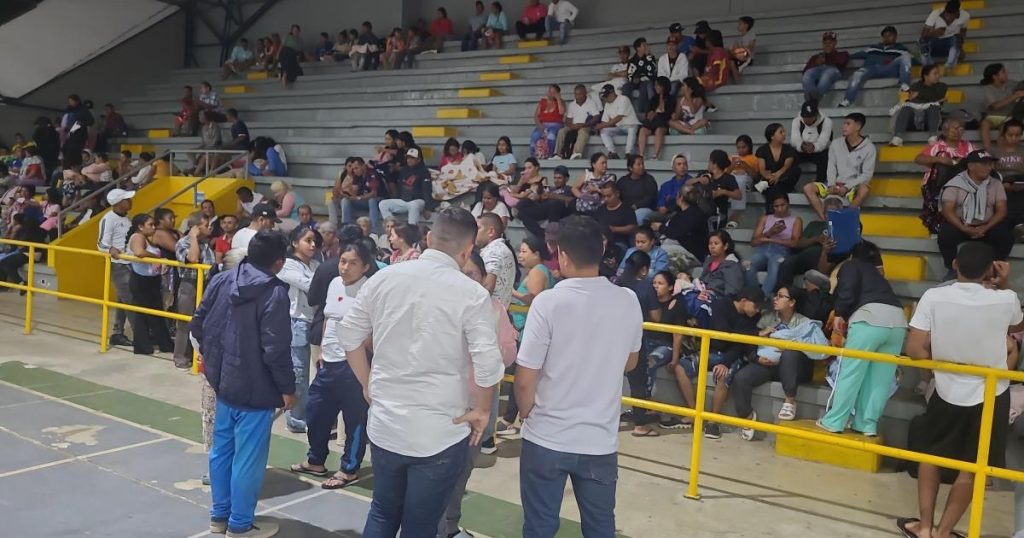
The rearrangement of transport in Cienfuegos, whose city had about 180 thousand inhabitants three years ago, has generated intense debates in social networks and among local experts.
“They should only check the price, as a weight is little compared to inflation,” said Ereny Morales in Facebookreflecting concern about the balance between price and sustainability.
Juan Carlos, another user of the social network, expressed his hope that the authorities manage to better manage the vehicle park: “Here are microbuses, and we need the government to remember that we are also part of Cuba,” he said in reference to the recent incorporation of such means of transport, especially in Havana.
There are also acidic criticism. Daniel Valdés pointed out that to “solve” the transport problem, several bus passed empty and did not collect passengers properly, generating injustices and crises that especially affected users of less resources.
Beyond, the “mediocre balance” of the privatizing experience is underlined by voices such as that of an anonymous user who pointed out: “That was seen coming … they fixed the cars and now they are from the state again.”
Some remember that the tenants invested in rescuing practically evicted vehicles, and now they fear not receiving compensation for those expenses.
Others question the lack of transparency in management. For example, “Electric” declared: “It lacked clear information about the contracts and legal reasons of the reimbursement, which could have legal and political implications.”
Meanwhile, Alicia expressed discontent with the delay in the reactivation of transport: “This measure was late, people have been paying excessive prices for private motorcycles or walking long distances.”
Geralt de Rodas defended the measure as positive, arguing that in the end “it benefits the honest and hardworking people” and that the bushes “never really provided services prioritizing the population while they were leased.”
On the other hand, “the dissatisfied” said that the system will not even work under these changes: “capitalism does not work or the stateism; Corruption and bad service will remain the same. “
In a weighting exercise, Ariel47, a user with experience in public transport, explained that the “lack of control was the big mistake” in the lease model, which despite its potential could have worked with clear contracts that specify routes and schedules.
Cienfuegueros users expect this re -estatization not to “start again the stoppage and chaos cycle”, but that it is a real impulse towards a functional and sustainable system that responds to the growing demand after years of crisis.