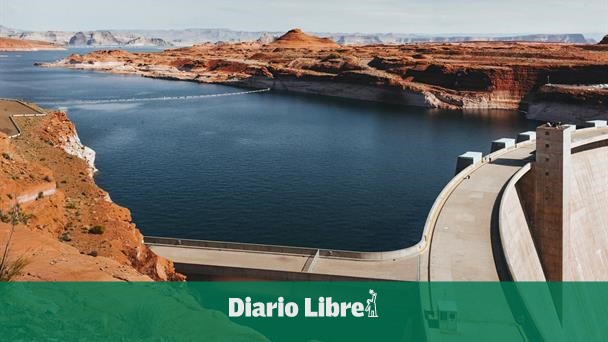
Latin America and the Caribbean generated a total of 161 terawatt hours of electricity in the month of July, 4.5% more than in the same month of the previous year, with 45.7% obtained through hydroelectric plantsreflecting the region’s high dependence on water, as concluded by the Latin American Energy Organization (Olade), in the latest report of electricity generation released this Friday.
The Olade highlighted that, in absolute terms, there was a decrease in electricity generation based on floors hydroelectric plants, compared to the previous month of June.
The generation with natural gas kept his upward trend mainly due to the need for backup in the face of the variability and intermittency of generation with energy sources. non-conventional renewable energy (such as wind and solar) and the increase in the installed capacity for generation with this energy source.
The index of renewability in the electricity generation of the region Latin America and the Caribbean It fell to 65%, compared to the 71% recorded in June 2024, marking one of the lowest values in the last four months.
Even though the total renewable generation reached 104 terawatt hoursthe increase of non-renewable sources (57 terawatt hours) contributed to the drop in the index.
Regional average
A dozen countries Latin America and the Caribbean exceeded the regional average of renewability of their matrix electricity generation in July 2025among them:
- Paraguay and Costa Rica (100%).
- Uruguay (97%).
- Venezuela (94%).
- Colombia and Ecuador (90%).
- Brazil (88%).
- Panama (83%).
- Belize (77%).
- El Salvador (68%).
This, according to the Oladereflects structural differences in the energy matriceswhere some countries have achieved an almost complete transition towards renewable sources, while others maintain a dependence on fossil fuels.
The Oladebased in Quito, is a cooperation bodycoordination and technical advice of a public and intergovernmental nature, which since 1973 It seeks to promote the integration, conservation, rational use, commercialization and defense of the region’s energy resources.
This organization is made up of ArgentinaBarbados, Belize, Bolivia, BrazilChile, Colombia, Costa Rica, Cuba, Ecuador, El Salvador, Grenada, Guatemala, Guyana, Haiti, Honduras, Jamaica, Peru, Dominican Republic, Suriname, Trinidad and Tobago, Uruguay and Venezuela.