‘Cubadebate’ emphasizes that the island does not participate in “events of this type” since 1960.
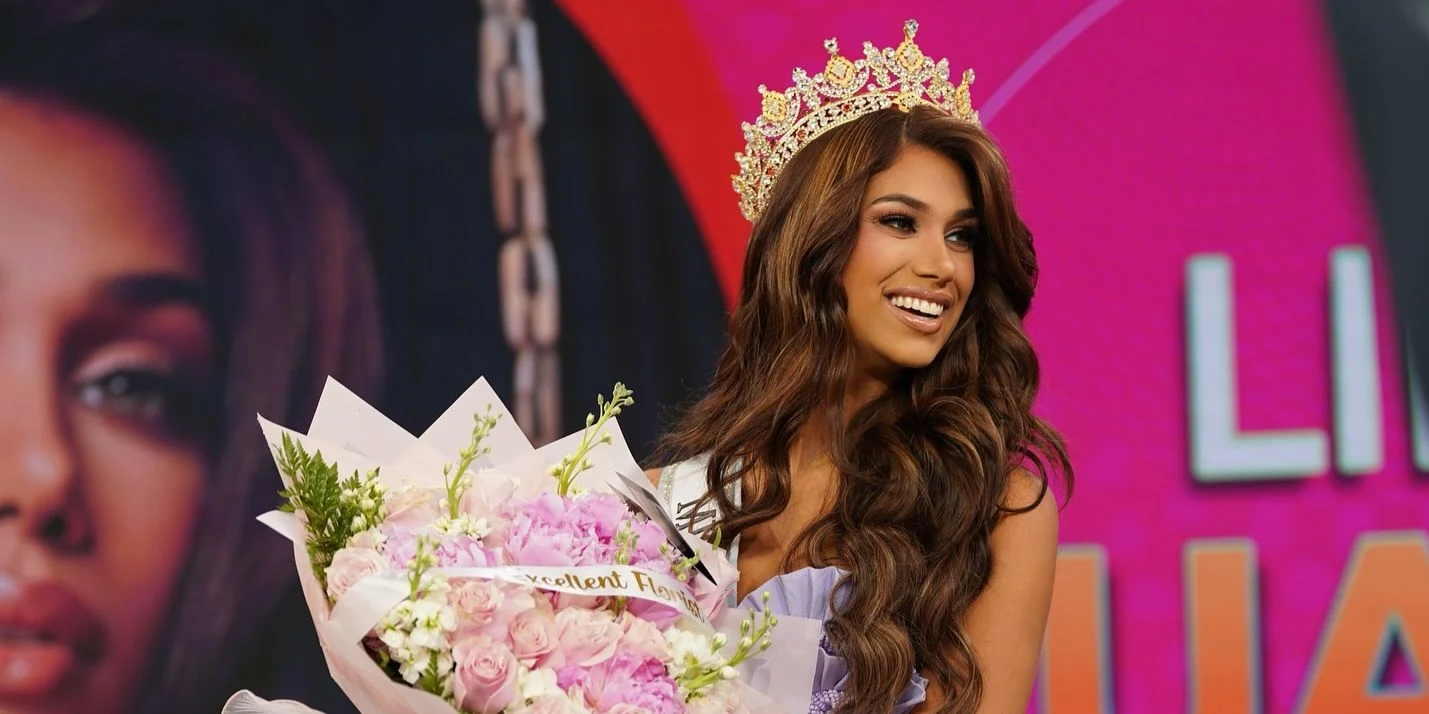
Miami, United States. – The official Cuban press criticized the designation of Lina Luaces – “born and raised in Miami, Florida” – as representative of Cuba in Miss Universe 2025 and questioned the contest itself, which qualifies as an industry that “reasons the woman” and mercantilizes national identities. This is stated by the article “Who defines what is ‘being Cuba’ in Miss Universe?”signed by Thalía Fuentes Puebla and published last Saturday in Cubadebate.
The text indicates that Luaces, 22, will participate in a “controversial in itself” contest planned for November in Thailand and underlines that a good part of the media highlight that she is “daughter of the renowned presenter Lili Estefan”
According to the article, the controversy revolves around the authenticity of its link with the country that intends to represent the gap between the beauty queens and the national realities that they say they embody. “Miss Universe demands that her candidates embody the essence of her nations, but how could someone whose frame of reference is the privilege of the diaspora elite in Miami?” Asks the text.
The note highlights biographical elements and the selection process to support their objections. “Lina was not born in the largest of the Antilles. He represented the province of Santiago de Cuba in Miss Universe Cuba” which for the second consecutive year is done in Miami – and has never stepped on this Eastern region; even spanish does not speak fluid. “
According to the article, Miss Universe Cuba is organized in Miami by Venezuelan businessmen and has jurors and promoters “known in the competition circuit, but oblivious to Cuban daily life”, including Prince Julio César and Faddy Halabi. The jury composition, organizers and sponsors – which cover “aesthetic surgeries, boutiques, clothing brands [y] restaurants ” – suggests that” commercial interests on the authentic knowledge of national reality prevail, “says the text.
The criticism reaches the public profile of the contestant and the editorial direction of the event: it argues that the trajectory of Luaces, “centered on the Wellness And fashion, ”responds to parameters of the US market and not to the priorities of women on the island. In the author’s opinion, the election“ reveals a strategy of presenting a sweetened version of Cubanity, away from the political and social complexities that define life in the Antillean country ”.
Beyond the specific case, the text frames Miss Universe in an industry that, she affirms, perpetuates stereotypes and logics of consumption. “You cannot ignore the background of an industry that profit from the show, of entertainment, of beauty from a superficial look, competitions that reserve women by reducing it to their physical appearance, impose Eurocentric and class aesthetic standards, function as consumerist propaganda vehicles and distort the true social role of women.”
In contrast, he adds: “Faced with this model, Cuba built an alternative paradigm where female value is measured by concrete contributions in medicine, education, science and sport, not by body measures.” The article recalls, in that framework, that Cuba does not participate in “events of this type” since 1960 and presents that decision as “conscious and grounded.”
The text also questions the representation from the diaspora if not half direct experience of life in Cuba. “True representation requires more than Cuban surnames: it demands a deep understanding and a direct experience of the reality that is intended to embody,” says the author, who argues that the system of competitions “privileges those who have resources to compete, markets national identities [y] Silence the voices of those who live everyday reality. ”
As a climax, the article opposes the values that, in their opinion, should be projected from the country with the media exhibition of the contest and the new representative. “The true Cuban beauty is not measured in catwalks, but in laboratories, classrooms, hospitals and sports fields,” he concludes, after regretting that “the superficial news about Lina, its routines, its routines, outfits and lifestyle are shared again and again on the networks as if she were the Cuban woman to imitate. ”
Already Lina Luaces herself has referred to the criticisms received for being born and grown in Miami and not in Cuba. On July 11, on the fourth anniversary of the historical protests that shook the island in the summer of 2021, the young woman wrote on his Instagram profile: “I was not born on the island, but the island was born in me. I grew up listening to stories that do not fit in books: the heat that burns but also hugs, of fear disguised as silence,
of hope that never went out. ”
Referring to the 11J Cuban protesters, he added: “My blood carries her scars, her music, her strength. Although the sea separates us, my heart marches with you.”