Interannual inflation in Cuba’s formal market was reduced in January to 12.52%, compared to 14.52% in December, according to data from the National Office of Statistics and Information (ONEI) released this Wednesday and collected by the agency EFE.
The slight drop occurs at a time when the Cuban peso is suffering its greatest devaluation in the informal market, where the dollar reached 500 pesos, a historic low that reflects the fragility of the island economy now gripped by an energy blockade from Washington.
Inflation declining, but still high
The consumer price index (CPI) remains well below the 24.23% recorded in January 2025, although it remains an indicator of persistent inflationary pressure. The monthly variation compared to December was 0.67%, and compared to January of last year, the increase was 0.88%.
By category, the largest year-on-year increases occurred in Alcoholic Beverages and Tobacco (36.16%), Restaurants and Hotels (21.14%), Education (18.49%), and Housing Services (14.85%).
Food and non-alcoholic beverages rose 12.51%, while the health (1.01%), transportation (5.34%), and recreation and culture (6.06%) sectors showed more moderate increases.
Cuban peso in free fall
The relative inflationary moderation contrasts with the accelerated depreciation of the peso in the informal market. The dollar was quoted on Wednesday at 500 Cuban pesos, compared to 438 on January 3, after the capture of former Venezuelan president Nicolás Maduro and the interruption of preferential oil supplies from Caracas.
“Many things are sold directly in dollars, despite the fact that the majority of Cubans do not have stable income in that currency,” explained Ricardo Torres, a Cuban economist at the American University of Washington, quoted by the agency. AP.
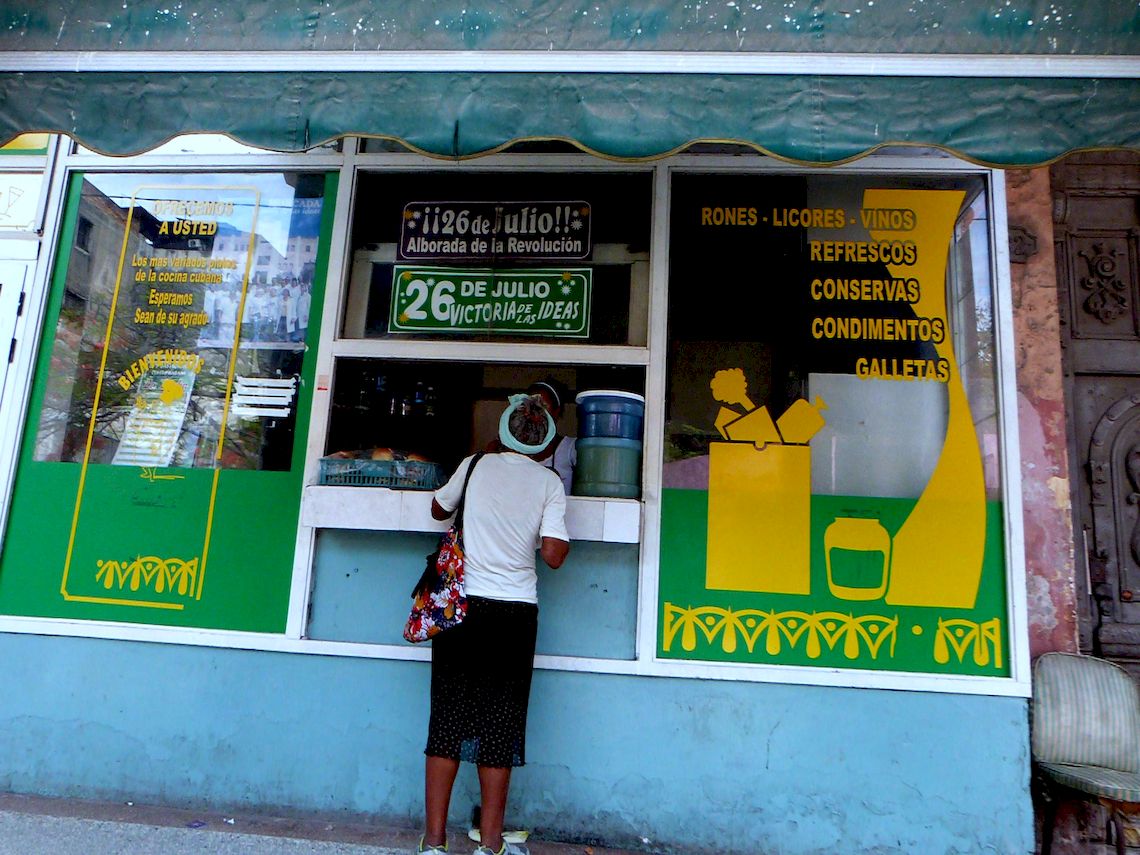
The average salary on the island is around 7,000 pesos —about 14 dollars at the informal exchange rate—, while a carton of eggs costs close to 3,000 pesos.
Structural crisis and shortages
The Cuban economy is going through a crisis considered the worst in decades, driven by shortages of food, medicine and fuel, widespread and prolonged blackouts and a growing dollarization of State goods and services.
The GDP contracted around 5% in 2025, accumulating a drop of more than 15% since 2020, according to the Center for Studies of the Cuban Economy (CEEC).
President Miguel Díaz-Canel acknowledged that the economy shrank by 4% in the first three quarters of the year, although complete official figures have not yet been released. The energy crisis, worsening since mid-2024, has been one of the main factors of the contraction.
Experts attribute the depreciation of the peso to the interruption of Venezuelan supplies and the threat of new US sanctions against countries that sell oil to Cuba. The island produces only 40% of the crude oil it needs and depended on Venezuela, Russia and Mexico as regular suppliers.
The combination of the COVID-19 pandemic, the tightening of sanctions since the Trump administration and failed domestic monetary policies have deepened the structural problems of a model that many consider exhausted and incapable of producing wealth.
“The currency reached the psychological limit of 500 pesos per dollar, a barrier that the market had respected even in complicated conditions,” said Pavel Vidal, an economist at the Pontificia Universidad Javeriana de Cali, also cited by the AP.
The dollar breaks the barrier of 500 pesos in the informal market
Fragmented foreign exchange market
The Cuban exchange system maintains multiple official rates: 24 pesos per dollar for some state companies, 120 for others and a “floating” rate created in December to attract foreign currency to the banking system. The latter stood at 455 pesos per dollar on Wednesday, still below the informal rate.
“There are very few ways to escape the depreciation of the currency,” warned Torres, who anticipates that the fall of the peso will translate into higher inflation, further limiting the government’s margin of action.
The crisis has generated growing social discontent, visible in unusual protests in recent years and in an unprecedented wave of migration. Many Cubans depend on remittances sent by relatives abroad to survive, while the state supply card barely covers basic products such as rice, beans and sugar.
The economic deterioration has also hit tourism, already in clear post-pandemic decline, and one of the island’s main sources of income. Canada, one of the largest sources of visitors, suspended Air Canada flights to Cuba due to lack of fuel, which anticipates a negative impact in the coming months; Meanwhile, Russia suppressed two airlines and sent ships to pick up tourists stranded on the island.
Economists like Vidal warn that the immediate future depends on international negotiations in a “complicated political chess” that involves the United States, China, Russia and Mexico. Without external support, the island could face a humanitarian crisis with dramatic consequences, despite the emergency plan designed by the government to avoid collapse.