Many of the damaged properties, which were at the time emblematic, had different purposes: some were rebuilt and others changed their use.
There are also iconic cases such as the missing Hotel Regis, at the crossroads of Juarez and Balderas, which became the Plaza de la Solidaridad, a space that was born as a memorial, but that today is a refuge for people in street and point situations for the street sales of Asian products.
Below we present public images of the “tremor collection, buildings damaged in the 1st. Table”, of the General Archive of the Nation , of some of the most representative buildings damaged by the 1985 earthquake and how they look 40 years after the earthquake.
Bancomer branch
In the corner of Avenida 20 de Noviembre and Regina, a building collapsed on the morning of September 19, 1985. On its ground floor a Bancomer branch worked that, although it did not suffer serious structural damage, being the basis of the property had to be demolished with the rest of the construction to give way to a new work.
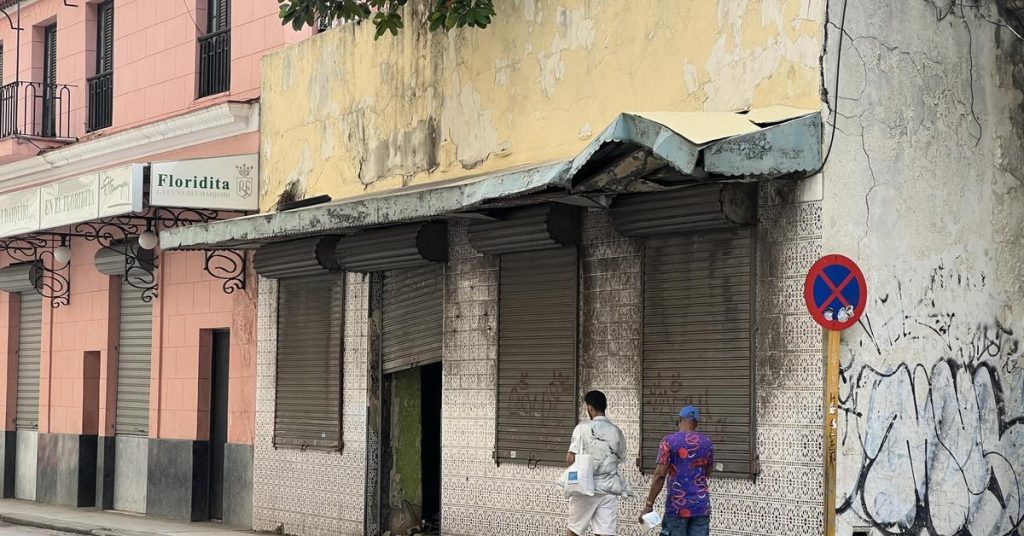
Today, the property houses two directions: on November 20, 123 is the “Plaza 20” and on Regina 65 is the “José Caram Building.” In both spaces, nine commercial premises with metal curtains adorned with artistic graffiti are distributed
They are currently offered in these premises, clothing for graduations and party garments, mainly aimed at women. On Regina Street, the rent of Mini Bodegas at the top is also announced in golden letters.
(General Archive of the Nation / David Santiago)
Hotel Regis
In the corner of Balderas and Avenida Juárez, next to the Central Alameda, the famous Regis Hotel was raised, considered one of the most luxurious of their time. Fidel Castro, the then president of the United States, Richard Nixon, and singer Frank Sinatra passed through their rooms.
On September 19, 1985, the Regis collapsed after the earthquake with an estimated balance of 136 victims between guests and workers. The contiguous seven -story building, occupied by the offices of Salinas and Rocha, was also seriously damaged after several fires and was demolished by structural risk.
In 1986, with retired debris, the land became a public square. Years later, in 1991, a sculpture of intertwined hands, symbol of the solidarity of the Mexicans and rescuers who faced the tragedy was placed there.
Today, the Plaza de la Solidaridad reflects a different face: the gardeners, benches and the source show deterioration, while the sculpture is surrounded by dozens of street stalls that sell from fritangas, fried bananas and corn, to Chinese snacks and products.
Seamstress
The collapse of the building marked with the number 156 of Manuel J. Othon street, which borders the San Antonio Abad road, not only left more than 600 dead women, also revealed a clandestine work system, labor exploitation and overcrowding.
The building that housed hundreds of workers in the textile branch partially collapsed, as the part of the pillars was standing only after the 1985 earthquake
Today that building became housing units for descendants of the seamstresses and also has some commercial premises. There is also part of that property a community dining room of the Ministry of Welfare of Mexico City and a memorial to seamstresses.

(General Archive of the Nation / David Santiago)