“Another achievement of the UNE strategy is the normalization of the more than 2,000 MW deficit,” a user commented to Unión Eléctrica.
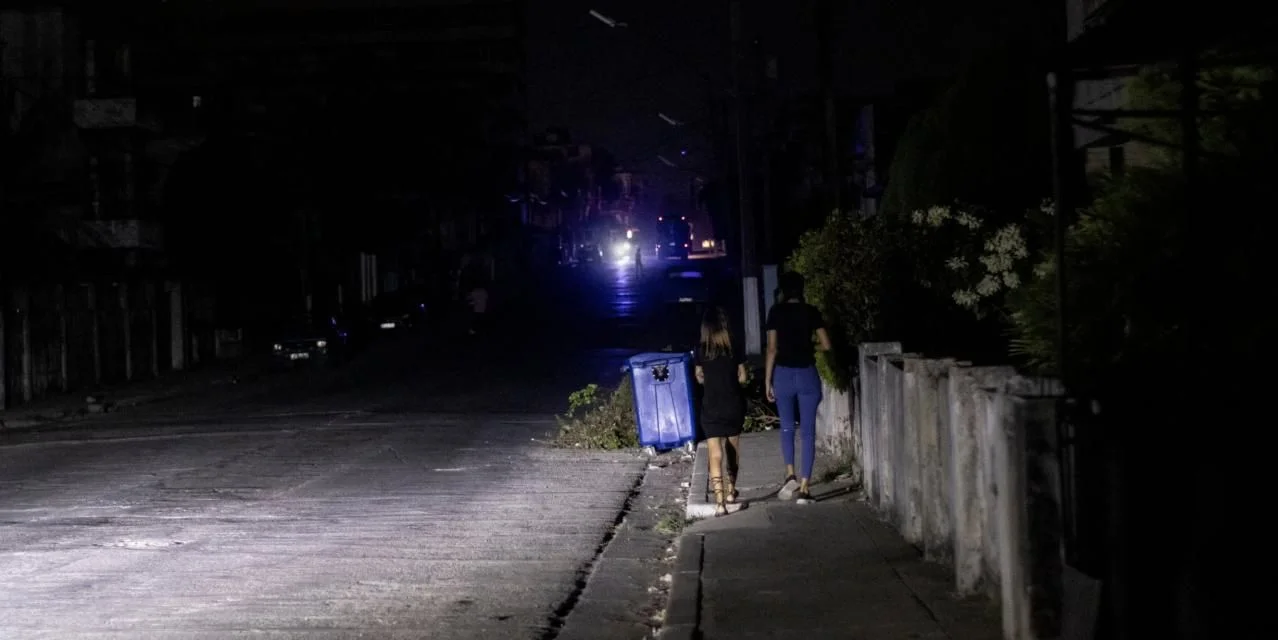
LIMA, Peru – The Electrical Union (UNE) predicted for this Sunday December 7 that simultaneous blackouts will reach close to 61% of the national territory, with a generation deficit close to 1,942 megawatts (MW) during peak consumption hours.
According to the official report published on Facebook, the maximum capacity planned for peak hours is 1,358 MW, compared to an estimated demand of 3,300 MW, which would leave an impact of 2,012 MW on the electrical system. The company points out that six thermoelectric units remain out of service for maintenance or breakdowns, and that dozens of distributed generation engines remain inactive due to lack of fuel and lubricants.
“Normalization of 2,000 MW, a revolutionary strategy, ‘when money is not enough it is because the criminals are in power’ (NB), result, lack of financing to maintain thermoelectric plants and guarantee fuel,” commented a netizen identified as Martin Nava.
“Another achievement of the UNE strategy is the normalization of the more than 2,000 MW deficit,” wrote user Daniel Alfonso Reyes.
“We were all alarmed by a deficit of more than 1,000 until something became normal and now they want to normalize the deficit by more than 2,000,” warned María Elena Izquierdo Jurado, another Internet user.
The crisis, which has already lasted more than five years, hits the eastern provinces hard, where many territories remained without electricity for weeks after Hurricane Melissa hit at the end of last October.
This weekend, after more than six days receiving only about 25 minutes of electricity, residents of the El Marañón neighborhood of Yariguá, in the province of Las Tunas, decided to take to the streets to demand solutions.
A journalist’s report Yosmany Mayeta on Facebook includes images of the protest that took place at night, when the residents of the town went out to the Central Highway playing cauldrons and chanting slogans such as: “Current time! The people respect each other!”
The publication details that the demonstration arose spontaneously among the residents of the neighborhood due to the lack of government responses to the critical energy situation.