More than 860 thousand Cubans lack limited access to the water product of drought, the energy crisis and the fuel shortage in the country.
The provinces of Santiago de Cuba, Holguín and Havana are among the most affected areas, according to the National Institute of Hydraulic Resources, aforementioned by the newspaper Granma.
Antonio Rodríguez, president of that institution, reported that Santiago de Cuba leads the effects with 400 thousand people without regular supply, followed by Holguín (100 thousand) and blind from Ávila (90 thousand), while in Havana 248 thousand residents of municipalities such as Cerro, Centro Habana and Havana Vieja face interruptions.
These, he detailed, are due to electrical failures in the South Basin, the main source of pumping, caused by specific breakdowns in the circuits, not by planned blackouts.
The electric company reactivated 16 pumping equipment since Saturday, but electrical instability delays standardization.
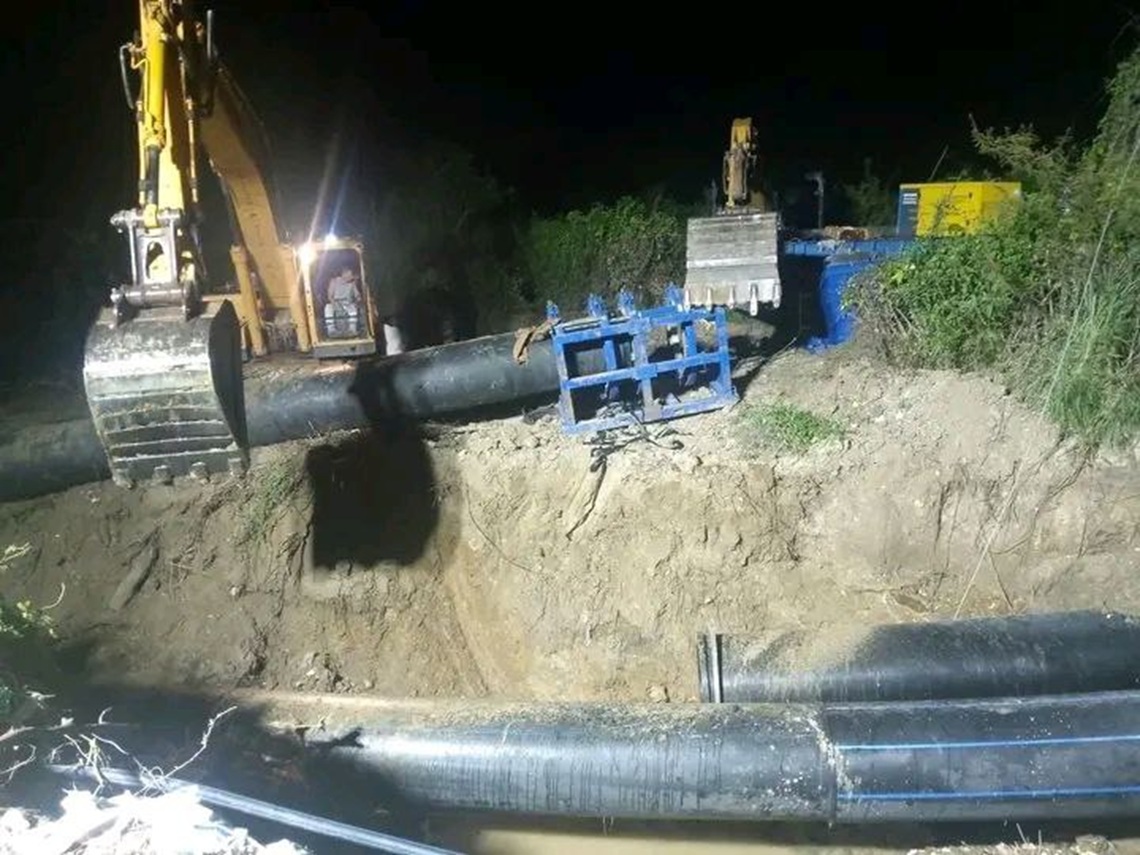
To mitigate the crisis, the INRH invested 3 800 million pesos in 2024 and 3 200 million in 2025 (71 % executed until June) in hydraulic works, including 337 pumping stations, 241 km of supply networks and 64 km of sanitation, benefiting more than 2 million people, the article of Granma.
In rural areas, 792 solar pumping stations have guaranteed drinking water to 445 thousand inhabitants, with 144 additional equipment in installation until reaching 866 in September.
In addition, desalination plants have been rehabilitated in Cayo Largo and Cayo Coco, and polyethylene accessories are produced to sustain the works.
Rodríguez stressed that the lack of fuel limits the use of pipes, while pipe factories face restrictions on energy deficit and difficulties to import raw materials.
10 % of Cubans lack adequate water, according to official figures
Projects such as center-east and north-south transfers advance to improve water safety, although no deadlines are needed to resolve effects.
The Cuban authorities have explained several times that “the instability of the national electroenergetic system prevents protecting the circuits that house the supply equipment.” The energy crisis is reflected in daily blackouts that exceed 20 hours.
When the electric current returns after an electric cut, “the water takes up to three or four hours to return because the systems need to pressure to reach their destination.”
The crisis with water has motivated citizens protests in Havana and other provinces of the country that demand drinking water.