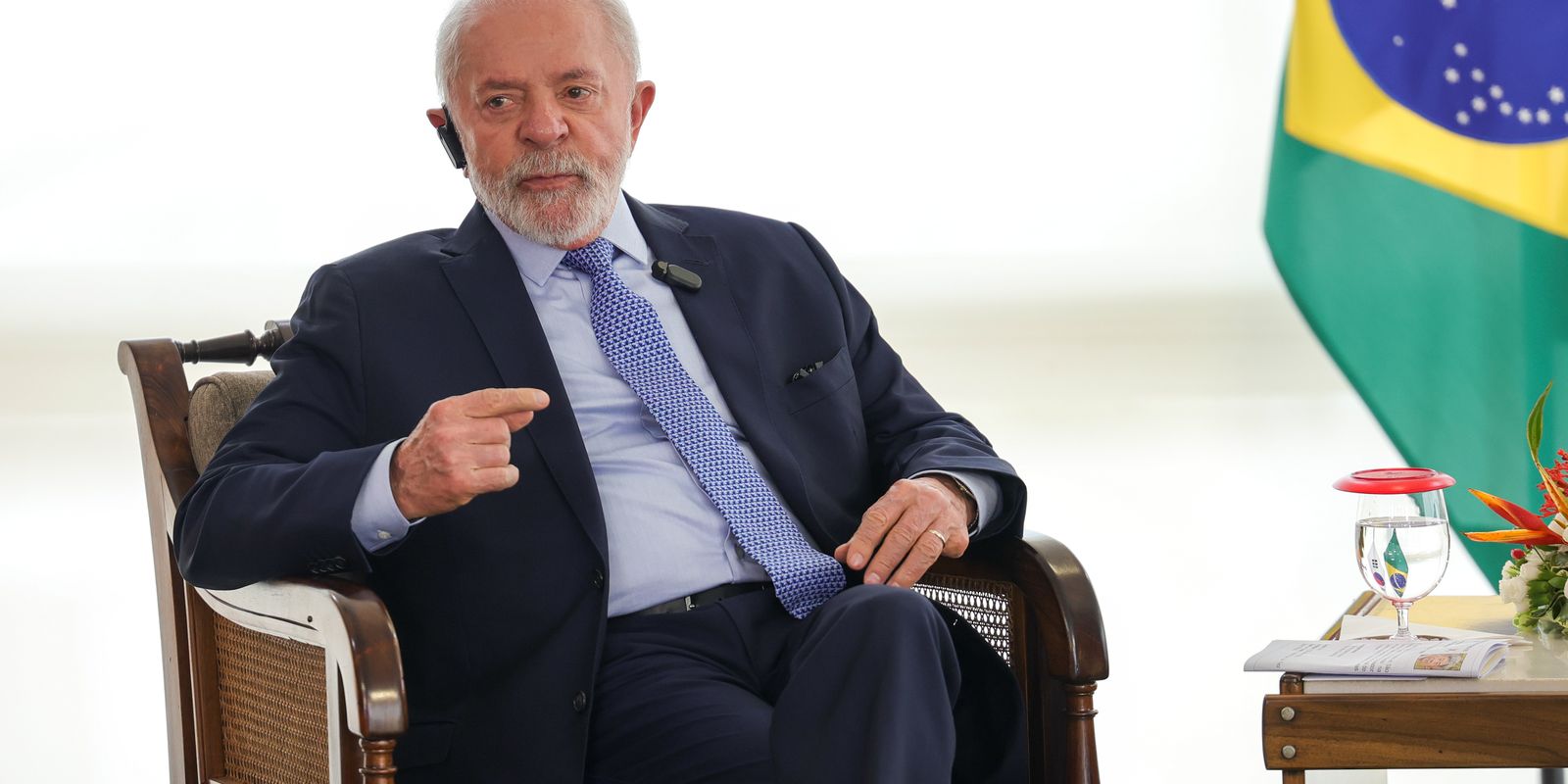
President Luiz Inacio Lula da Silva sanctioned on Friday (11) the bill that creates the Commercial Reciprocity Law, authorizing the Brazilian government to adopt trade measures against countries and blocks that impose unilateral barriers to Brazil’s products in the global market. The information was confirmed by the Planalto Palace. 
The text, which will be published in the Federal Official Gazette (DOU) next Monday (14), was approved by the National Congress about 10 days ago and awaited the presidential sanction to enter into force. There were no vetoes.
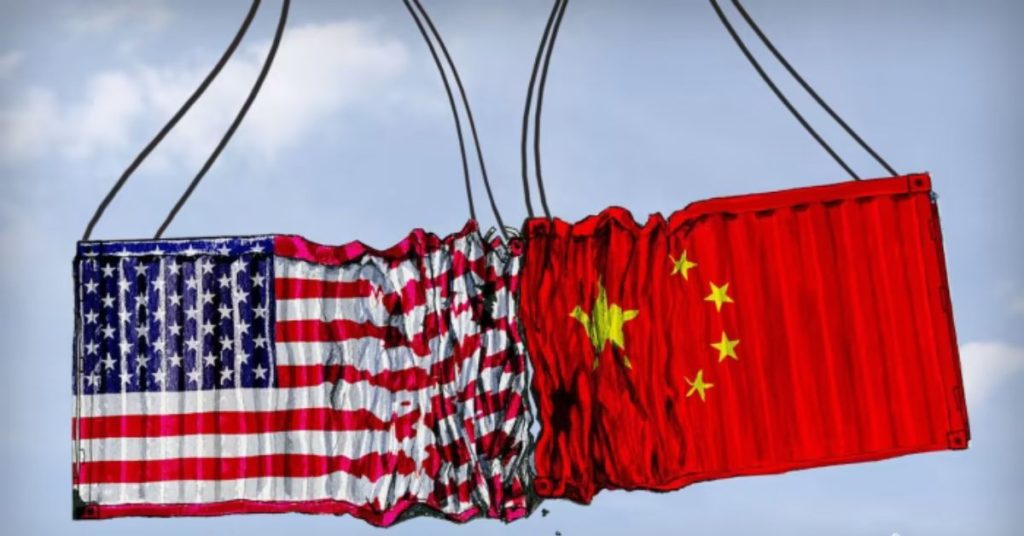
The new law is a response to the climb of the trade war triggered by the president of the United States, Donald Trump, against most countries in the worldbut it has intensified in the last days more specifically against China.
In the case of Brazil, the US tariff was 10% on all products exported to the US market. The exception in this margin of tariffs They are steel and aluminumwhose surcharge imposed by Americans was 25%, significantly affecting Brazilian companies, which constitute the third largest exporters of these metals to the US.
In a speech during the 9th summit of the community of Latin American and Caribbean states (Celac), in Honduras, last Wednesday (9), Lula criticized the adoption of commercial tariffs again. On the same day, he also said that will use all possible forms of negotiationincluding process opening in the World Trade Organization (WTO), to try to reverse tariffs before adopting retaliatory business actions.
New law
The Commercial Reciprocity Law establishes criteria for responses to unilateral actions, policies or practices of the country or economic bloc that “negatively impact Brazilian international competitiveness”. The norm will apply to countries or blocks that “interfere with the legitimate and sovereign choices of Brazil”.
In article 3 of the text of the law, for example, the Strategic Council of the Foreign Trade Chamber (Camex), linked to the Executive, is authorized to “adopt contracted in the form of restriction on imports of goods and services”, also providing for negotiation measures between the parties before any decision.