Enrique Mendez
La Jornada Newspaper
Tuesday, December 16, 2025, p. 7
The new General Water Law and the reform of the National Water Law do not criminalize producers or affect the industry, but they do focus measures against illegal trafficking of the resource and provide for sanctions for those who contaminate aquifers, and include measures for their restoration, explained the secretary of the Environment Commission of the Chamber of Deputies, Jesús Martín Cuanalo Araujo (PVEM).
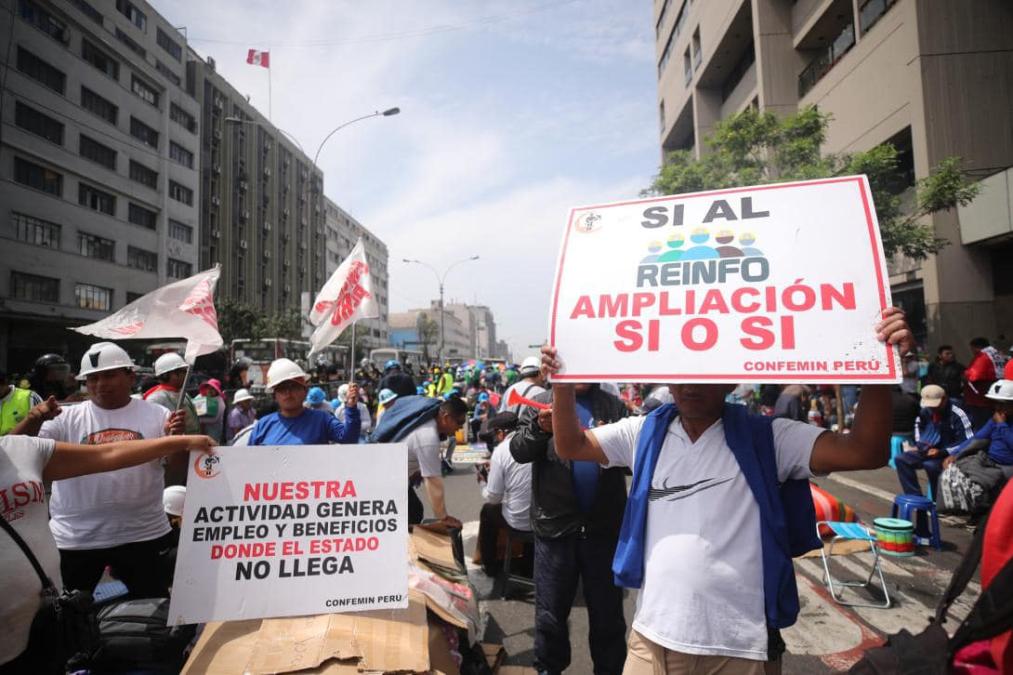
The legislator rejected “the lies” that, he said, are spread by the opposition, in the sense that producers will lose their water concessions; He said that these accusations have even led to “disagreements against the deputies” who voted for both pieces of legislation.
“No one will lose their concession; they will all be reviewed, as they should be, to corroborate that they have a correct use, that it is not illegal, and a public system is planned to know who is the owner of said concession and that no one takes away the water that belongs to others,” he indicated in an interview.
In environmental terms, he indicated, the allocations will be based on care for sustainability. “That is, the legislation monitors the permits, depending on the availability or the level of the conditions and quality of the aquifer of an area,” he explained.
The laws guarantee, first, the right to human consumption, and second, the priority of agri-food production, as well as ensuring the recharge of aquifers. “There are some that are going to burst if we don’t work on recharging them and if we don’t stop those who illegally extract the resource. What we want is for everything to be regularized.”
He stressed that the reform “is not against the countryside or the people; on the contrary, they are given priority; nor is it against the industry or the economy, it is simply about us using water correctly and as a nation learning to be responsible with consumption.”