The 6.3 kilometers of road seek to guarantee the connection between Santa Marta and Barranquilla.
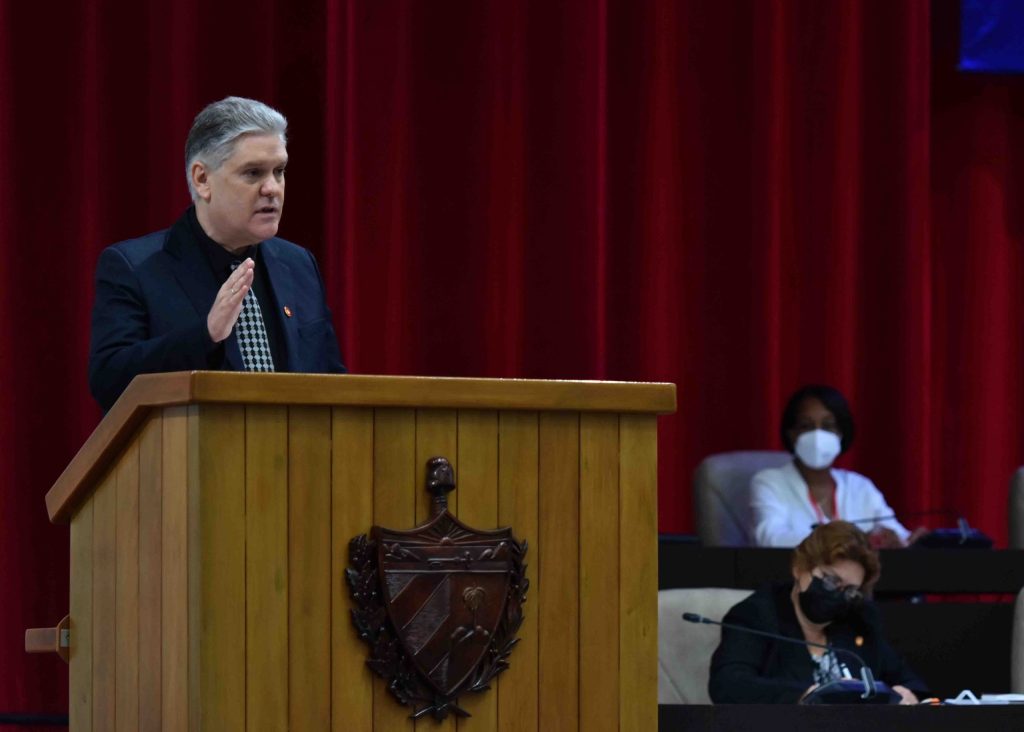
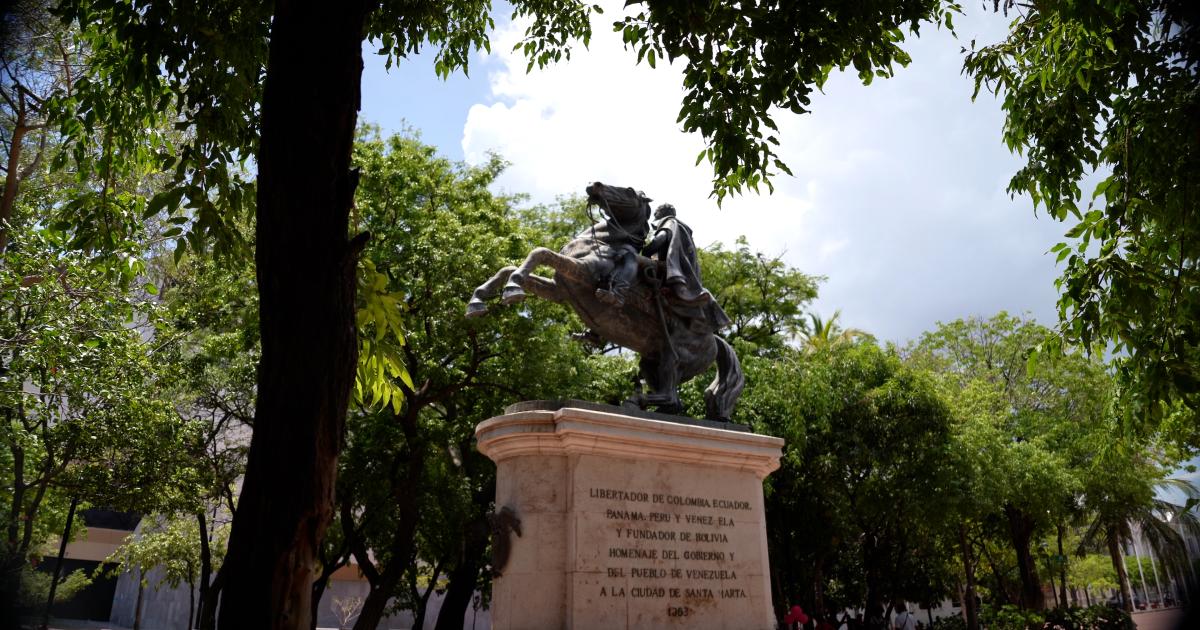
The southern variant of Ciénaga It is already a reality. The president Gustavo Petro inaugurated this Saturday the new 6.3 kilometer road, conceived as an adaptation measure to the climate crisis which, he warned, threatens to disappear the infrastructure built along the Caribbean coast.
The head of state pointed out that the rise of sea level is seriously affecting this point of the Magdalena, where the old road, built decades ago, “caused serious environmental damage by separating the swamp from the sea and causing the death of mangroves in the Isla de Salamanca Park.” Now, he stated, the problem is reversed: “It is not the road that damages the ecosystem, but the sea that will knock down the road.”
Petro maintained that humanity faces “the main problem of its history”: a global change of water cycles associated with the industrial use of coal, oil and gas. “The more emissions into the atmosphere, the more the poles melt and the sea level rises. Something that happens at the polar extremes affects here and all along the coast,” he explained.
A work to save time
The project, which has cost more than 400 billion pesos, was structured since 2016 and is being executed in two stages: the first concluded under the previous government and the second under development under the current administration. “This work is a way to adapt. We are going a little further into the coast to make the road last longer at the service of the families of the Magdalena and the Atlantic,” said the president.
However, he warned that a key component is still missing: the viaducts over the swamp, necessary to allow the flow of water and avoid new environmental impacts. “They will not be done in my government, that’s as far as we’ve come, but they must be done very well so as not to repeat the mistake of the past,” he stressed.
Also read: Two soldiers die in an attack with explosives in Cúcuta
Fishing, poverty and salinization, urgent issues
Petro called on the University of Magdalena to deliver in-depth studies on the effects of sea level rise to guide political decisions. “What will happen to the fishermen? What will happen to the levels of poverty? What will happen to the salinization of rivers and streams?” he questioned, noting that the municipalities of this coastal strip are among those with the greatest social backwardness in the country.
In that sense, he proposed a meeting at the Casa de Nariño with fishermen’s associations and ministers “to study measures to recover the swamp and prevent living standards from continuing to fall.”
The president also recalled other investments made in the region: airport improvements, the start of desalination plant of Santa Marta and similar projects that could guarantee drinking water to coastal towns. “If the sea affects us, it can also offer us solutions,” he said.
You may be interested in: Venezuelan authorities capture a major of the Colombian Army: this is known
Finally, the Government is confident that the delivery of the variant will reduce mobility problems and provide immediate relief to residents and travelers. But the underlying message was different: “Stop the climate crisis It implies a change in the world economic system. While that happens, we must adapt, although it will be more costly every day.”
Source: Integrated Information System