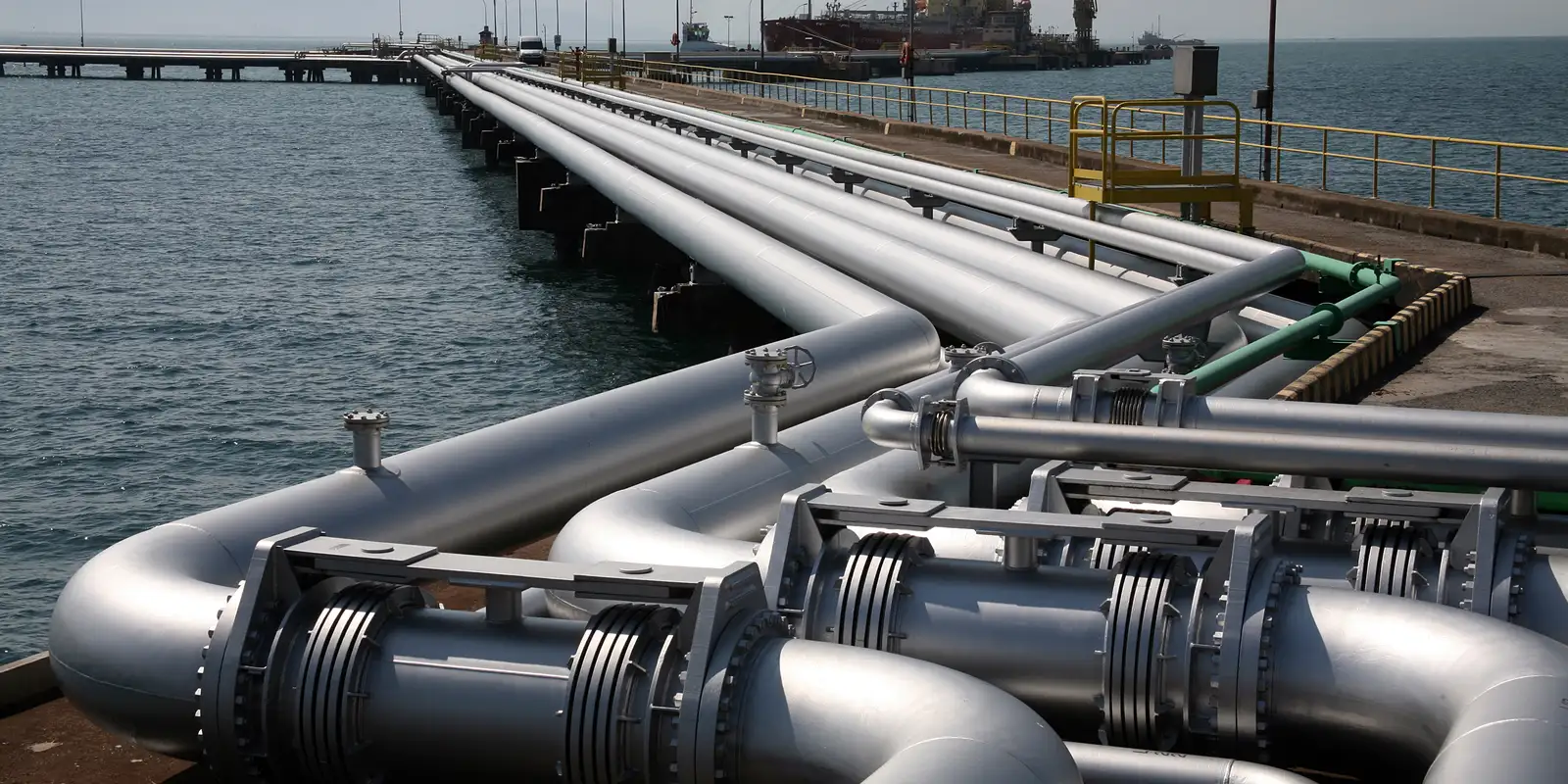
Petrobras and its logistics subsidiary Transpetro will invest R$2.9 billion in five gas tankers, 18 barges and 18 pushers. With the vessels, according to Petrobras, Transpetro’s fleet of gas tankers will increase from six to 14, tripling the current transport capacity of Liquefied Petroleum Gas (LPG) and derivatives. 
The objective is, according to the company, to reduce dependence on charters, providing greater flexibility and efficiency to logistical operations for the movement of LPG and other products.. The new gas tankers will be up to 20% more efficient in energy consumption, will reduce greenhouse gas emissions by 30% and will be able to operate in electrified ports.
According to the company, the barges and pushers mark Transpetro’s entry into inland navigation, that is, in sheltered or partially sheltered waters, such as rivers, lakes, canals, bays and lagoons. With the vessels, Transpetro will have its own fleet to supply strategic hubs such as Belém (PA), Rio de Janeiro (RJ), Santos (SP), Paranaguá (PR) and Rio Grande (RS).
Open Sea Program
The vessels are part of the Open Sea Program, an initiative aimed at renewing and expanding the Petrobras System fleet. The contracts for the construction will be signed this Tuesday (20), in a ceremony in Rio Grande (RS), which will be attended by President Luiz Inácio Lula da Silva.
The Mar Aberto program will have contributions estimated at US$6 billion over the period from 2026 to 2030, around R$32 billion. The initiative foresees the construction of 20 cabotage vessels, in addition to 18 barges and 18 pushers, as well as the chartering of 40 new support vessels intended for renewing the fleet to support exploration and production (E&P) activities.
The vessels whose contracts will be signed this Tuesday will be operated by Transpetro and built in shipyards in three states. In Rio Grande do Sul, the Rio Grande Shipyard will be responsible for the gas tanker work. In Amazonas, the Bertolini Construção Naval da Amazônia shipyard will build the 18 barges. In Santa Catarina, the Indústria Naval Catarinense shipyard will build the 18 pushers.