MADRID, Spain.- The escalation of the energy and fuel supply crisis in Cuba has entered a new phase of profound effects on the daily life of the population, after the ruler Miguel Díaz-Canel will announce a package of measures considered by analysts and citizens as a renewed and improvised version of the “Zero Option”. The plan, discussed in the Council of Ministers and in an extraordinary session of the National Defense Council this Thursday, February 5, will be made public in the coming days, but several related decisions have already begun to affect key sectors of the country, without clear mitigation plans or compensation for the population.
Díaz-Canel focused his recent speech on blaming external factors, especially the United States and what he described as “energy persecution,” and appealed to the “creative resistance” of Cubans, without offering concrete solutions to the fuel shortage or precise schedules to improve electricity supply or transportation.
University of Havana: forced semi-presence and paralysis of activities
One of the clearest signs of the collapse has been the decision of the University of Havana to abruptly transform its operation. In an official publication, the institution reported that, due to the difficulties in entering fuel into the country, it will extend the blended modality to all Higher University Technician courses and programs for at least 30 days, starting this Friday, February 6.
The measure includes the postponement of the activities of the University Congress 2026, the total reorganization of the study programs and the transfer of the teaching process to the EVEA digital platform, under the argument that its use is free. In practice, this means that thousands of students will have to continue their studies from their homes, in a country marked by prolonged blackouts, poor connectivity and little access to technological devices.
the university He also recognized the impossibility of guaranteeing the transfer of scholarship students to their provinces, which is why he announced “differentiated” attention without explaining how food, electricity or transportation for these young people will be sustained. Likewise, he directed the creation of guard groups to protect the facilities, a measure that reveals the partial paralysis of university life and the fear of physical abandonment of the teaching centers.
Far from being a pedagogical solution, the imposed blended presence shows the inability of the State to sustain the basic functioning of higher education, transferring the logistical, energy and technological burden to students and teachers.
Transportation even more affected, suspensions and rationing
The crisis has also hit the interprovincial transportation system even further. In the province of Las Tunas National bus departures to other territories were suspended, a clear sign that there is not enough fuel to maintain basic mobility services.
In Camagüey, reports are circulating that both the transportation and sale of gasoline have been suspended, although this information has not been officially confirmed by any state entity, which shows the lack of transparency of the Government regarding the real scope of these measures.
More blackouts and electrical restrictions on the Isle of Youth
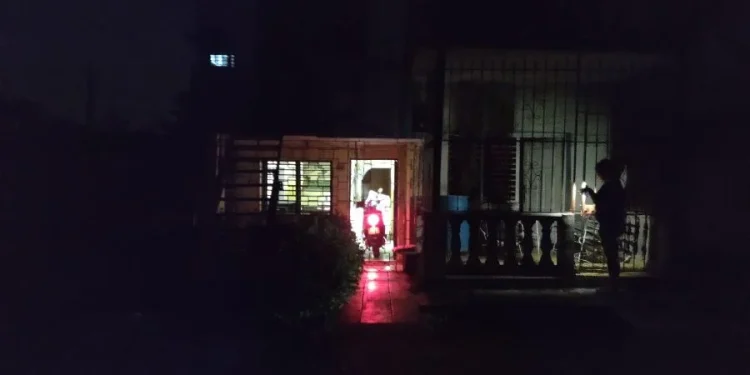
The Electric Company of the Isle of Youth advertisement a new blackout scheme due to lack of fuel for electricity generation, confirming a worsening of the energy crisis in the territory.
According to an official note, the authorities decided to implement a four-hour damage cycle, to which an additional hour is added in all circuits, with a cyclical and rotating nature. The company specified that these measures respond directly to the deficit of available fuel and to guidelines received from higher authorities after the analyzes carried out.
Although the statement indicates that the restrictions “are not permanent,” it also clarifies that their lifting will depend exclusively on the evolution in the availability of fuel for generation, without offering specific deadlines or guarantees of short-term improvement. The effects, adds the entity, will be reported daily through its official channels.
As in other provinces, the solution proposed by the authorities once again focuses on the call for the “rational and conscious use” of electricity, in a context in which prolonged blackouts directly impact food conservation, rest, cooking and domestic life in general.
Collapse scenario without real solutions
The decisions announced and applied so far reflect an improvised management of a crisis that has escalated to unprecedented levels in the recent history of Cuba. The regime’s appeal to slogans such as “we have air, we have water, we have sun, we have biomass” as supposed energy solutions – without explaining how these resources will translate into tangible improvements for blackouts and supply – has been met with skepticism and frustration by the population.
The sum of educational suspensions, the interruption of transportation services and the deepening of blackouts shows the Government’s inability to maintain the basic functioning of the country in the midst of the fuel crisis, in a context in which Cuban generations have experienced prolonged power cuts for years and a continuous deterioration of essential public services.