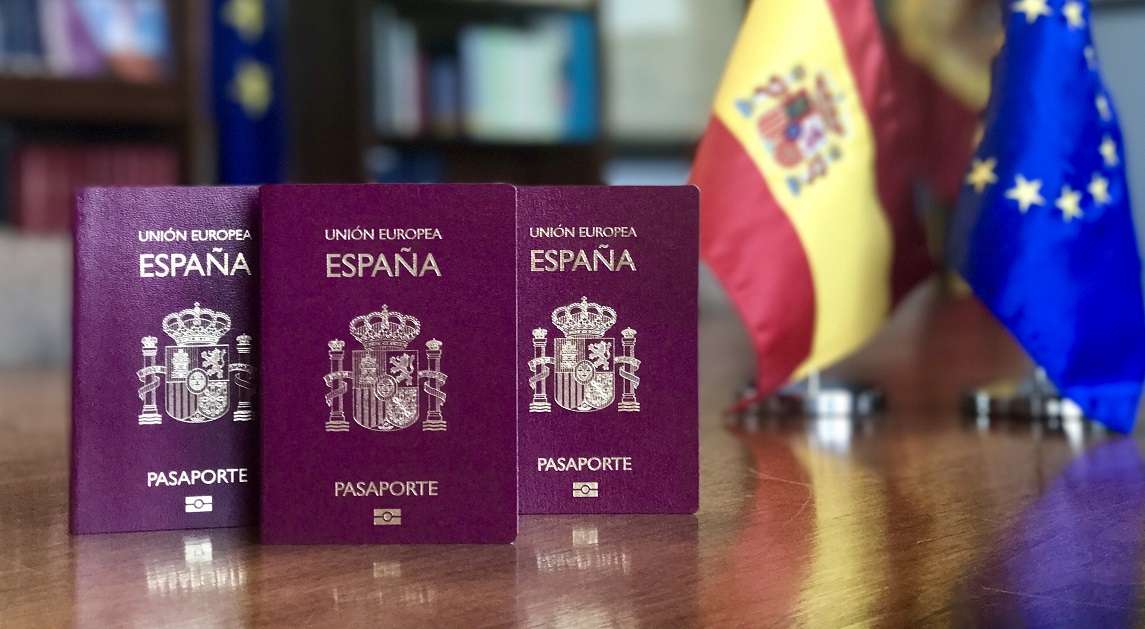
The consulate of Spain In Havana, the new telematic system for receiving appointment for those interested in opting for Spanish citizenship through the Democratic Memory Law was launched on July 31.
In a Bulletin on its official websitethe Consulate announced the operation of the new digital method and the definitive closure of the previous system by which such requests were made since the beginning of the law in October 2022.
The new form can be accessed through the website itself. It allows a faster process and the virtual presentation of less documents than in the previous route, according to what is explained in this regard in social networks, where doubts are also beginning to be published about their operation and difficulties in the newly established system.
Among other differences with the previous mechanism, the new one allows the sending of more than one application using the same email and generates a shelter with an electronic signature (CSV), a unique code that identifies the electronic document and allows to verify its authenticity.
This shelter is received instantly by the user once their application is sent and can also be downloaded in PDF format on the platform itself at the end of the process.
Today the new appointment application system for Spanish nationality has been launched under the protection of the LMD
+ ℹ️: https://t.co/vo8xh4f3py
– Consplahabana (@Consplahabana) July 31, 2025
The presentation note of the new method explains that “the appointment requests submitted and validated through this new Telematics platform, within the term of the Democratic Memory Law, will allow interested persons to appear personally before this general consulate to submit their application on a date that can be after October 22, 2025”.
This provides peace of mind to the candidates for Spanish citizens who were not clear that it would happen with their cases if they had not obtained an appointment before the official end of the law.
The consular publication also clarifies that the credentials (user and password to reserve an appointment) will continue to receive the chronological order of the request for appointment of both systems and that those who have made the application for the previous system should not repeat their request on the new platform.
About 300 thousand Cubans already requested Spanish nationality thanks to the Democratic Memory Law
Two months of uncertainty
Many Cubans have been waiting for more than two months due to the entry into operation of this new system that promises to speed up a process that has so far been a long and tortuous path. Numerous people complain to keep waiting for a long time for their credentials or, even, having suffered failures of the previous system when skipping applications dates.
The Consulate announced since November 2024, through an instruction published in the Official State Gazette (BOE) Migration to telematic systems that allow “consular offices, main receivers of the documentation, manage in a more agile and guarantee way the requests for nationality by option that are carried out.”
On May 21 it was announced that the new system, already in operation in other consulates such as Miami, would be enabled for Cuba and that on June 23 all users of the previous system would be eliminated, including those who had already received their credentials, but would not have reserved their appointment.
In mid -July, before the complaints and concerns of the interested parties, the Consulate had explained that the new platform was coordinating from Spain and would come into operation when it was possible to guarantee its correct operation. Meanwhile, he said then, people could continue to send their requests by the previous system, although this was not generating an immediate shelter.
Finally, the implementation of the new mechanism extended so far, which together with other irregularities and questions has promoted A petition on the platform Change.org For “the extension and effective extension of Law 20/2022, of Democratic Memory, together with the urgent approach of the recent administrative failures that hinder their practical application.”