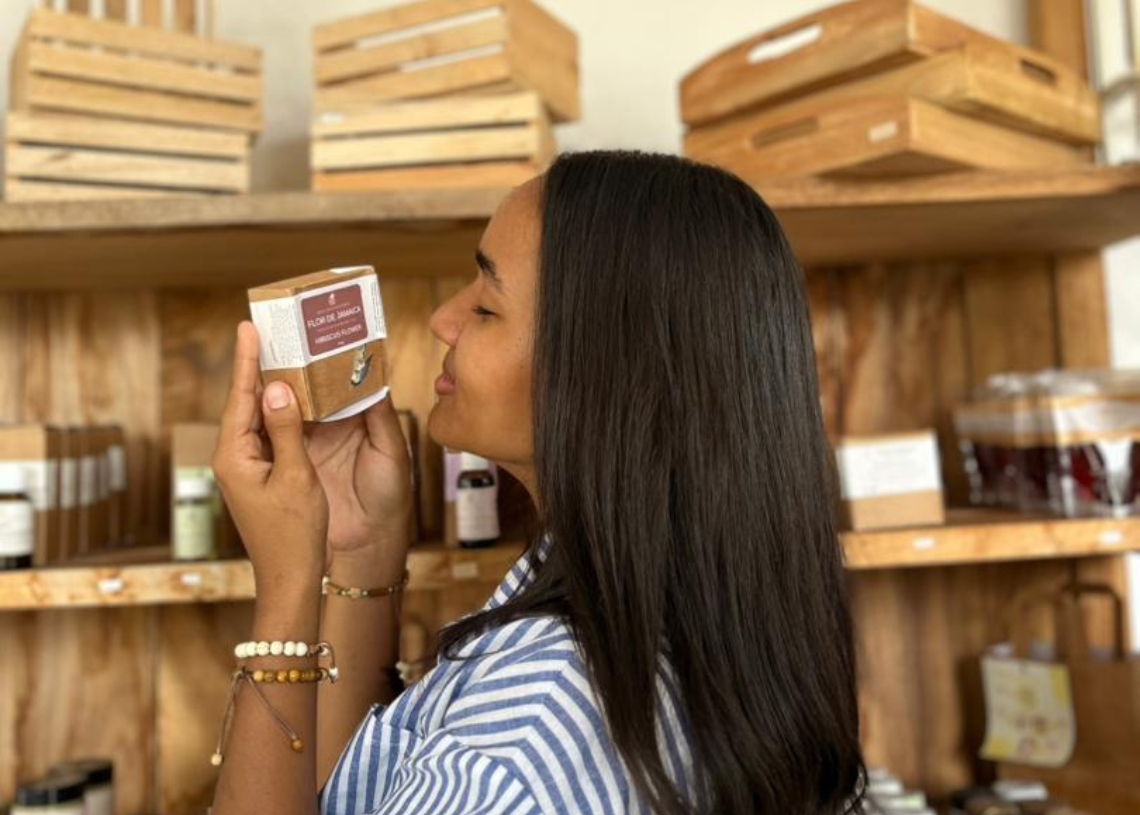
Ana García, Erlys Pennycook Ramos and Sheila Beatriz Núñez share the same passion. From their hands formulas are born from plants, flower extracts, essential oils and minerals that are then transformed into cosmetics. The need, the circumstances and the skills that each one had to undertake in the natural beauty sector have been responsible for this convergence, although their ways of facing the challenges have marked some differences in their individual trajectories.
In a market that is increasingly betting on synthetics and mass production, these three Cuban businesswomen put their efforts into artisanal products that benefit health and protect the environment while becoming utilitarian for those who consume them.
These ventures are a result of the economic resilience forced by the COVID-19 pandemic. In this context, many Cuban women were left without jobs. Some of them sought new means of livelihood and found in natural cosmetics a path to economic independence and self-realization.
“During the pandemic, my husband decided to convert areas of the house into gardens, with a variety of medicinal, aromatic and edible plants. Thus the idea of creating cosmetic products from them was born.” This is how in March 2021, in Santiago de Cuba, “The green leafa personal care venture that, according to Sheila Beatriz Núñez Castro, opened new paths for her in a demanding market. “Success and acceptance come from knowing how to take advantage of circumstances where there was nothing and suddenly a unique, quality product appears,” he says.
At the same time, in Holguín ““True”which Ana García Ramos—also a poet—initially took on as a hobby until it grew and became an enterprise. “You have to study; it is difficult to get and keep suppliers, but it is beautiful because I have learned and taught a lot,” he told OnCuba.
In her statuses on social networks, Ana shared the alchemical processes that led her to obtain something wonderful after several tests and formulas. Via WhatsApp you could review their products in the catalog and place orders, at a time when these were beginning to be scarce. In manufactured paper bags, along with a book (almost always poetry), the wonder of True.
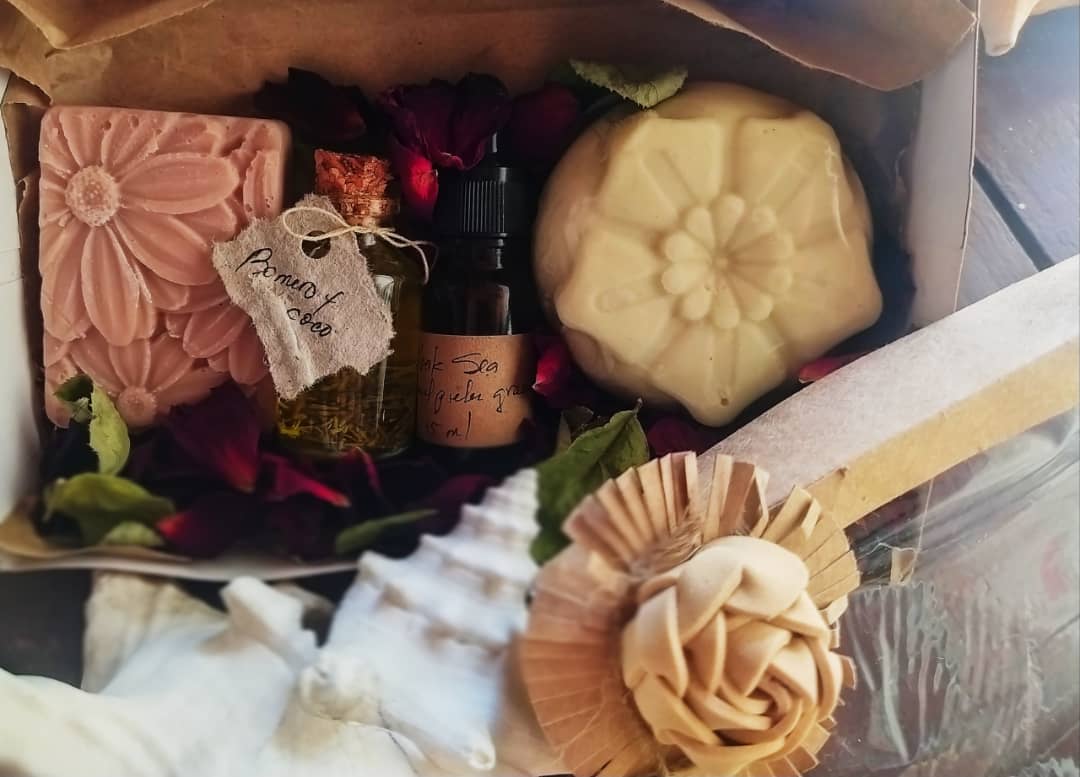
On the other hand, the experience that led Erlys Pennycook Ramos to artisanal natural cosmetics was different. In his childhood, his curly afro hair went through countless vicissitudes and many treatments caused alopecia. As an adult, she lived for 11 years in Italy, where she studied natural cosmetics and learned how to apply it to her hair. However, upon returning to Cuba he thought that putting into practice everything he had learned would not make much sense, because the tropical flora was not the same. She arrived on the island carrying the “hairpieces” that she used for 16 years and that damaged her hair, while she felt the need to leave them behind.
“I started experimenting at home using flowers from the garden. I expanded with organoponic plants and invented the first formula, which turned out quite well on my hair.” In a country where many women prefer extensions, wigs and straightening, Erlys found it difficult for her project to prosper.
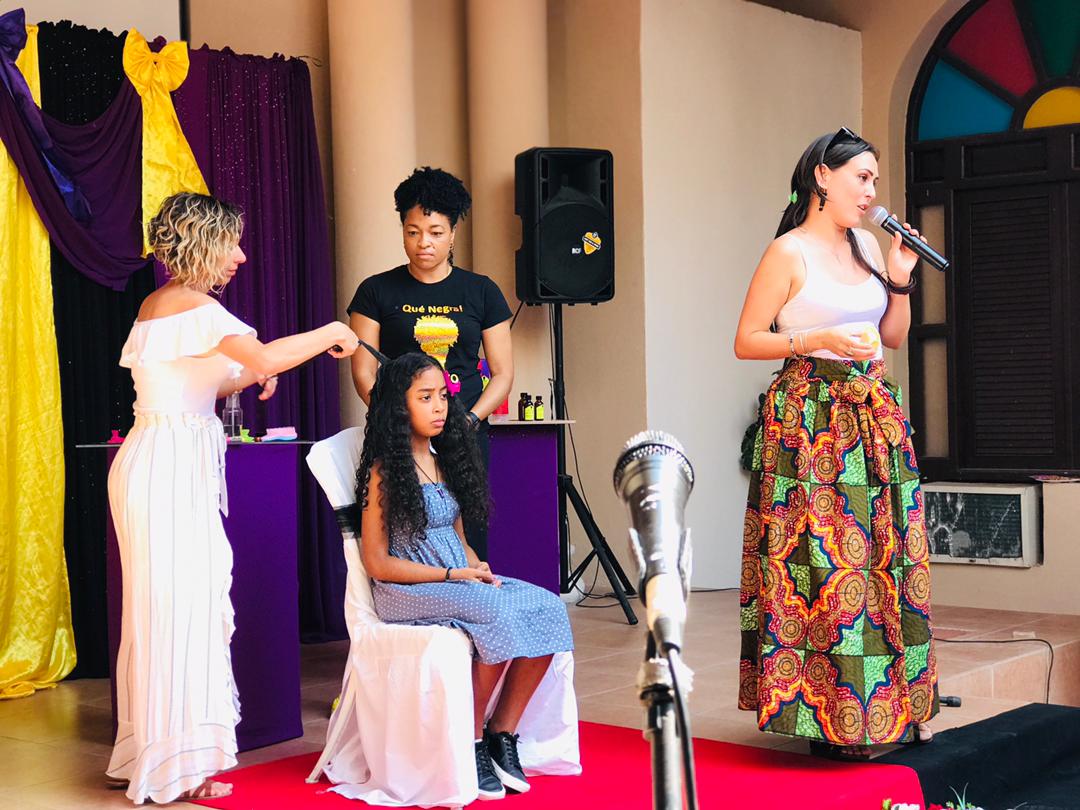
“I set out to provide this formula to low-income people. Seeing that many of the products used were expensive, I decided to turn it into a sustainable venture: this is where ‘How Black!’ in 2018”, in Ciego de Ávila, as the first Cuban brand dedicated solely and exclusively to the care of afro curly hair.
Bet on the culture of well-being in today’s Cuba
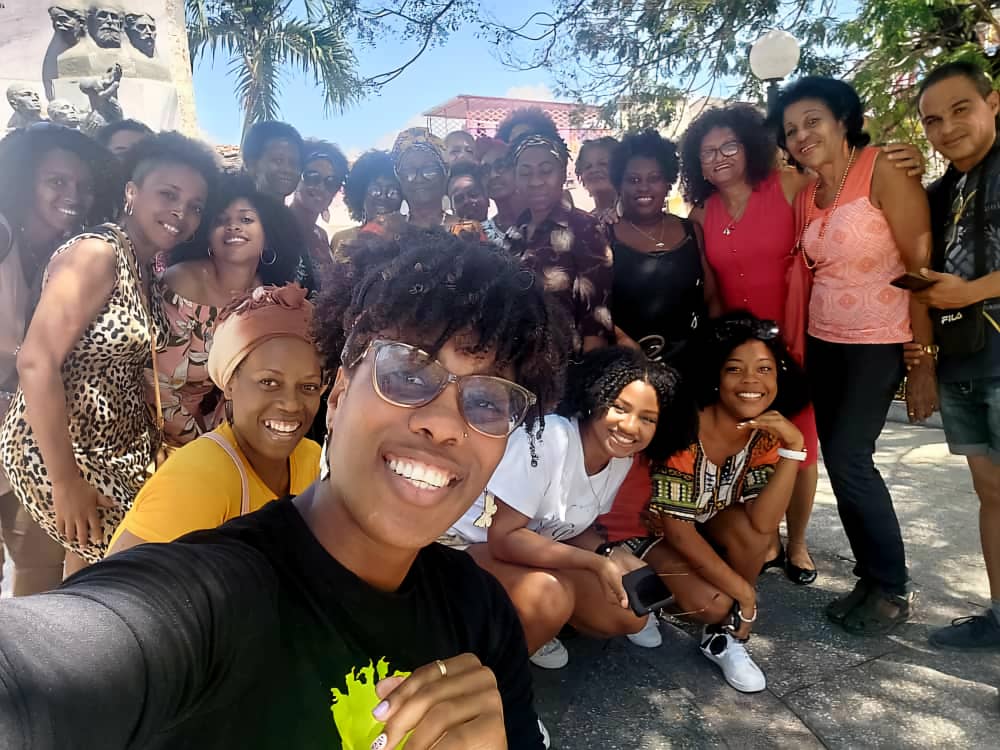
Artisanal natural cosmetics has become a growing sector on the island, mainly carried out by women seeking alliances with each other. They share challenges, markets and needs for access to raw materials and inputs, while trying to build a portfolio of suppliers and acquire imported products. At the moment, about 200 initiatives are interconnected in this field.
These projects try to grow while overcoming difficulties in accessing financing, broader production schemes or legal and financial support networks, in addition to technological deficiencies and legal and institutional obstacles. The country also does not have a center that certifies artisanal natural cosmetics or specific regulations for their production and marketing.
Maintaining a venture of this type in the east of the country poses constant challenges, Sheila emphasizes, since access to fundamental resources to establish a serious business is difficult. The distance from Havana also influences, where the main events that could provide information and experiences for your project take place.
“In Santiago there is no market for the marketing of cosmetic supplies, so we prefer not to take risks and buy raw materials elsewhere. All this translates into more money and time to achieve our goal,” he says.
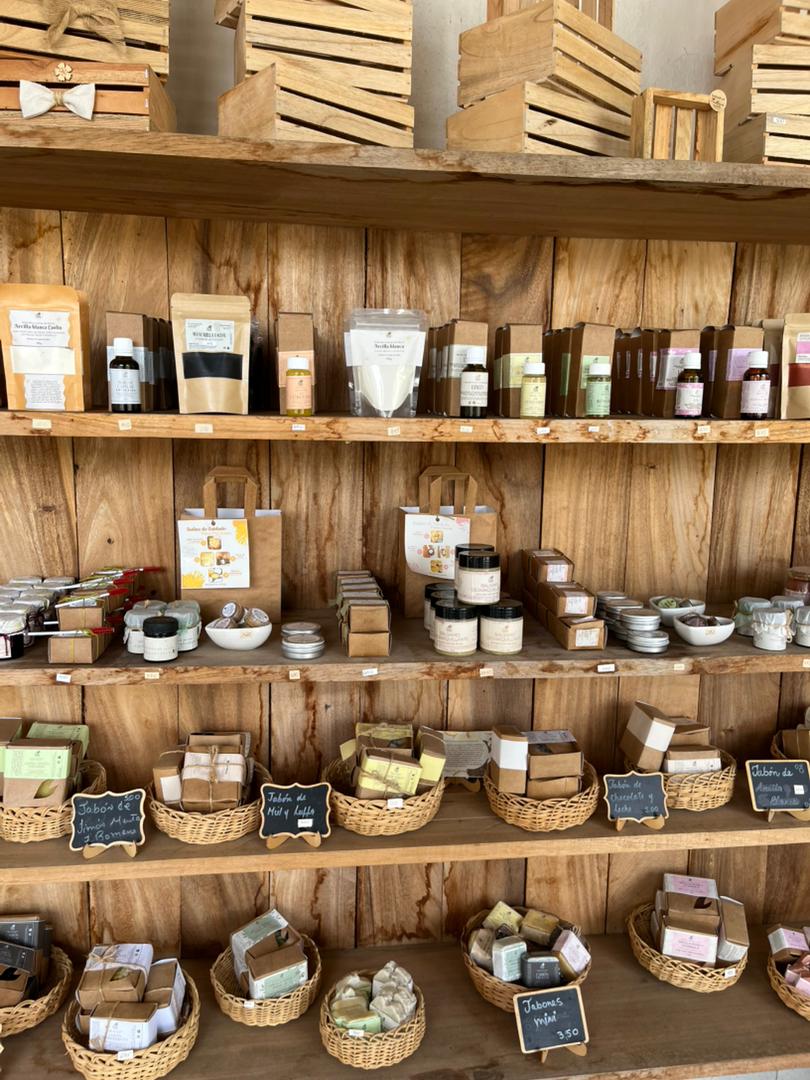
Buying packaging for products is difficult, Sheila, Ana and Erlys agree. When Sheila achieved some financial stability, she began purchasing materials in the United States, such as essential and vegetable oils, fragrances, bottles and molds; This increases production costs, but guarantees the quality of the service and its permanence in the market. Although they use national inputs such as coconut oil, cocoa butter, beeswax or honey, most of the plants come from their garden and are totally organic.
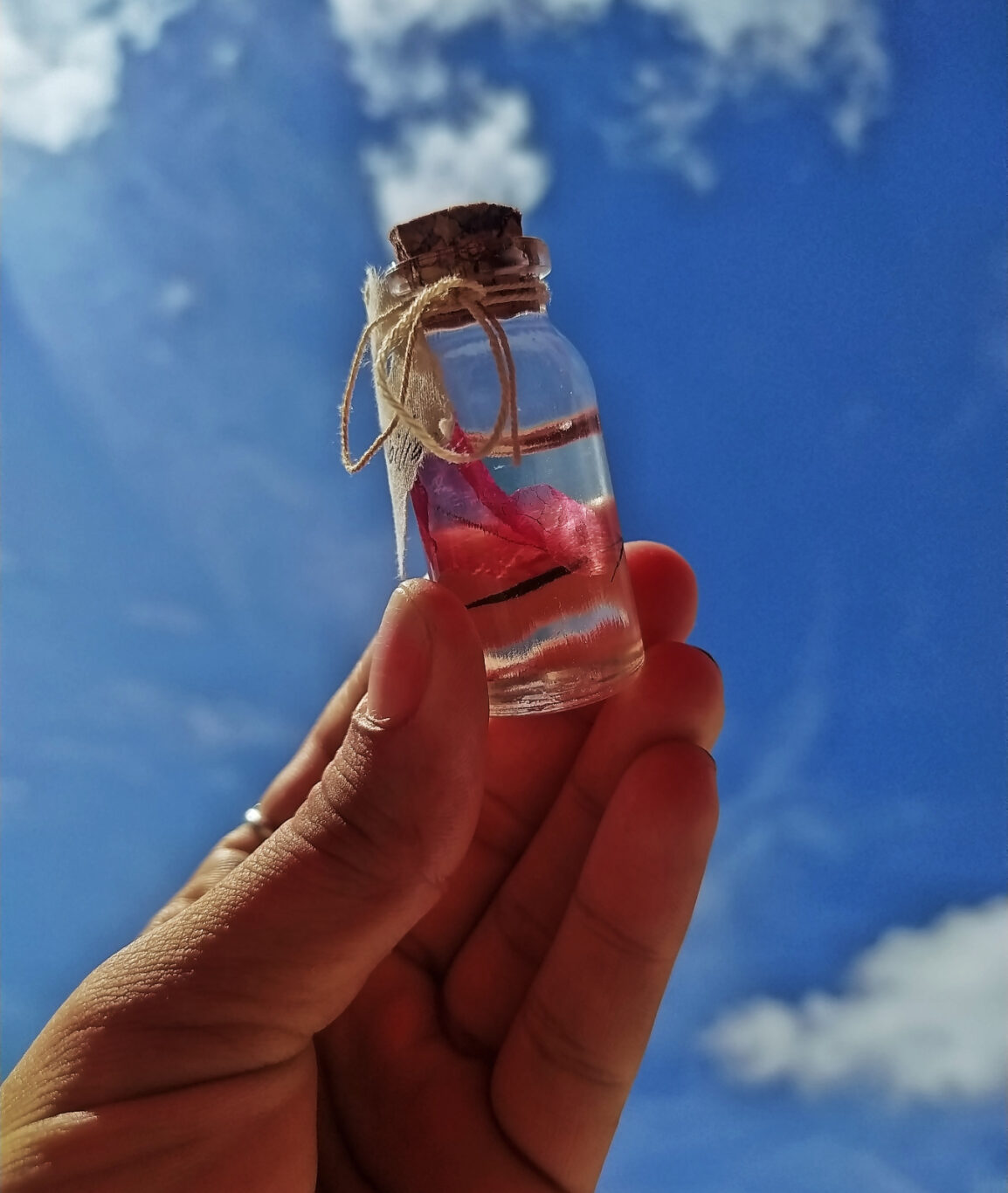
For her part, Ana decided to settle in Havana a few years ago. There he continues with True, between the challenges of a fluctuating economy and their desire to sustain the project. It seeks alliances with private suppliers, local farmers and relies on “a lot of imagination and perseverance.”
“Keeping anything functional in this country is a challenge, but with effort I have achieved consistency. I try to make my business organic and that suppliers follow sustainable and responsible practices; on the other hand, 80% of the packaging I use is recycled,” he insists.
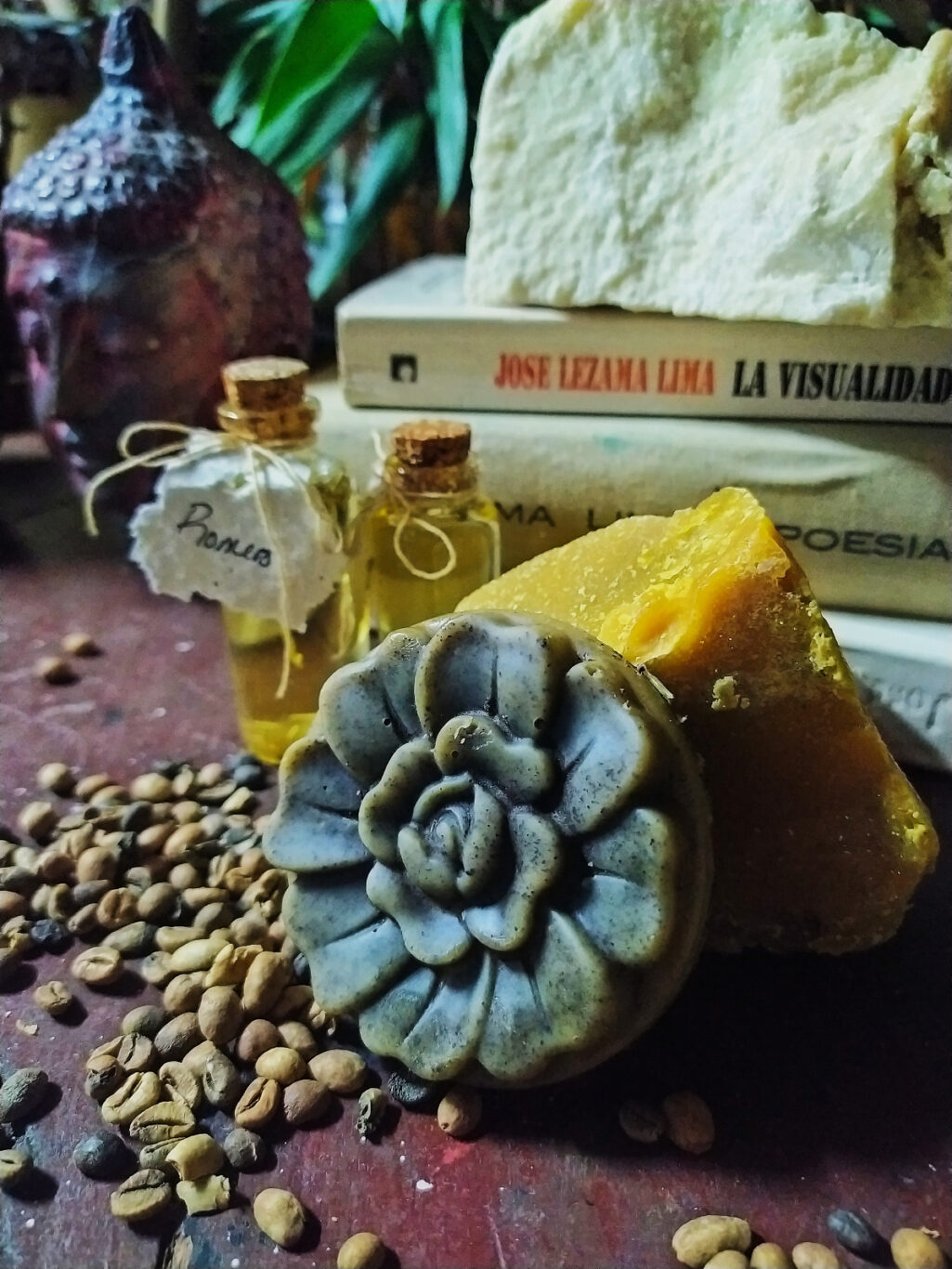
“Our suppliers are 100% from the private sector. We have no alliance or collaboration with state companies,” emphasizes Erlys. He comments that part of his stability is due to the fact that his suppliers are still in the country: “We have been able to survive thanks to that; we are loyal customers and they prioritize us over others, because we have been cultivating this trust for years and we provide payment guarantees.”
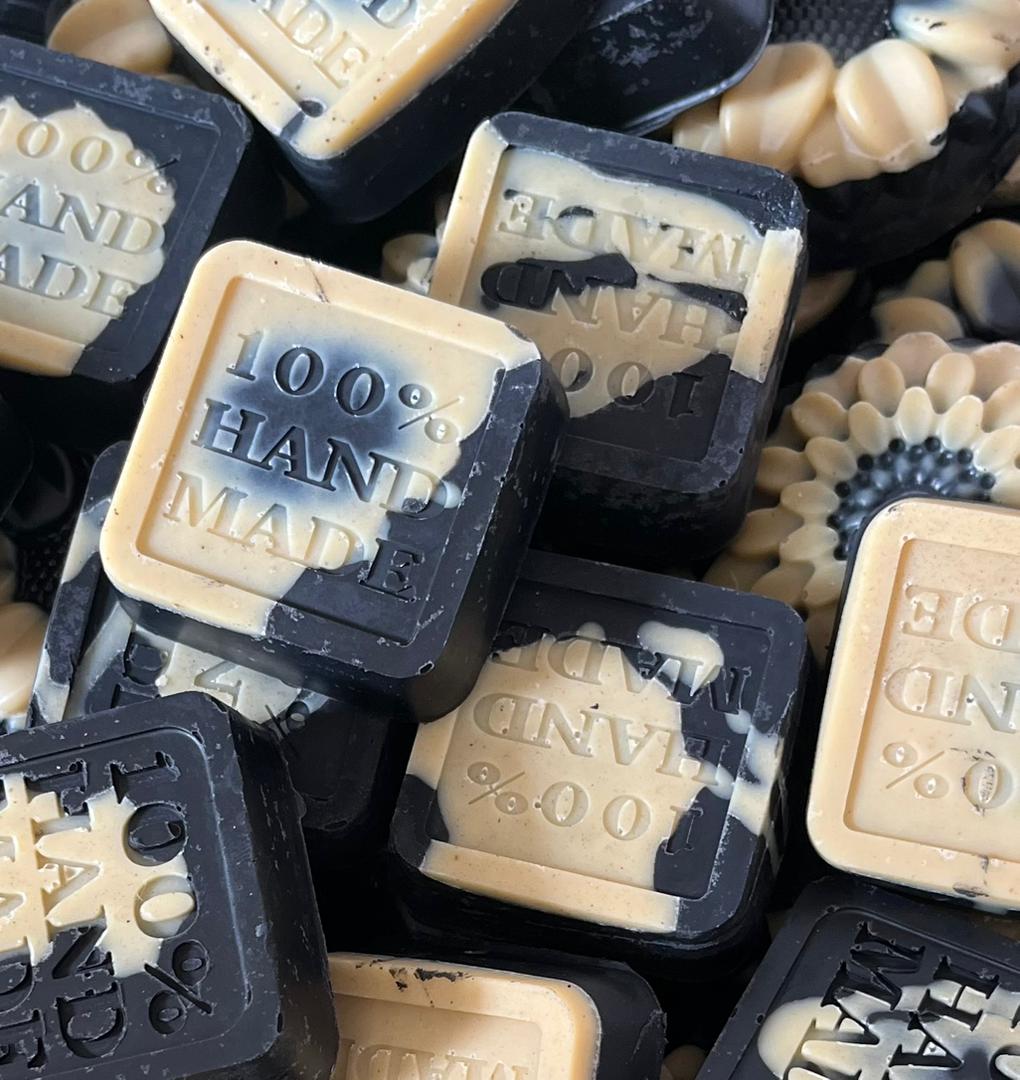
How to offer a functional portfolio of services for the Cuban public?
“The green leaf” It has more than 120 products between natural cosmetics and crafts: soaps, balms, serums, masks and candles. Sheila explains that her line is based on principles of Ayurveda philosophy, which promotes the use of plants, flowers, oils, honey and other elements for personal care.
“We offer our clients products of optimal quality in terms of formulations. It is important to know the needs of the environment and the public in order to satisfy them. Being clear about what has worked for us and what does not allow us to perfect the products we design and sell,” he adds.
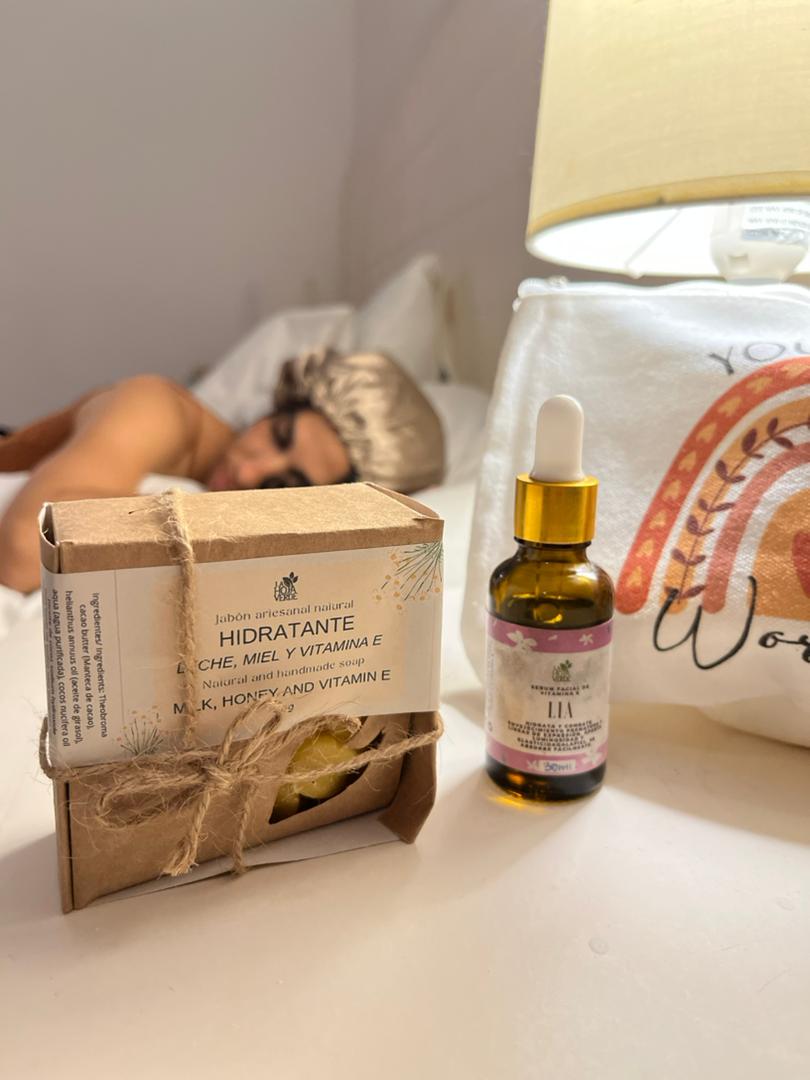
The venture has two fundamental premises: produce and market in a welcoming space, under conditions of kindness, transparency and respect; and connect with the community through effective communication activity. “The store is a small oasis in the hustle and bustle of a bustling, hot city like Santiago. We create an extraordinary amount of content on social media to reach the community and customers,” says Sheila. Furthermore, they are clear that developing a transparent sales strategy must be part of the business values.
The proposal of Verda, for her part, It brings together 70 products: soaps, natural oils, hair waxes, aromatic candles and pomades. They are all “made manually without preservatives, emulsifiers or artificial fragrances,” Ana points out. The base of their cosmetics includes beeswax, cocoa butter, beef tallow and coconut oil. Through her business she also educates her clientele about the importance of choosing natural and sustainable products.
Already in How black! The products must have at least two functions, explains Erlys: “We cannot have a product for everything, because we know that the purchasing power of Cubans is lower.” For this reason, its sample includes only six multifunctional products, in addition to specialized services in several provinces. Among the most requested are hair creams and gels.
Personal care in feminine territory
These three entrepreneurs of artisanal natural cosmetics in Cuba move between the passion for the local and the barriers of an economic environment that still does not fully recognize their value. Between certain misgivings, the scarcity of inputs and a diffuse legal framework for entrepreneurship in this sector, these women build a business model oriented towards sustainability and empowerment.
In The Green LeafSheila is in charge, but three other women collaborate with her. “I believe that the feminine spirit can transform the economy of our town. More and more women are entering this path; we must ally ourselves, because an integrated community can facilitate many processes.”
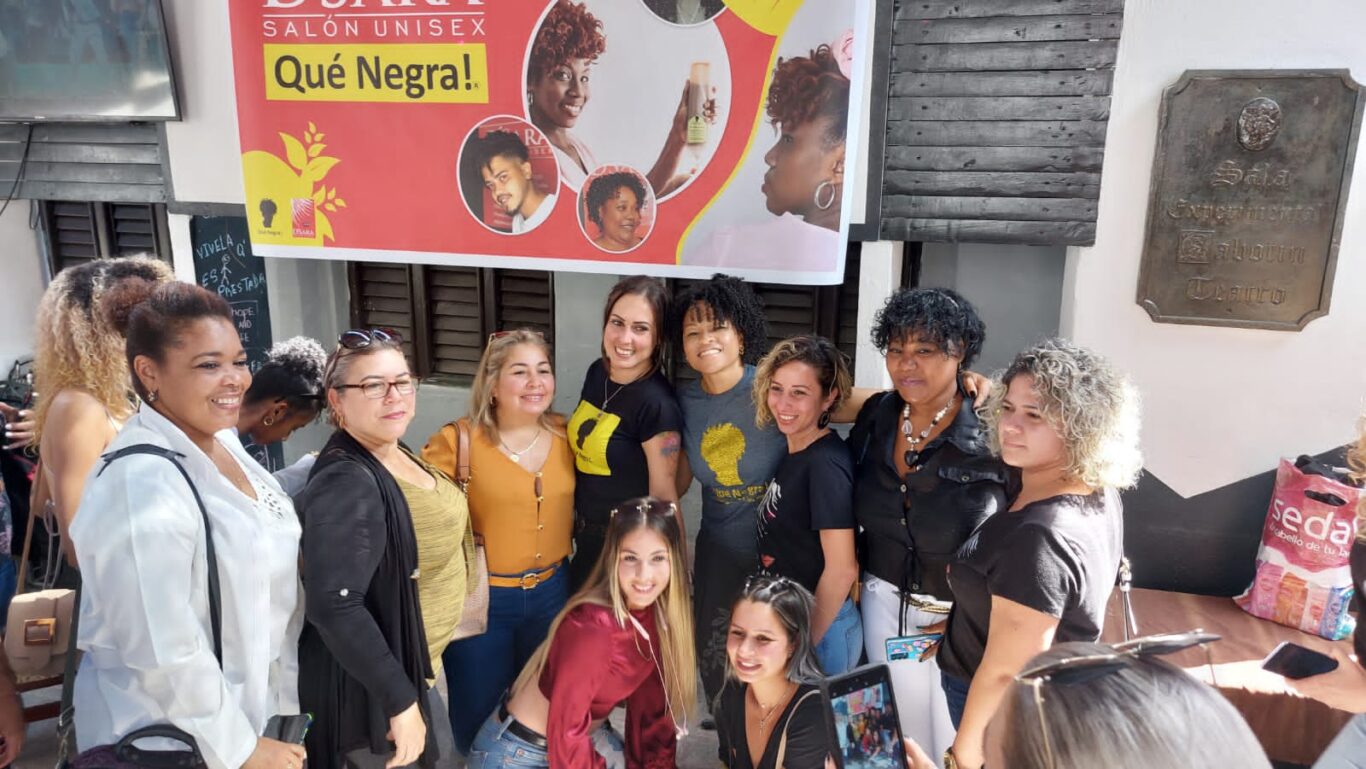
Erlys also runs a group that is committed to personal care: “In the last decade, women have taken the reins of cosmetics and this has allowed the number of formulators who are good at what they do to grow.”
“Many of us have found in natural cosmetics a space to develop our own businesses, due to the possibility of working from small workshops or under cooperative and micro-business formats,” Ana highlights.
Although there are still many ways to go, from 2022, in alliance with institutions and ventures, the Eco Rizos MSME, directed by María Carla Figuerola, organizes the Artisan Natural Cosmetics Meeting – already with three editions – and co-manages the Workshop “Introduction to Natural Cosmetics and Ayurveda”together with professors from the Cuban Society of Cosmetic Sciences of the University of Havana. These meetings bring together entrepreneurs with the purpose of socializing processes that are committed to the value chain, gender equality and environmental responsibility.
“I owe it to my people, because Cuba is the place where How black! arose. Here I had the support of many people, after several doors slammed in the face. I have participated in events, conferences and I have traveled throughout Cuba with and through How black! I cannot leave all those people behind, nor abandon my team and that entire community that with a lot of sacrifice we managed to create,” emphasizes Erlys.
Sheila sums it up like this: “We emerged in the middle of the pandemic: there was no soap or medicine; we were born out of necessity, but we discovered that we contribute much more. We have created a community of clients from which we feed off. It is not only about making a quality product that improves the complexion or hydrates the hair, but about generating an impact on lifestyle and culture. Our purpose is to make people a little happier.”