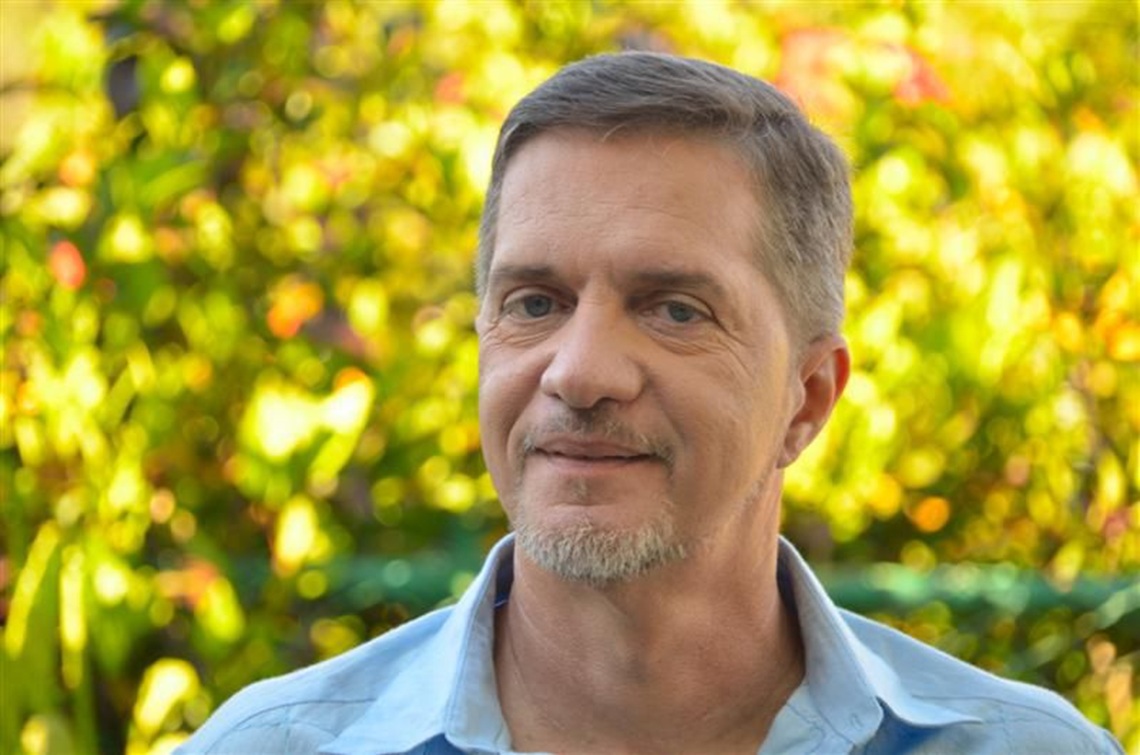
The Cuban actor Fernando Hechavarría Gibert was awarded this Monday with the 2026 National Theater Award, the country’s highest recognition in this event, in recognition of a career of more than 50 years in the performing arts, audiovisual and actor training.
The jury adopted the decision unanimously and highlighted the sustained impact of the performer on the development of contemporary Cuban theater, as reported by the National Council of the Performing Arts in Facebook.
Born in Holguín and graduated in 1976 from the National School of Performing Arts in Havana, Hechavarría was a member of the Teatro Escambray group for almost two decades.
Since 1995 he has been part of the Teatro El Público company, where he has participated in reference productions within the capital scene.
His career includes presence in more than 36 plays, 31 films and 44 television productions, in addition to his participation in 27 national and international festivals and in co-production projects that have contributed to the projection of Cuban talent outside the country.
Currently, he combines his artistic work with teaching as an acting professor at the University of the Arts (ISA) and at the Corina Mestre National Theater School, where he works on training new generations of performers.
In an interview granted to OnCuba In 2024, Hechavarría reviewed key moments of his artistic training and his connection with Havana, a city where he arrived as a student. “It was a double discovery: the big city and its cultural world,” he recalled about his arrival at the National School of Art.
Fernando Hechavarría: “I love that direct contact with the spectator that only theater offers”
The actor valued his stay for almost two decades at Teatro Escambray as decisive, an experience that defined his professional ethics. “I arrived for two years of social service and stayed for twenty. It gave me a lot technically, culturally and ethically,” he said, referring to the group as “a second and great school.”
Regarding his work with Teatro El Público, Hechavarría stressed its artistic and symbolic importance: “It is my most precious means of feedback with today’s Cuba, and the ideal mode of expression as an artist and as a Cuban.” Among his most relevant montages he mentioned King Lear, Caligula, The seagull and The bitter tears of Petra Von Kant.
Although he recognized the visibility that television has given him, the performer reaffirmed his attachment to the stage: “I definitely value the vibration of the audience a lot… the theater offers you the continuity of representing from beginning to end, making each performance something unique and unrepeatable.”
In his teaching role, which he has been practicing for more than two decades, he highlighted ethical commitment as the central axis: “It is not enough to know the subject; it is vital to lead by example and encourage the individual growth of each budding artist,” he said, defending a teaching based on accompaniment and creative self-knowledge.