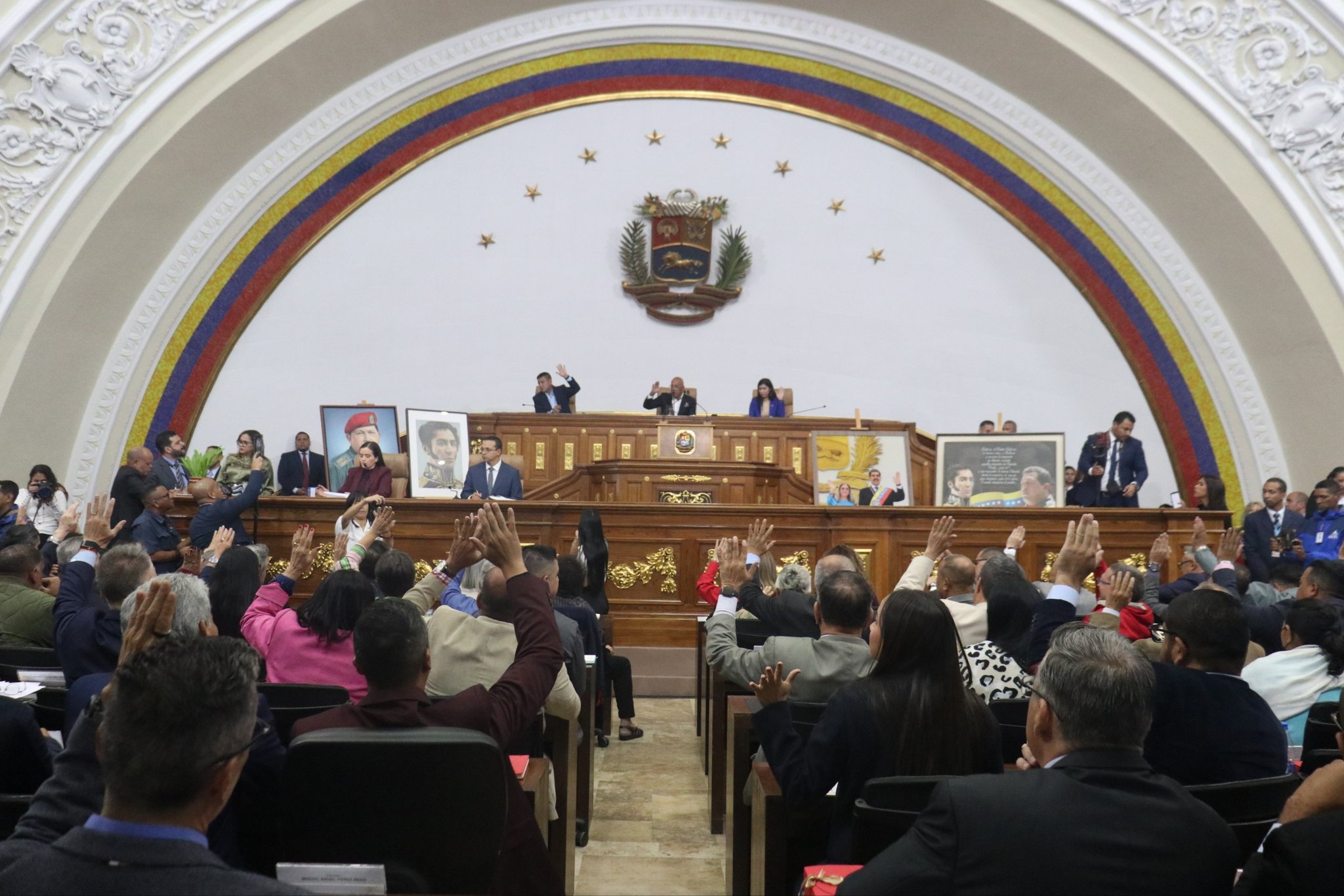
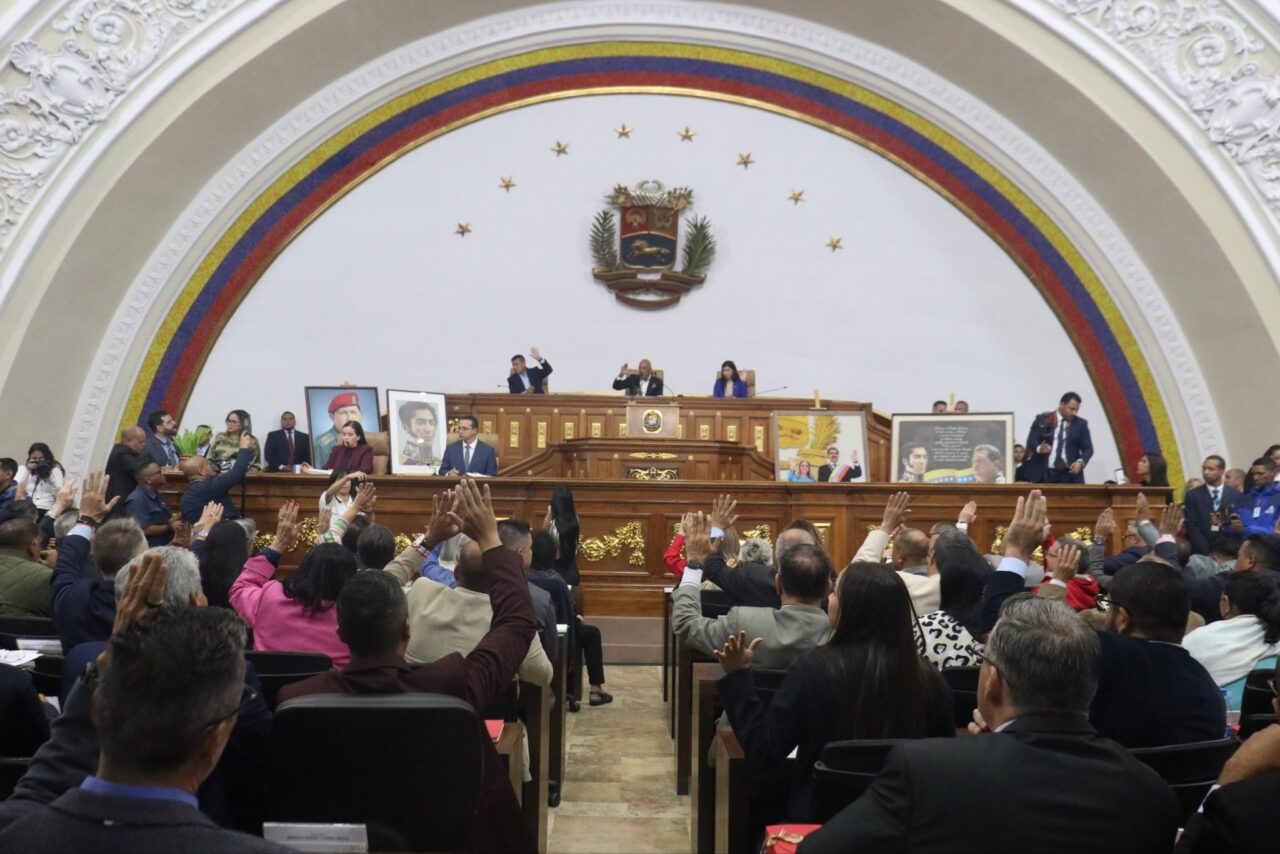
The Venezuelan Parliament unanimously approved on Thursday a general amnesty law that should lead to the release of hundreds of political prisoners, but may at the same time exclude opponents such as the 2025 Nobel Peace Prize winner, María Corina Machado.
The law is an initiative of Delcy Rodríguez, who assumed power after the capture of Nicolás Maduro on January 3 in a United States military raid.
Rodríguez governs under pressure from Washington. A process of releases began prior to the amnesty proposal. There are 448, but there are still 644 behind bars, according to the NGO Foro Penal.
“The only thing I regret is that such regrettable and catastrophic events had to occur so that we all seek and promote brotherhood, unity and peace in the Republic,” said the head of Parliament, Jorge Rodríguez, who is the brother of the interim president.
This is what is known:
Unanimity
The law was approved unanimously. Maduro’s party has an absolute majority, compared to a handful of opponents who achieved changes.
The session was delayed more than two hours amid negotiations.
“Today has been, yesterday and all these days, but today especially a day of profound debate,” said Deputy Rodríguez at the beginning.
Article 7 – an obstacle that led to the debate being postponed on February 12 – was modified and approved unanimously.
He maintains that the amnesty covers “any person who is or may be prosecuted or convicted for crimes or misdemeanors that occurred” in 27 years of Chavismo, that “is within the law or becomes lawful,” that is, it involves the courts, designated to serve Chavismo.
The text includes that those affected in exile can send a representative before the judge.
“After submitting the amnesty request, the person may not be deprived of liberty for the events provided for in this law and must appear personally before the competent court for the purposes of granting the amnesty,” the text says.
Delcy Rodríguez herself has called for a profound reform of the system.
Exclusions
Article 8 lists the specific events covered by the amnesty, from the coup d’état against Hugo Chávez and the 2002 oil strike to the protests against Maduro’s disputed re-election in 2024.
His critics argued that the amnesty should cover the 27 years of Chavismo without exceptions. It was approved.
Article 9 excludes human rights violations or crimes against humanity from the amnesty, as ordered by the Constitution.
It also excludes “people who are or may be prosecuted or convicted for promoting, instigating, requesting, invoking, favoring, facilitating, financing or participating in armed or forceful actions against the people, sovereignty and territorial integrity of the Bolivarian Republic of Venezuela by States, corporations or foreign persons.”
Venezuela was bombed by the United States less than two months ago.
The opposition leader Machado, for example, has been accused on different occasions of calling for invasions, as have other leaders such as Leopoldo López.
A source told AFP that a special commission created by the law will study those cases individually.
Machado is in the United States, after spending more than a year in hiding in Venezuela. López has been in exile in Spain since 2020.
Independent United Nations experts stressed that the amnesty “must apply to all victims of illegal prosecution and be integrated into a comprehensive transitional justice process.”
Hunger strike
Dozens of relatives have camped in front of the prisons since the first release announcement, on January 8. Many followed the session in silence on their cell phones, AFP noted.
The 448 who left received conditional release, a point that activists emphasize: the amnesty must grant full freedom.
A hunger strike started on February 14 by a group of 10 women, of whom one remained, ended with the approval of the law.