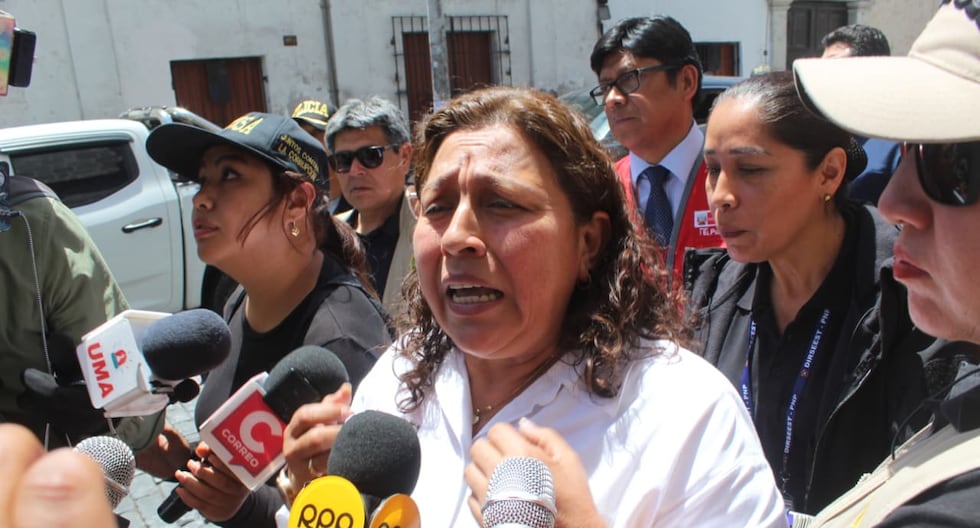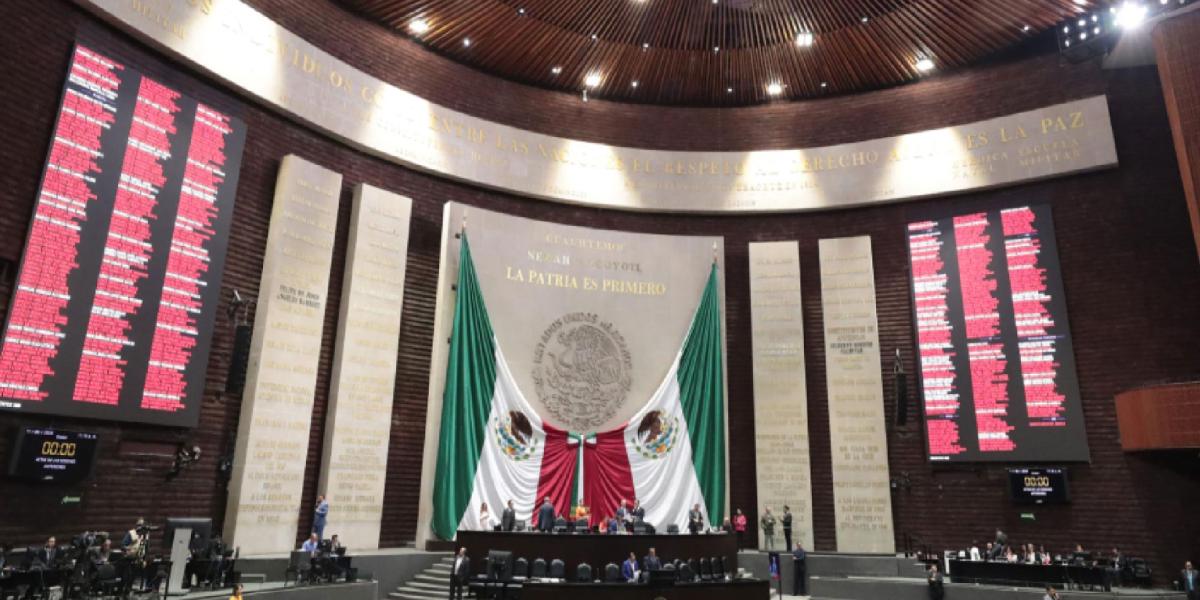
The deputy and coordinator of Morena’s Political Operation in the Chamber of Deputies, Pedro Haces Barba, maintained that the reduction of the working day from 48 to 40 hours could positively impact the country’s labor market, while recognizing that Mexico has fallen behind in the matter.
According to the Morenista leader, San Lázaro is already waiting for the initiative announced by President Claudia Sheinbaum Pardo, who estimated that it could arrive next November in this Chamber of Congress and seeks to change working hours in Mexico.
In this context, he recognized that this presidential proposal can have a positive impact to transform and modernize the labor market in the country, such as improving the quality of life of millions of workers, creating a balance and harmony between family and work life, as well as renewing the organization and technological innovation of companies, aligning the country with international standards of well-being and labor rights.
And he recognized that Mexico has been left behind in the matter, since it has more than a century without making changes to the working day since it was established at 48 hours in 1917.
“The shorter the working day, the higher the productivity. To date, according to data in the country, 64% of the companies that reduced their working hours increased their production,” he said.
The above, remembering that our country is one of the nations in the world with the highest workload, since the Organization for Economic Cooperation and Development (OECD) records that on average Mexicans work 2,207 hours annually, while the average hours worked in the countries of this organization is 1,742.
Confirms that the labor sector is in the T-MEC analysis meetings
After it was reported that the Ministry of Economy included the labor sector in the internal consultations it carries out on the renegotiation of the T-MEC, Haces Barba confirmed that he, along with other union representatives, participated in the work meetings of this treaty and in these tables the progress in terms of freedom of association and collective bargaining in Mexico promoted, he said, since the last six years, was recognized.
“We are very happy to have been invited because they listened to our positions on the areas of opportunity in the labor section of the T-MEC, where Mexico, Canada and the United States have been working continuously. The new review of the USMCA should serve to consolidate human labor rights and not only to adjust economic and trade issues,” he explained.
The union leader also said that they will continue to participate in the work and analysis tables that the Secretariat of Labor and Economy have convened so that they can have all the aspects and approaches that their members have sent them.
He added that the T-MEC boosts national productivity, promotes innovation and encourages the development of value chains that increase the quality and competitiveness of the work done in Mexico, so “it is very important for the growth of this great country, that is why we are going to continue working under conditions of equity and sustainable development in this region that is the most important economically speaking of the entire world, which is North America,” he concluded.