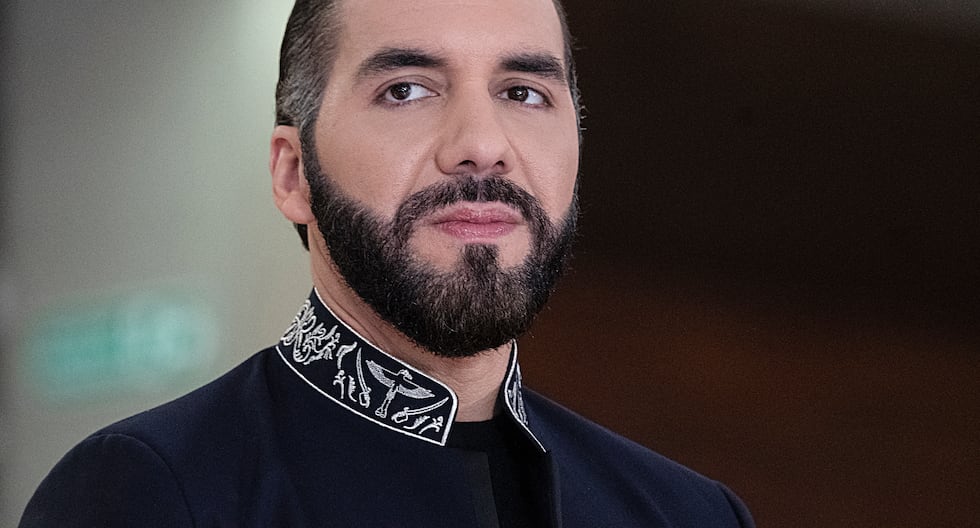
A few months before general elections in Perumore than half of the population expresses their preference for a leadership of firm hand. According to a survey of Datum published by El Comerciohe 51% of Peruvians wants the next president to have a profile similar to that of the Salvadoran president Nayib Bukele.
The study, released on Sunday, shows that this preference far exceeds other regional and international styles of government. Just one 11% leans towards a profile like that of the president of the United States, donald trumpwhile a 5% opts for leadership similar to that of the Argentine president Javier Milei.
Minority preferences for other leaderships
The survey also shows lower support for other political leaders. A 3% I would prefer a profile like that of the Mexican president Claudia Sheinbaumwhile a 2% leans towards the elected president of Chile, José Antonio Kast.
With barely 1% Other presidents of the region, such as Luiz Inácio Lula da Silva, Daniel Noboa, Gustavo Petro and Rodrigo Paz.
High rejection and electoral indecision
As for the voting intentionthe study reveals a high level of rejection and doubt. A 42.9% of those surveyed do not plan to vote for any candidate in the race, a figure that includes those who will vote blank or null (22.5%) already the undecided (18.4%).
The candidate with the highest voting intention is the former mayor of Lima Rafael Lopez Aliagaleader of Popular Renewalwith 12%.
They follow him Keiko Fujimori (Popular Force) with 8.8%and the comedian Carlos Alvarez (Country For All) with 6.2%.
Other candidates in the race
In fourth place appears Mario Vizcarrafrom Peru Primero, with 5.8%followed by the center-left economist Alfonso López Chaufrom Now Nation, with 3.8%.
The survey also shows that only one 12% of Peruvians has their vote fully decided, while a 34% is still evaluating it and a 50% He hasn’t thought about who to vote for yet.
Survey methodology
The Datum survey was conducted between January 2 and 6, 2026to a sample of 1,200 people of legal age at the national level, and presents a margin of error of ±2.8%.