By Juan Carlos Paz Cárdenas, former president of the National Port Authority
In a global context marked by intense logistics competition, the reconfiguration of supply chains and the growing demand for sustainability, Peru has taken a strategic step to consolidate a modern, efficient and prepared port system for the challenges of the 21st century. The recent approval of the new regulations of the National Port System (Supreme Decree No. 009-2025-MTC) represents a key normative update that will attract quality investments, retain existing capitals and adapt agility to the dynamics of international maritime trade.
This regulatory framework does not arise in a vacuum. It is based on three fundamental pillars: the mandates established in the Law of the National Port System (modified last year by Law 32048), the guidelines of the National Port of Port Development and the valuable lessons learned for more than two decades of successful concessions in the country. Among its most remarkable innovations is the possibility of extending concession deadlines for up to 30 additional years, provided that these extensions are linked to concrete commitments of new investments, substantial improvements in the quality of service and alignment with the national logistics development objectives.
Contrary to what superficial readings could suggest, these extensions do not constitute discretionary benefits. On the contrary, they respond to a fundamental economic logic: port projects require broad temporal horizons to mature, given their high component of intensive capital and its technical complexity. By guaranteeing legal stability and regulatory predictability, the Peruvian State avoids the distortions of uncertain environments, encourages innovation and protects the value of investments that, by its nature, demand prolonged return cycles.
In addition, the models of economic-financial analysis that support these decisions-careful by the MTC, the MEF and proinversion-ensure that the exchange between greater investment and extension of the term preserves the public interest. It is not automatic value transfers, but a rigorous evaluation of the balance between future benefits and existing commitments, under rules and methodologies supervised by specialized organisms.
The regulation incorporates another significant innovation: empowers dealers to make investments outside the port area when they contribute to improving regional connectivity or systemic competitiveness, thereby implementing a model of advanced port development. This change reflects a contemporary understanding of what constitutes a world class port: it is no longer only infrastructure and equipment within the port enclosure, but its ability to integrate with multimodal logistics corridors, productive clusters and regions with economic transformation potential.
The Yurimaguas project exemplifies this integrative vision. The Copam concessionary company not only operates the river terminal, but plans to build a 150 -kilometer road that would connect it with Moyobamba, crossing strategic agricultural areas such as Balsapuerto, recognized for its production of cocoa and specialty coffee. This initiative transcends the mere transport of goods: it seeks to weave productive networks, reduce logistics costs for small farmers, enhance exports of the Peruvian Amazon and, ultimately, convert the port infrastructure into an inclusive territorial development catalyst.
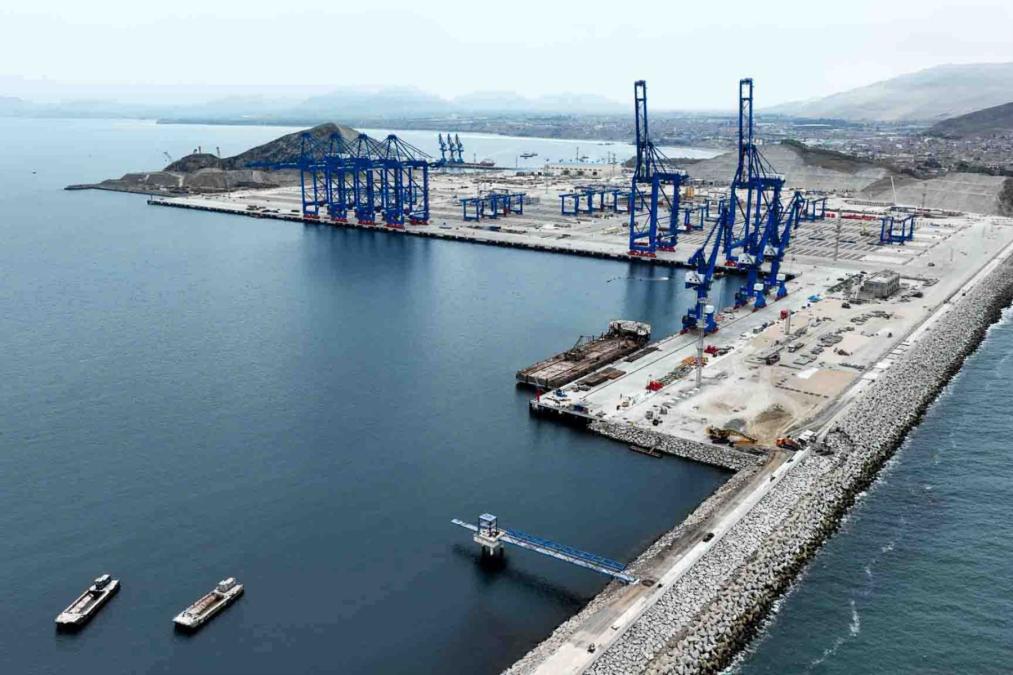
With 18 countries investing in Peruvian terminals, 23 current free trade agreements and ports such as Callao positioning themselves as regional hubs, Peru does not need to reinvent its successful model of public-private associations. The current challenge is to consolidate it through clear rules, solid technical institutions and a shared vision of the future. This regulation does not limit competition: it channels it towards efficiency and added value criteria. Nor does it create privileges: build investor confidence. Ultimately, it is about transforming our geographical advantage into sustainable prosperity for the next decades.