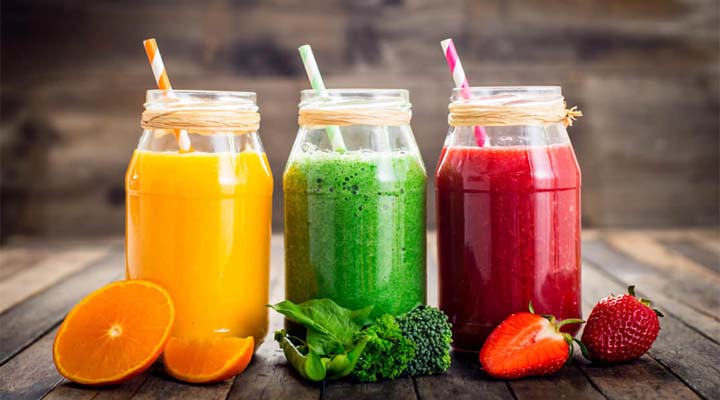
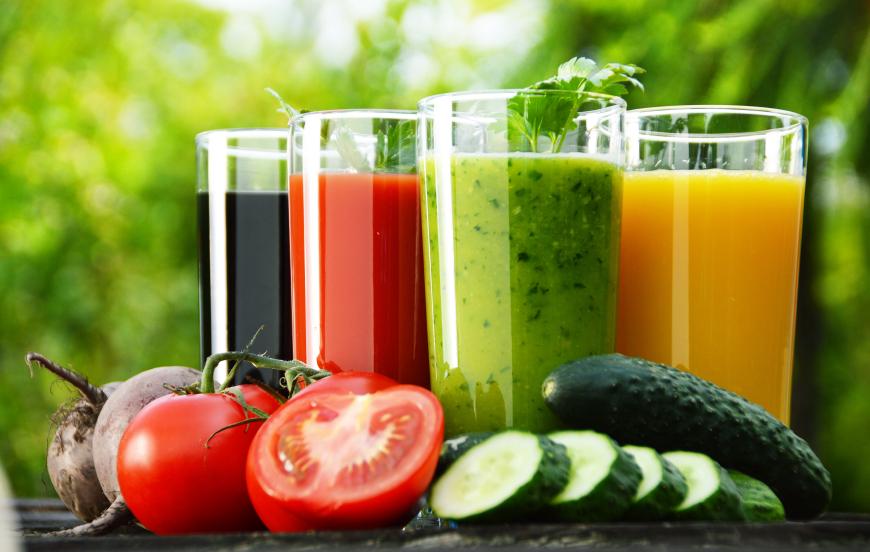
Santo Domingo.- Social networks are flooded with “miraculous” recipes: mixtures of turmeric, ginger, carrot, cucumber, celery,lemon or orange that promise a rapid and “natural” weight loss.
Influencers and creators of content ensure that just blend certain ingredients and drink them on an empty stomach to “detoxify” the body and lose weight effortlessly.
But do the famous detox juices really work? Do they detoxify the body? Are they safe?
The endocrinologist, nutritionist and obesity specialist, Hilda Escaño Mieses, warns that behind these trends there is usually more marketing than scientific evidence.
Escaño explains thatThe liver carries out a biotransformation process in several phases that allows the purification of unnecessary substances.
The Kidneys filter the blood and remove wastes through urine; the intestine expels waste through defecation; and the skin also participates through sweat.
“No juice is going to do that job.””, he emphasizes. “And in patients with liver or kidney diseases There is no juice worth it either. In these cases, specific medical treatments are required, such as dialysis.”
Why do some people lose weight?
Many people claim to have lost between three and five pounds in a few days after starting a juice-based regimen. However, the specialist clarifies that this loss is not usually body fat.
“What happens is that the person becomes deflated because stop consuming ultra-processed foods and sugary,” he points out. “But that would have happened with the juice or without the juice.”
In most cases, the initial reduction responds to fluid loss, decrease in glycogen and even loss of muscle mass.
“That is not sustainable over time,” he warns.. “The body is going to regain that weight because it was not a real loss of fat.”
The real problem is ultra-processed
For the specialista, the true “intoxication“does not come from the absence of green juices, but from the excess of ultra-processed products in the daily diet.
“More than detoxifying with juices, What we should do is detoxify ourselves from what we are eating,” he says.
He points out excesses of sugar, refined flour and salt as especially problematic.
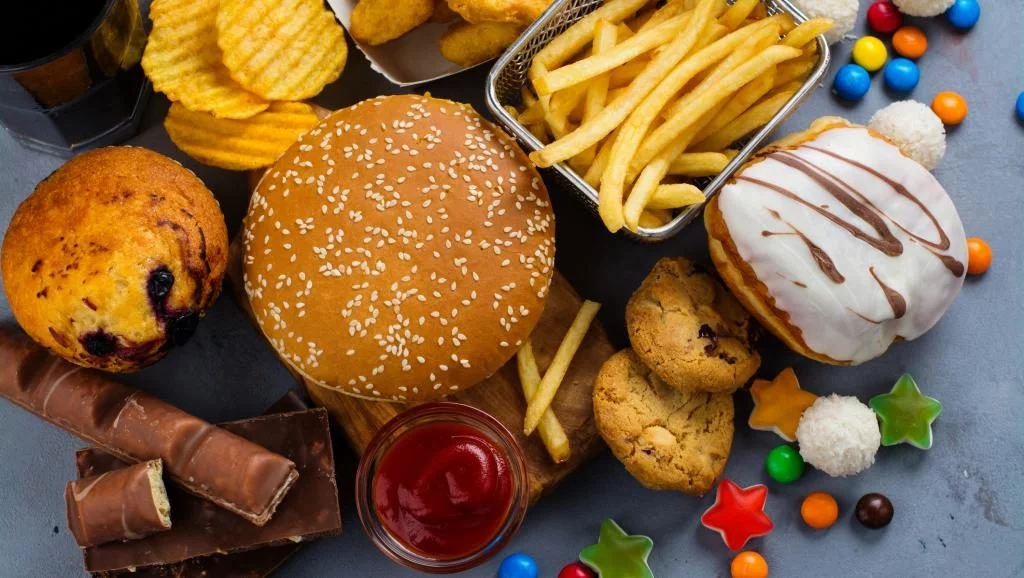
“The three white things flour, salt and sugar “They can be fatal if we abuse them.”
The risk of replacing meals with juices
One of the biggest dangers is using juices as a replacement for complete meals.
“I have seen cases where they indicate six juices a day as single feeding for a week“, he denounces. “That is irresponsible.”
Remember that the body you need three essential macronutrients: proteins, fats and carbohydrates.
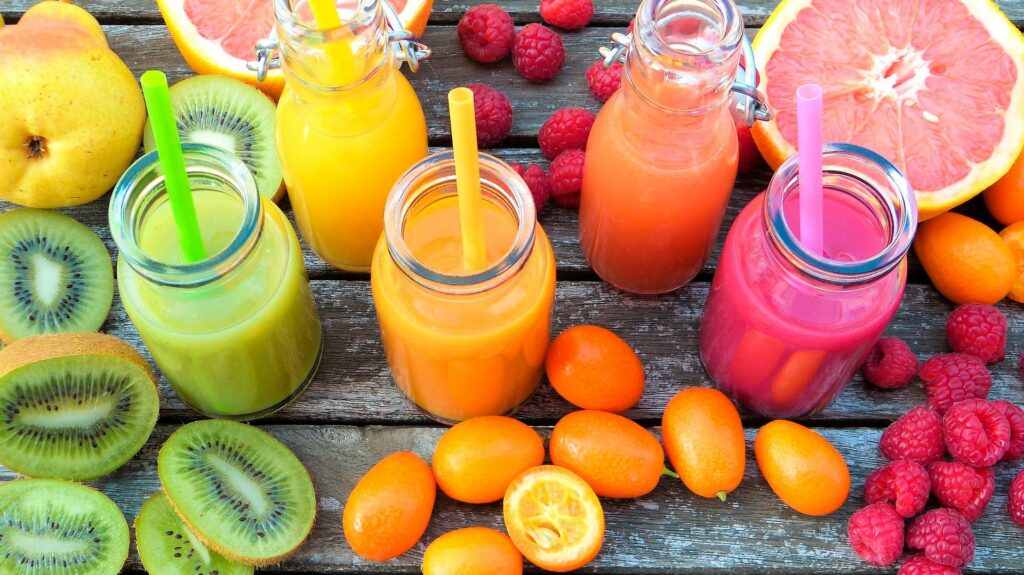
“They are sold as miracle solutions to a real need that patients have: losing weight. But the reality is that “They don’t work as advertised.”
Additionally, juices often lack fiber when blended or strained.
“There you already lost many properties. What remains is basically carbohydrate, especially if you mix it with fruits like pineapple, apple or grapes.”
“We don’t need juices to detoxify us”
One of the main arguments of these trends is that they help “detoxify” the body. However, the specialist is clear: the human organism already has mechanisms natural to eliminate toxins.
“We don’t need any food to detoxify our body,” he explains.

“Any person with normal functioning of the liver, kidneys, intestines and skin does not need to detoxify.”
He also warns that Eliminating entire food groups is unhealthy.
“We need all three groups of macronutrients. You can’t stick to just one.”
In what cases could they be recommended?
Escaño clarifies that he is not against green juices in all contexts. In certain cases they can be part of a balanced diet.
“I give them to patients who do not consume vegetables in any form,” he explains.
“But they are an option within a healthy diet, not a meal substitute.”
The problem arises when they become the central axis of the diet or when the amounts are exaggerated without supervision.
“Dose matters. A small juice is not the same as part of a diet. structured than six glasses a day as the only source of nutrition.”
The importance of a medical evaluation
The specialist insists that weight loss must be addressed on an individualized basis and with a professional evaluation.
“The first thing is to know what you suffer from,” he emphasizes.
There are asymptomatic conditions such as diabetes, hypercholesterolemia, thyroid disorders, insulin resistance, sleep problems and nutritional deficiencies that should be evaluated before starting any plan.

“It’s not just a matter of eating less,” he emphasizes.
The danger of digital misinformation
Escaño recognizes that health professionals face an avalanche of advice on social networks.
“Today there are people giving recommendations about mental health, fertility and miracle diets without adequate training,” he warns.
Many patients come to the office after suffer complications for following unsupervised recommendations.
“They go first to the miracle and then come to the doctor to solve the problem,” he says.
There are no miraculous shortcuts
For the endocrinologist, the focus should not be limited to the scale.
“The goal is not just to reduce. It is to improve body composition, preserve muscle mass and prevent diseases.”
Sleeping between seven and eight hours, maintaining regular meal times and avoiding constant “snacking” are essential habits.
In the end, the message is clear: there are no quick or magic solutions to lose weight in a healthy way.
“If you want to lose 20 or 30 pounds, There are safe ways to do it, but with professional guidance,” he concludes.
Detox juices may seem like a simple and attractive option, but they do not replace a balanced diet or correct underlying metabolic problems.
“Education is key. The human body is designed to function properly when we give him what he really needs. “You don’t have to look for miracles in a blender.”