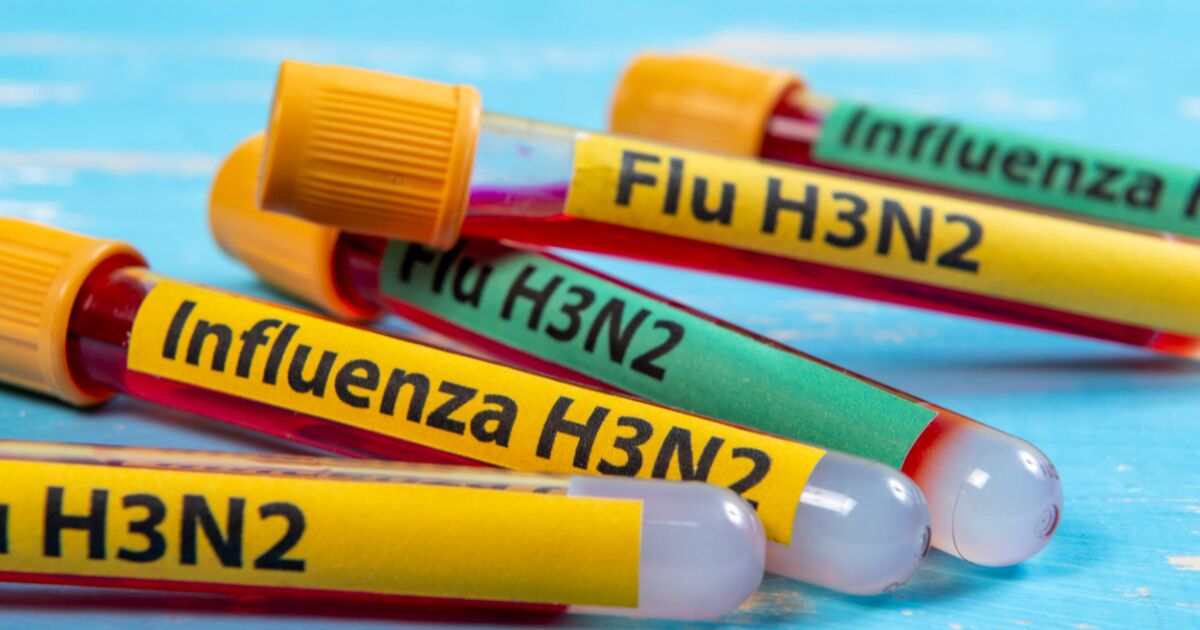
The K subclade (J.2.4.1) of influenza is derived from the AH3N2 virus, one of the variants that circulates every year in the winter season and, therefore, its clinical management is the same and the main prevention measure is vaccination, the agency stressed.
Although this variant is circulating rapidly in various parts of the world, the Ministry of Health assured that “it does not represent a cause for alarm for the population.”
The Pan American Health Organization (PAHO) has not yet reported “clinical severity” in the cases detected in other countries.
“But, historically, seasons dominated by A(H3N2) are usually associated with a greater impact on older adults,” the organization noted.
However, on December 4, it launched an epidemiological alert to recommend that countries in the northern hemisphere reinforce surveillance of influenza, covid-19 and respiratory syncytial virus (RSV) before the arrival of the cold season. Until November, the K subclade had not been detected in South America.
The agency decided to warn early after observing that in the southern hemisphere the influenza season concluded with a 29% increase in serious cases of severe acute respiratory infection compared to 2024.
This Friday, PAHO published an information note to warn about the circulation of the K subclade, which has grown rapidly in Europe and in several countries in Asia, where it represents a significant proportion of the influenza A(H3N2) viruses analyzed. The United States and Canada also register a progressive increase in infections of this variant.
For this reason, it urged northern countries to strengthen PAHO urged Member States to maintain and strengthen surveillance, guarantee high vaccination coverage, treat cases in a timely manner, and strengthen the preparation of health services for the possibility of an intense 2025-2026 influenza season in the northern hemisphere.
In Mexico, health authorities launched the winter vaccination campaign in October with the goal of providing 35 million doses and asked older adults, pregnant women and other people at higher risk to get vaccinated as soon as possible.
Since October, when the influenza season began and until December 11, the Ministry of Health has confirmed 952 cases of common influenza variants, which circulate each year in the country.