The Minister of Agriculture and Lands, Julio León Heredia, indicated that there are plans related to primary production, such as the cultivation of sugarcane and African palm, and with the transformation of food, as well as with the creation of “important routes” for the transport of products to Colombia and vice versa
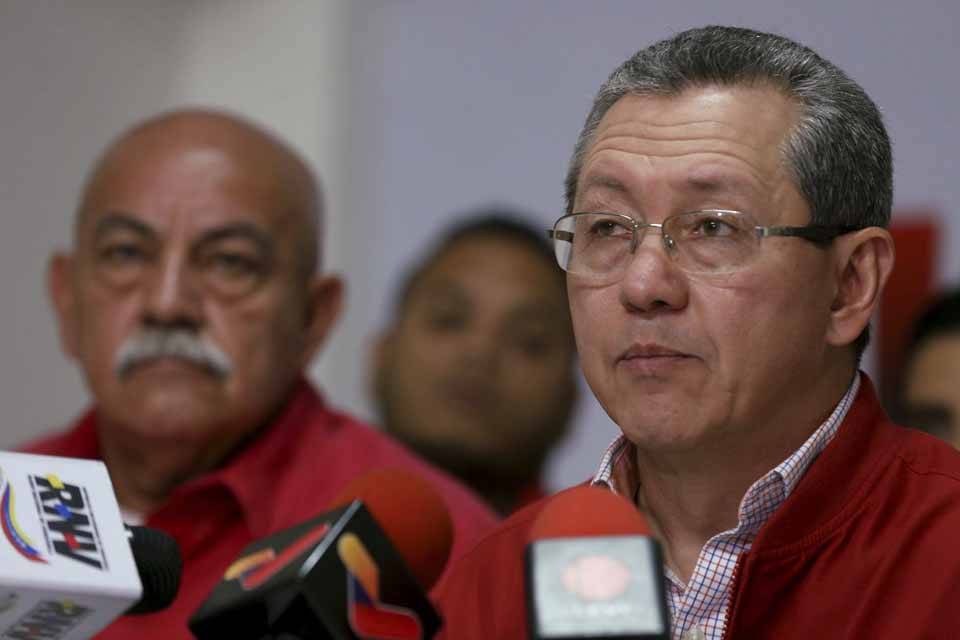
The Minister of Agriculture and Lands, Julio León Heredia, said last Friday, August 1 that there are “immense” projects for the economic zone with Colombia in border states, whose creation was recently approved by both governments.
“In the productive area, the projects we have to benefit both countries and, above all, the peoples that are there are immense,” said the minister in a program headed by Deputy Tania Díaz.
The official said that there are plans related to primary production, such as the cultivation of sugarcane and African palm, and with the transformation of food, as well as with the creation of “important routes” for the transport of products to Colombia and vice versa.
In that context, he indicated that currently the country produces 96% of its food and also records a “surplus in the area of vegetables”, produced in states such as Táchira, which is part of the binational area.
*Also read: Machado calls solidarity with Apure communities incommunicado after the rains
León Heredia said that the creation of this area was “something expected by the peoples” of Táchira and Zulia and the department of Norte de Santander, which limits with these two Venezuelan regions.
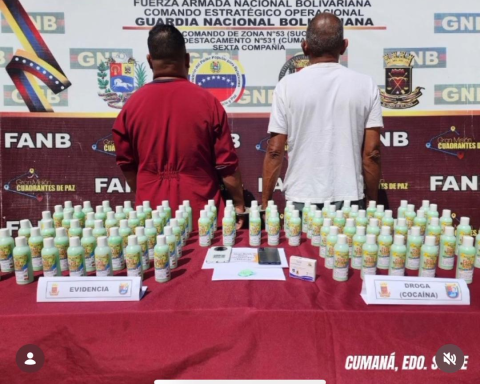
“There is their own dynamic that we have there, they are deeply twinned peoples who have been affected with the issue of drug trafficking,” added the Minister of Agriculture, who said that this bilateral zone also allows “generating conditions for tranquility and security.”
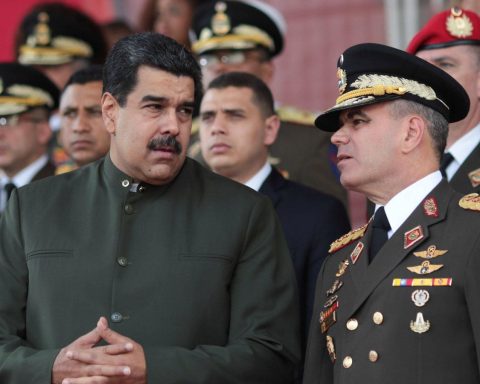
The creation of the area between the two countries was approved on July 17, with the aim of offering “facilities for a strong trade” and “increasing investments,” said Nicolás Maduro, who said that “Chinese, Indians, Russians and the Turks” are “very interested” in the area.
With information from EFE
*Journalism in Venezuela is exercised in a hostile environment for the press with dozens of legal instruments arranged for the punishment of the word, especially the laws “against hatred”, “against fascism” and “against blockade.” This content was written taking into consideration the threats and limits that, consequently, have been imposed on the dissemination of information from within the country.
Post views: 118