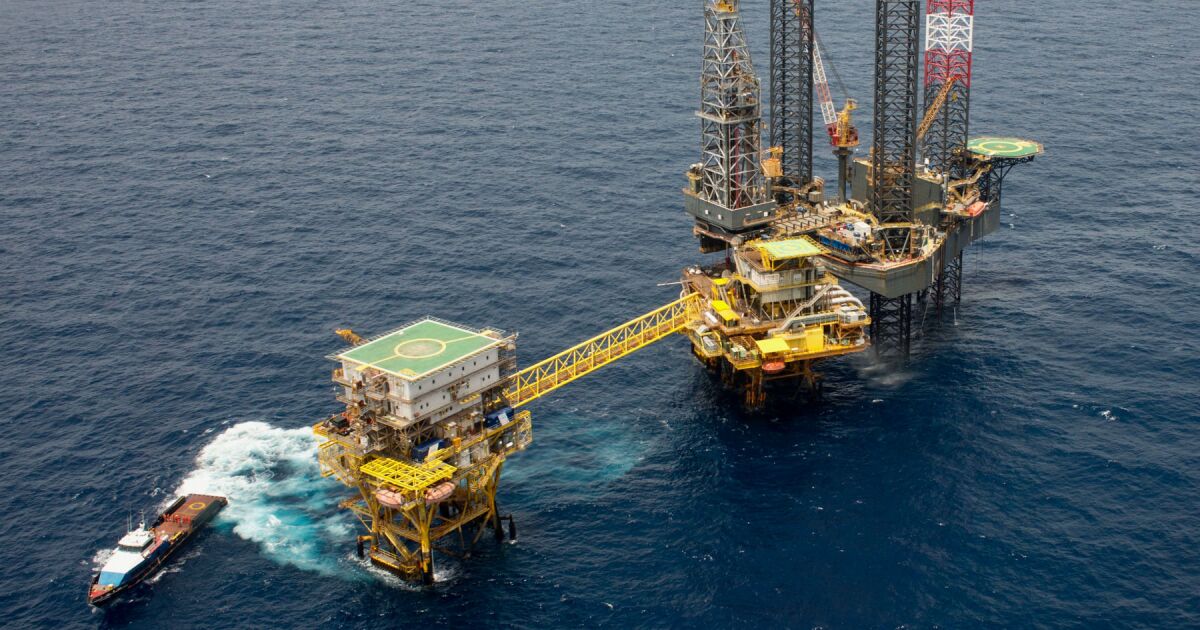
“The generation of these income is already far from what was observed in the oil bonanza, when they paid more than 40% of tax revenues, today it is going for 12%,” said Arturo Carranza, a specialist in the energy issue.
The factors that affect this decline are a lower oil production, low prices, and the reduction of the fiscal burden for Pemex that began in 2020 the last six -year period with the reduction of the right of shared utility (DUC). It will also affect the lower export of crude, the specialist detailed.
Finance records detail that oil revenues had their greatest contribution in 2008, when Felipe Calderón Hinojosa was president of Mexico.
The lower contribution of oil income income means a reduction of 131.3 billion pesos (MDP) compared to what is scheduled for this 2025, which obeys a lower average price of crude oil, and that is not completely compensated with the increase plan Public Credit (SHCP) in economic precriters 2026.
More tax collection
The federal government strategy to compensate for the lower oil contribution will concentrate on the improvement of tax collection. Tax income will generate 67.3% of all income, the largest contribution of which you have registration.
This was confirmed by the Undersecretary of Revenue of Finance, Carlos Lerma last week at a press conference, where he ruled out a tax reform by 2026 that includes new taxes or increases in these, in exchange for improvements in tax collection; control to taxpayers who must taxes; fight against smuggling, evasion and tax elusion; An customs reform, in addition to the digitalization of processes to make citizens compliance with the Tax Administration Service (SAT) easier.