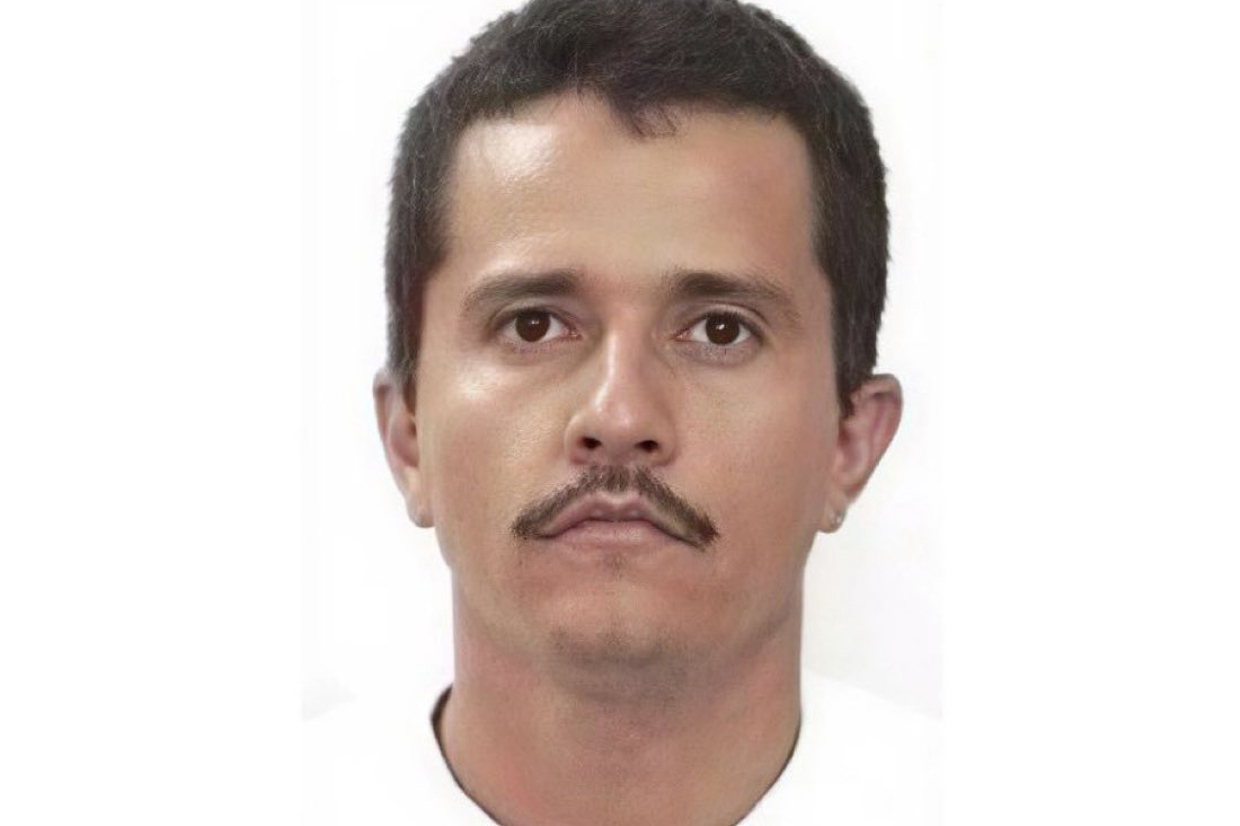
The government of Mexico confirmed this Sunday, February 22, 2026, the death of Nemesio Rubén Oseguera Cervantes, alias “El Mencho”leader of the Jalisco New Generation Cartel (CJNG) and one of the most wanted drug traffickers in the world.
The boss was shot down during a military operation in Tapalpaa municipality located about 130 kilometers south of Guadalajara, in the mountains of the state of Jalisco.
As reported by the Secretariat of National Defense (Sedena)During the confrontation, four members of the CJNG died at the scene, while three others—among them “El Mencho”—were injured and died during their air transport to Mexico City.
Two other suspects were arrested and armored vehicles, various weapons and rocket launchers capable of shooting down aircraft were seized.
The operation included the participation of special forces of the Army, aircraft of the Mexican Air Force and the Special Immediate Reaction Force of the National Guard. Three members of the security forces were also injured and were taken to hospitals in the capital for treatment.
The role of the United States
The operation was not an exclusively Mexican effort. own Secretariat of National Defense (Sedena) recognized in its official statement that, in addition to the central military intelligence work, “within the framework of bilateral coordination and cooperation with the United States, there was complementary information from authorities in that country.”
As also confirmed by the Mexican embassy in Washington, US agencies did not participate directly on the ground, but rather provided intelligence that was decisive in locating the kingpin: a discreet cooperation scheme that had already been used in other high-profile operations.
Washington’s role was not limited to intelligence: in February 2026, the Trump administration had formally designated the CJNG as a foreign terrorist organizationwhich increased political pressure on Mexico to obtain concrete results.
After the operation, the Undersecretary of State, Christopher Landauwas one of the first to react publicly, calling the operation a historic milestone and warning that “the good guys are more than the bad guys.”
The US embassy in Mexico also issued a security alert for its citizens in Jalisco and five other states affected by drug blockades, recommending not going out on the streets in the face of the wave of violence unleashed after the fall of the kingpin.
The most wanted man in Mexico
Nemesio Oseguera Cervantes was born on July 17, 1966 in the community of Aguililla, Michoacán. He left school at an early age to work in the fields. As a young man he emigrated to the United States, where he became involved in heroin distribution networks, was arrested and later deported to Mexico.
After his return, he joined the drug trafficker Ignacio Coronel Villarreal, “Nacho Coronel.” After his death, Oseguera Cervantes and Erik Valencia Salazar, “El 85”, They founded the CJNGan organization that in a few years became one of the most powerful and violent cartels in Mexico, with a presence in at least 10 states and operations in dozens of countries.
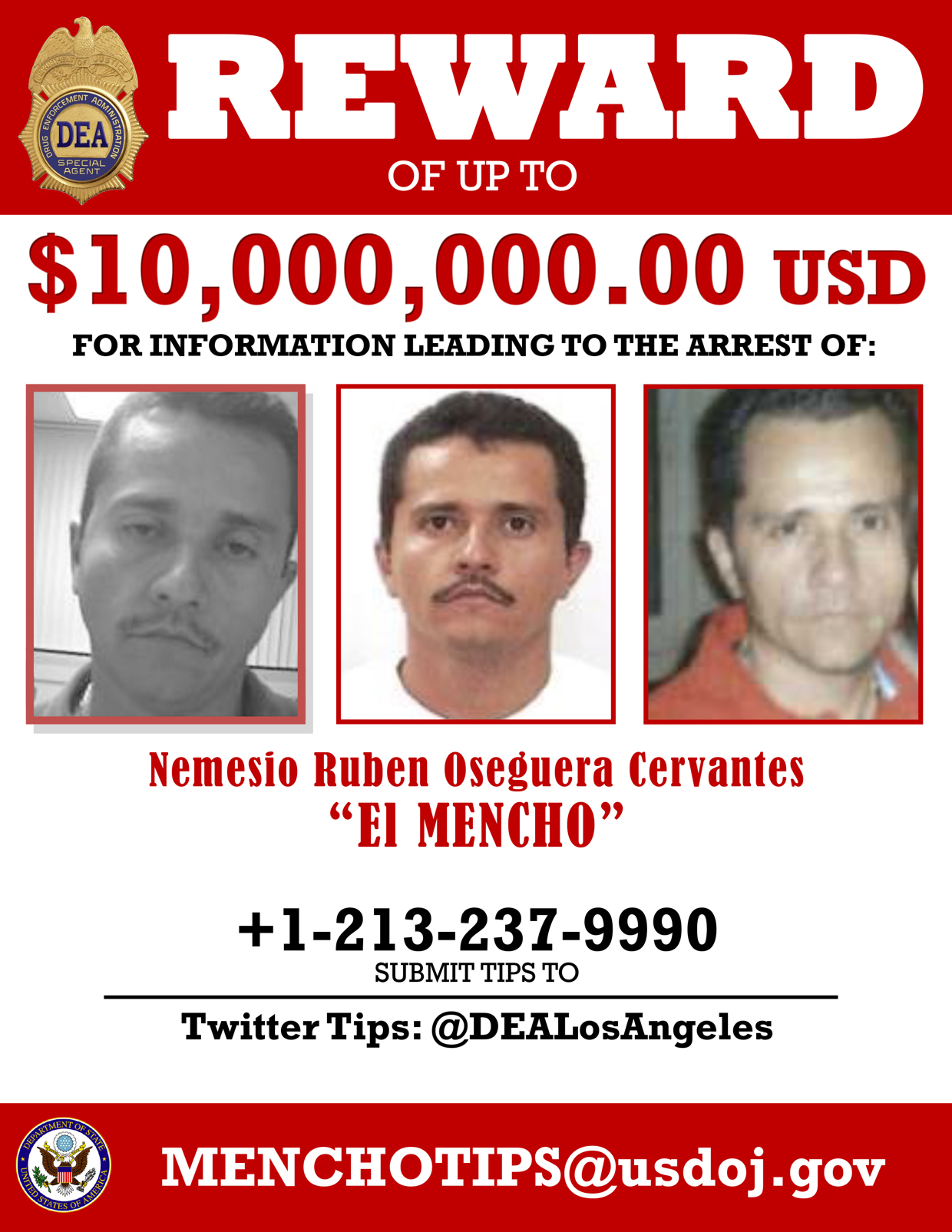
For information leading to his capture, the DEA offered a reward of 15 million dollars, the same amount that was offered at the time for Joaquín “El Chapo” Guzmán. In 2025, the US State Department classified him as a Specially Designated Global Terrorist.
The wave of violence paralyzes the country
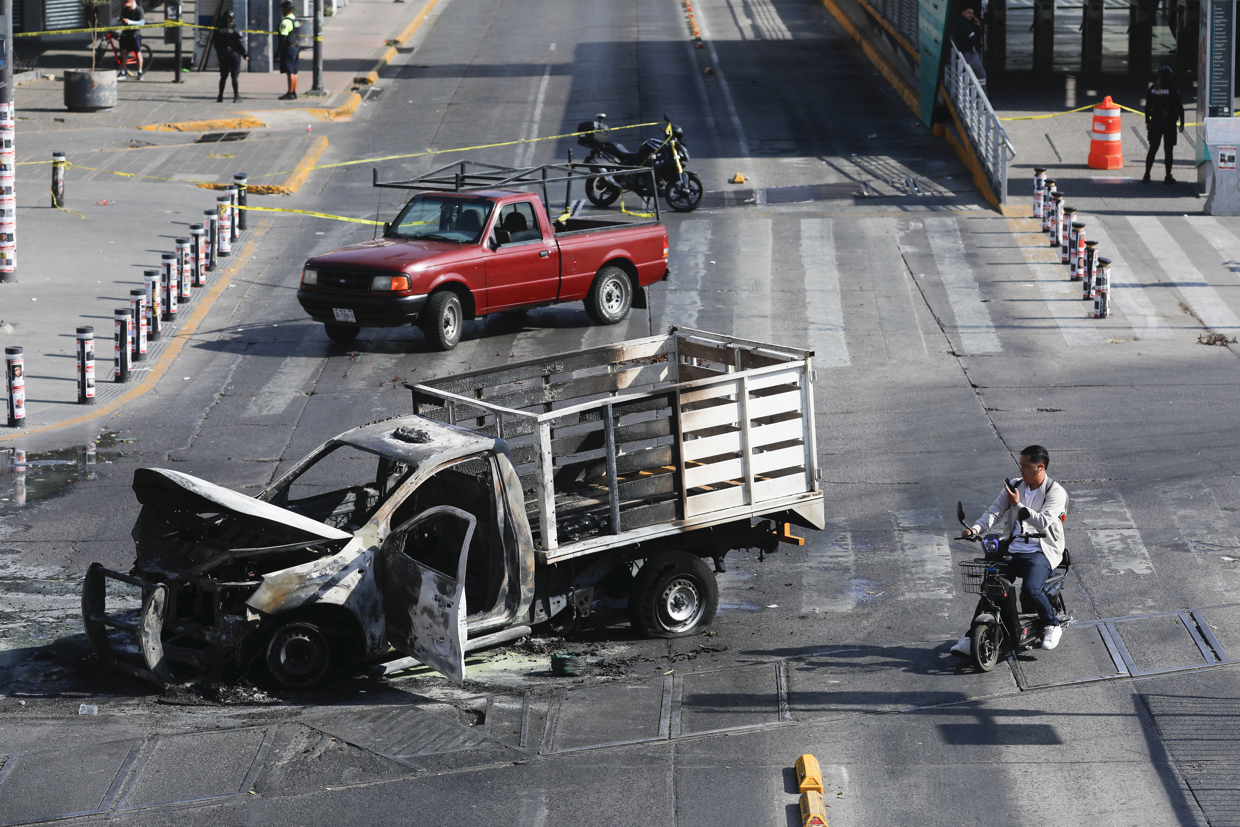
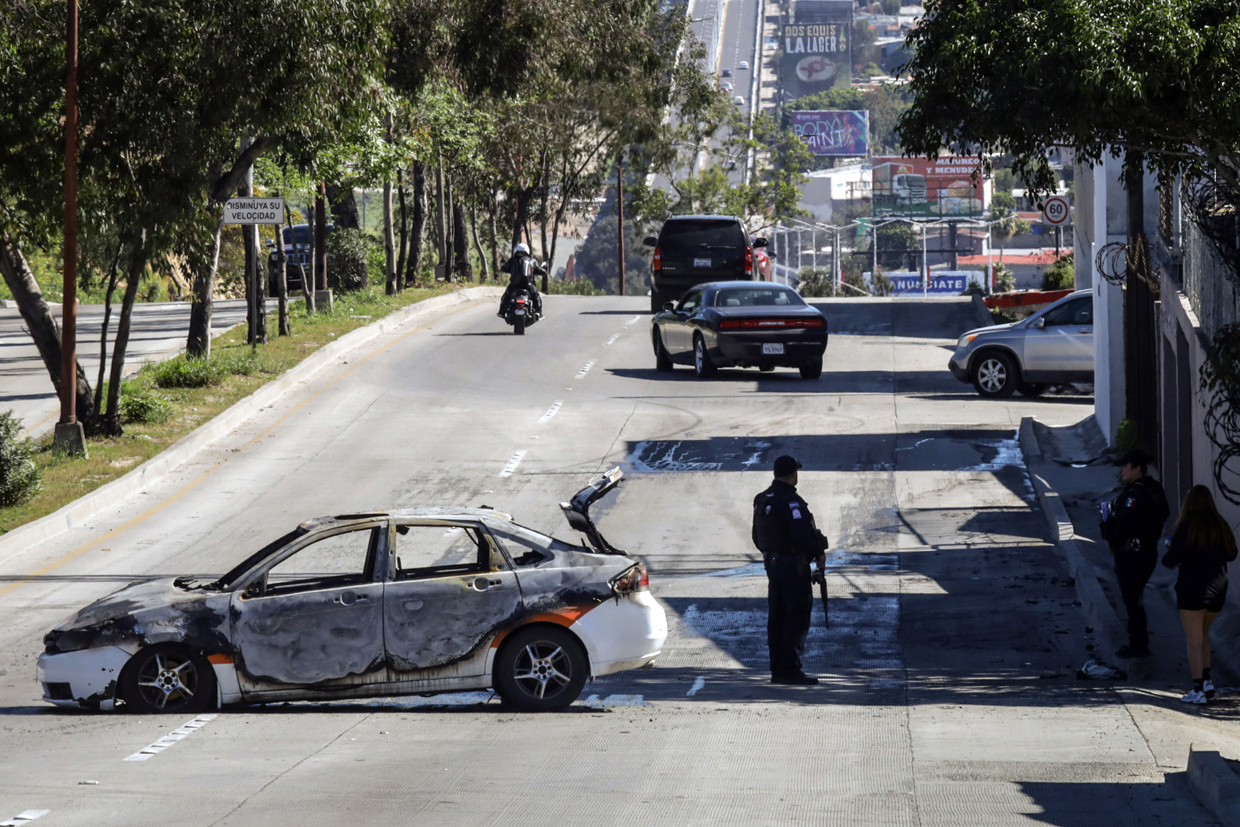
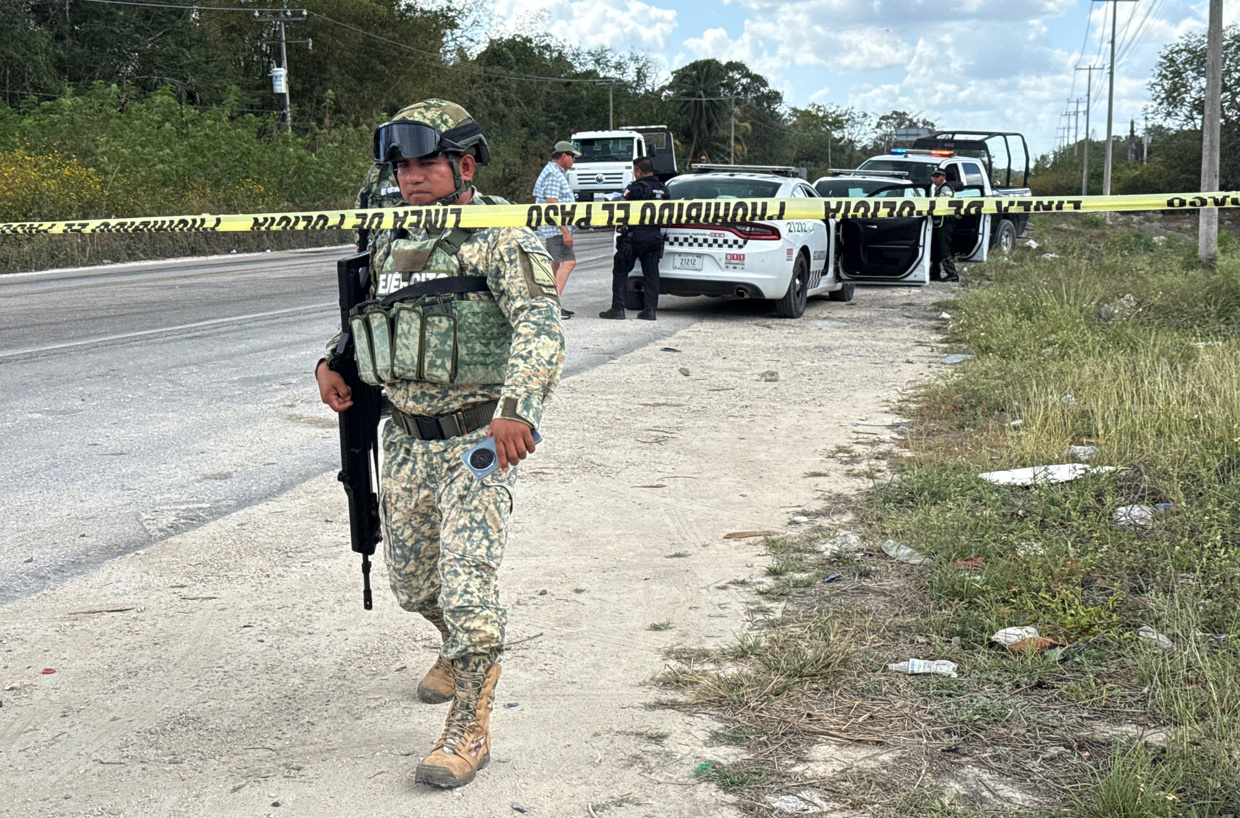
The CJNG reaction It was immediate, coordinated and national in scope. Jalisco, Michoacán, Tamaulipas, Colima, Nayarit and Aguascalientes suffered narcoblockades carried out by armed civilians in direct response to the operation in Tapalpa.
The tactic, characteristic of the cartel, consists of setting trucks and private vehicles on fire to obstruct roads, demonstrate territorial capacity and hinder the movement of troops.
In Jalisco, the epicenter of the storm, the blockades spread across multiple roads. The highway to Colima was cut off with vehicles set on fire, and the access to the municipality of Tapalpa, where the operation was carried out, was also blocked.
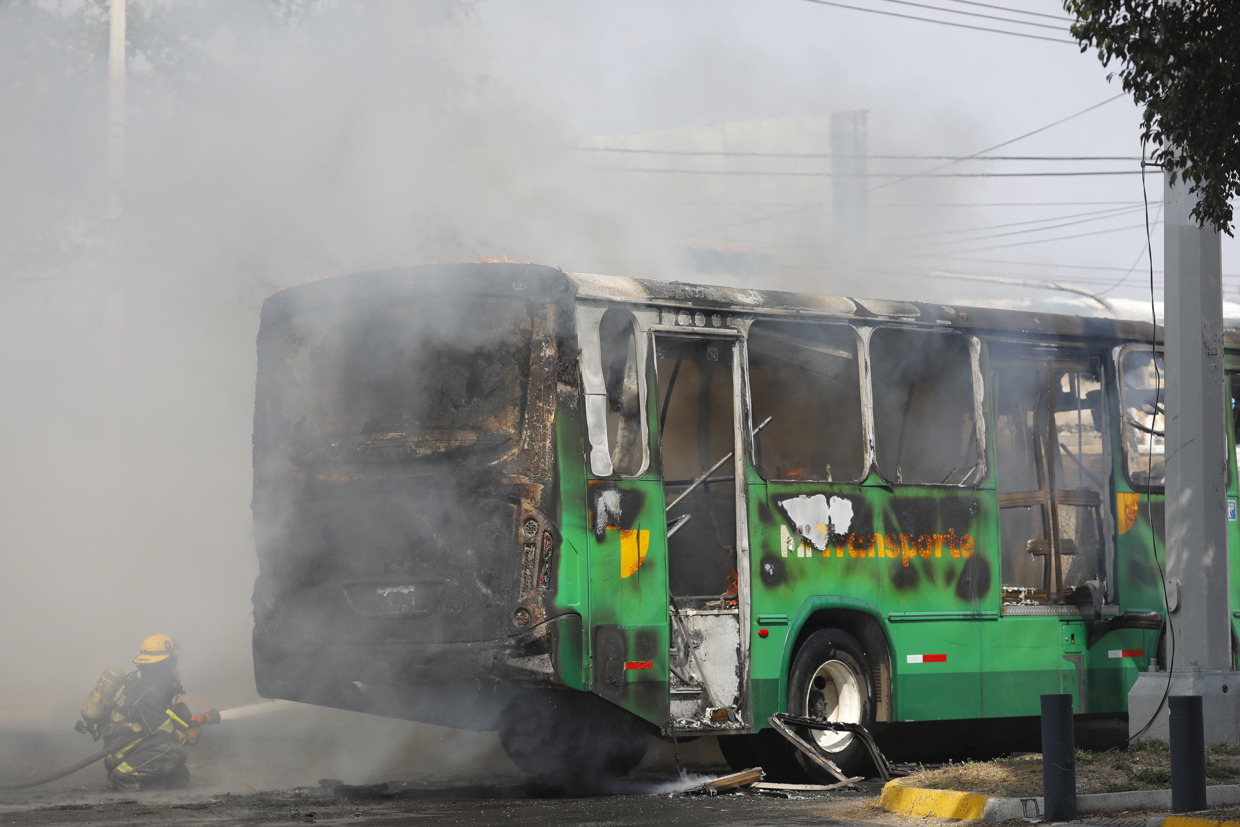
Governor Pablo Lemus activated the red code in the state, installed the Security Desk permanently and asked the population not to leave their homes.
The chaos went beyond the borders of Jalisco and has been felt in Veracruz, with road closures due to burning vehicles.
The State of Mexico, for its part, reinforced security in its border areas with Guerrero, Michoacán and Morelos. Oaxaca issued preventive warnings on the roads that connect it with Veracruz.
One of the most significant blows to foreign trade was suffered by the Port of Manzanillo, Colima, the most important in Mexico in cargo volume. The National Port System Administration (Asipona) announced the “temporary suspension of operations” and requested port companies and users to remain on alert within their facilities.
Mexico City International Airport also issued a notice recommending passengers check the status of their flights with their airlines.
The federal Security Cabinet attempted to contain the alarm by ensuring that the shopping centers in Guadalajara and other cities in Jalisco were operating normally, although it recognized “incidents of burning some stores in specific points.”
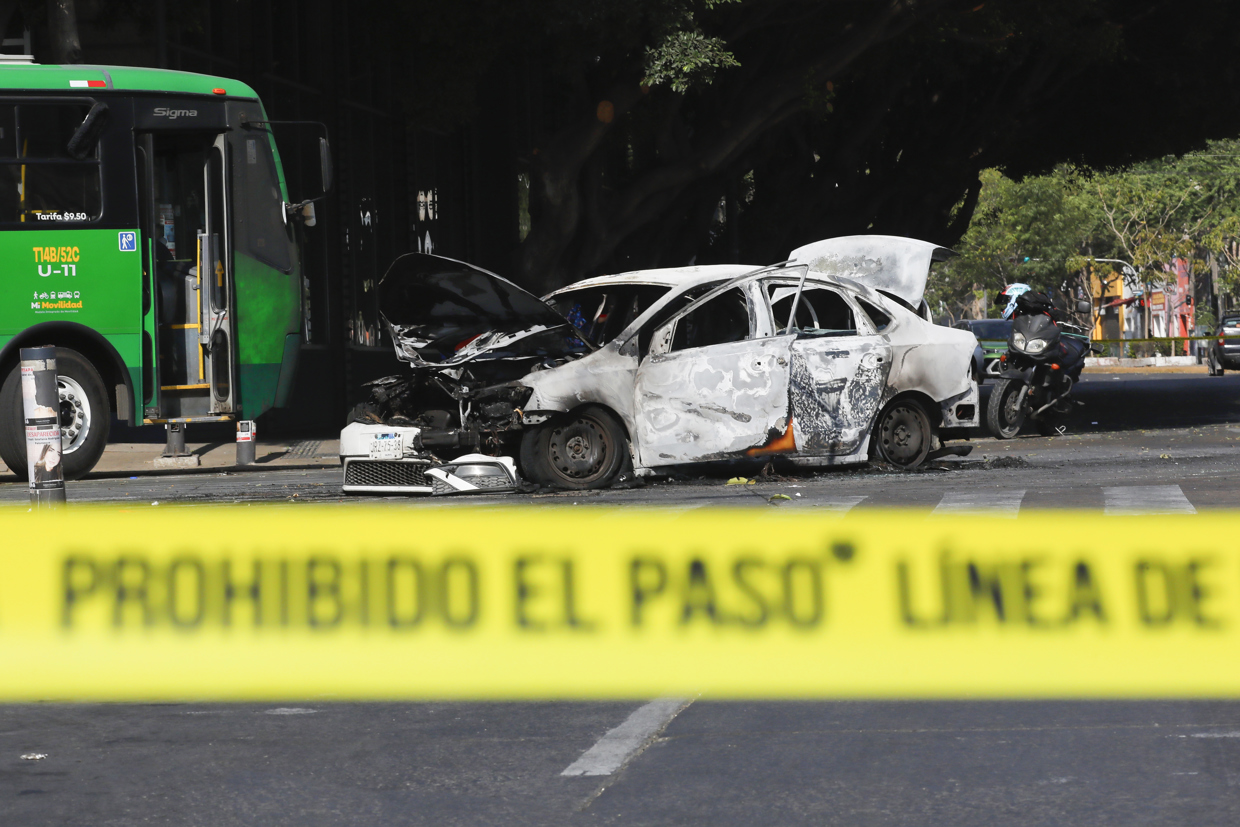
The president of the Chamber of Deputies, Kenia López Rabadán, asked citizens to stay in their homes and expressed solidarity with the inhabitants of Jalisco, Michoacán, Nayarit, Colima, Zacatecas, Tamaulipas and Guanajuato, affected by the blockades.
These events have made it clear that, although “El Mencho” has died, the CJNG operational apparatus remains capable of activating a national response within hours, raising questions about the stability of the country in the coming weeks.
Political reactions
In Mexico, legislators from different parties celebrated the news. The majority leader in the Chamber of Deputies, Ricardo Monreal, supported the president’s security strategy Claudia Sheinbaumunder whose government the operation was carried out with the support of Security Secretary Omar García Harfuch.
Analysts and international media agree that the fall of “El Mencho” represents the most significant blow against drug trafficking in the recent history of Mexicocomparable to the capture of “El Chapo” Guzmán or the arrest of Ismael “El Mayo” Zambada. The CJNG, under his leadership, became one of the largest traffickers of fentanyl and cocaine to the United States.
The question that remains in the air is who will take the reins of the cartel. In June 2025, the US Department of Justice had already sanctioned three senior members of the CJNG identified as possible successors.