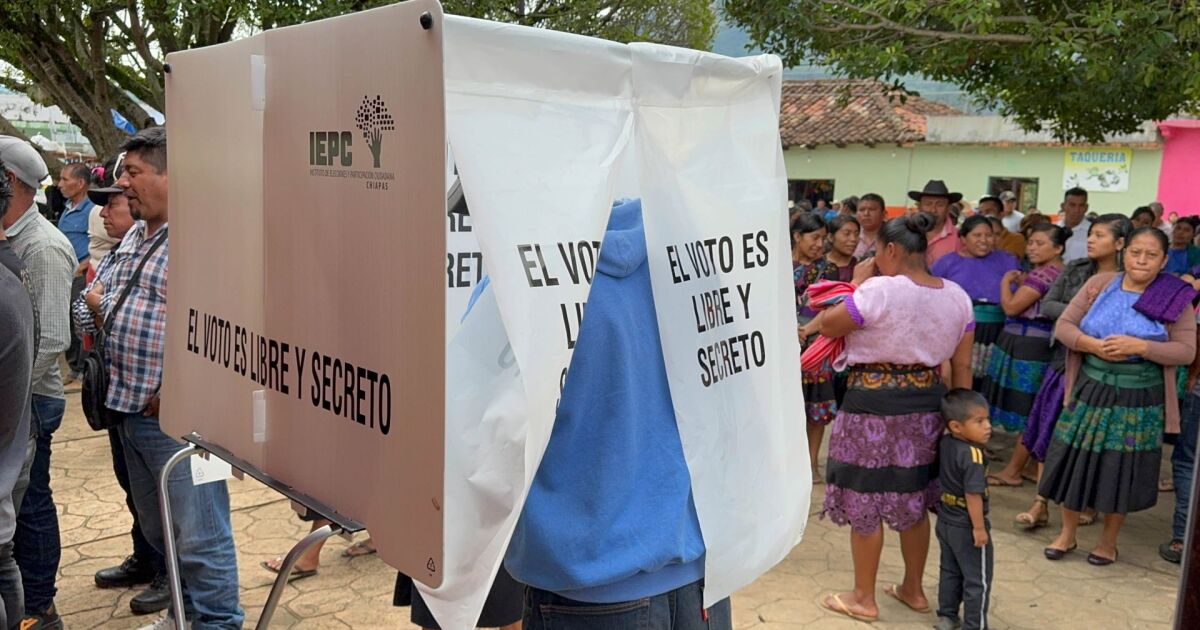
The INE has begun to structure technical and operational proposals to organize the 2027 electoral process, which includes coordination with local public electoral organizations in each federal entity.
One of the challenges identified is the concurrence of multiple elections on the same day, which could require more resources and logistical coordination, including the installation of polling stations and training of electoral personnel. Discussion has also been raised about possible adjustments to the calendar or the integration of voting modalities that facilitate citizen participation.
For citizens and political actors, the 2027 elections will be an opportunity to define the composition of the Chamber of Deputies and renew state and local governments in a significant part of the country. Furthermore, the process will take place in a context of electoral reforms and discussions about institutional design, which could influence how elections are organized and how transparency and equity are guaranteed.
Key dates of the 2026-2027 electoral process
Although the INE has not yet defined the official calendar, these are the general planned dates:
– Start of the electoral process: last quarter of 2026.
– Electoral campaigns: spring 2027.
– Electoral ban: three days prior to election day.
-Election day: June 6, 2027.
Governorships that will be voted on in 2027
The 17 states where the governorship will be renewed that year are:
– Aguascalientes
– Baja California
– Baja California Sur
– Campeche
– Chihuahua
– Colima
– Warrior
– Michoacan
– Nayarit
– Nuevo Leon
– Queretaro
– Quintana Roo
– San Luis Potosi
– Sinaloa
– Sonora
– Tlaxcala
– Zacatecas
Judicial process 2027
The judicial electoral process must be promulgated and published, at the latest, during the first week of June 2026, in terms of article 105 of the Constitution, which establishes that electoral laws must be issued at least ninety days before the start of the electoral process in which they are intended to be applied.
This limit implies that any regulatory adjustment would have to be made during the regular session period that runs from February 1 to April 30, 2026.
The Senate must issue the call within 30 days after the start of the regular period of sessions – which begins on September 1, 2026 -, so the deadline for its publication runs from September 2 to October 1, 2026.
The elected persons will protest before the Senate of the Republic on September 1, 2027, in terms of article 96 of the constitution.