Cariocas and tourists visiting from Rio de Janeiro say goodbye to Carnival this weekend with pomp and circumstance. In addition to blocks of different sizes on the streets and city avenues, anyone who goes to the sambadrome today (Saturday, 21st) will watch the special group’s “parade of champions” from 9pm onwards.
In order, the following samba schools will perform: Mangueira (6th place), Imperatriz Leopoldinense (5th), Salgueiro (4th), Vila Isabel (3rd), Beija-Flor (2nd) and, finally, Unidos do Viradouro, champion with maximum score (10) in all categories (total 270 points).
Read here about the plot of each school that reintroduces itself.
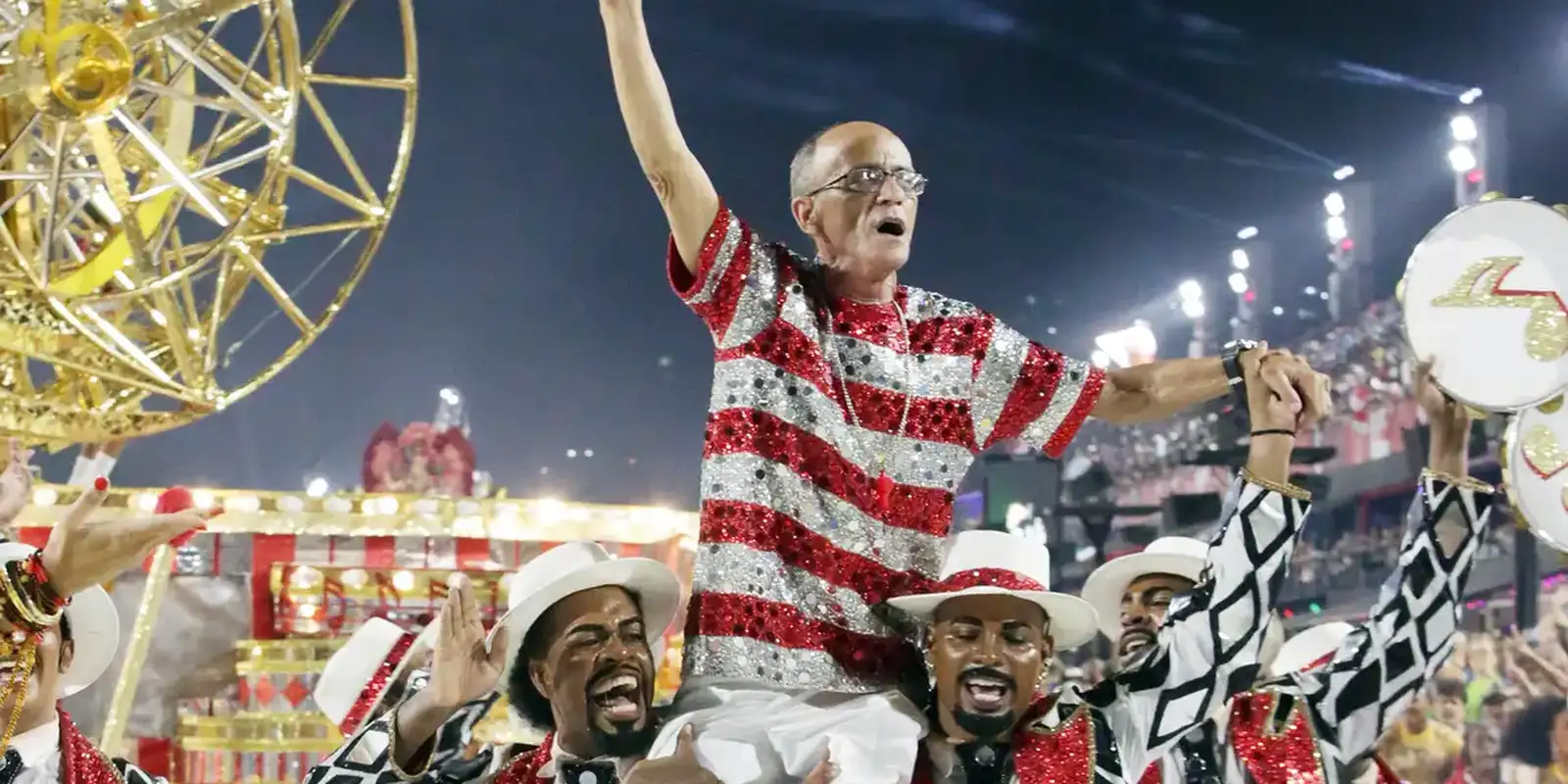
It should be another night of great joy in the life of Moacyr da Silva Pinto, Mestre Ciça, who commands the Viradouro drums. He is the subject of the champion school plot that reappears later.
The carnival won for the fourth time by the Niterói samba school was innovative right from the choice of the plot. Up, Ciça pays tribute in life to a member of the association itself. The parade took place last Monday (16).
Master of masters – Ciça has the curriculum to do so. In July it turns 70 years old, of which 55 were dedicated to carnival, accumulating experience from dancer to rhythmist in different schools, to become “master of masters”, as recognized by colleagues from other barracões.
Fronting “Furacão Vermelho e Branco”, as the Viradouro drums are called, Ciça commands the most important part of a samba school. “The one who sets the tempo, the one who sets the rhythm to the samba plot’s statement, is the drums”, explains the sociologist Rodrigo Reduzinoresearcher of the Rio carnival among other academic interests.
For the expert, the drums are more than a vital organ in the parade. “It could be that – the battery is like the heart. But it’s also an integral part of a body, of a system as a whole.”
Drum masters, like Ciça, guide the steps of the procession of the body that is the samba school. For this, they have special gifts and learning, points out Rodrigo Reduzino.
“You need to have science and knowledge. It’s not university knowledge. It’s ancestral intellectual knowledge of dealing with this group, to the point of directing the best rhythm and tempo for this body.”
Incorporating discernment, science, wisdom and knowledge into the whistle and baton “doesn’t happen overnight”, highlights the researcher.
Samba is not “learned in school”, as Noel Rosa sang (in Feitio de Oração). Instructions and understandings that “are passed on orally, in experience, in the experience of those around them on a daily basis. It is the continuity of their ancestry that leaves the mark of the drums”, concludes Rodrigo Reduzino.