THE free trade agreement signed between Mercosur and the European Union (EU) will benefit Brazilian family farming, with emphasis on those who produce coffee and fruits, said the Minister of Agrarian Development and Family Agriculture, Paulo Teixeira. He believes that there is also potential for dairy products, especially cheeses from Minas Gerais.
In the words of Paulo Teixeira, “family farming will boom” with the agreement signed between the two blocs.
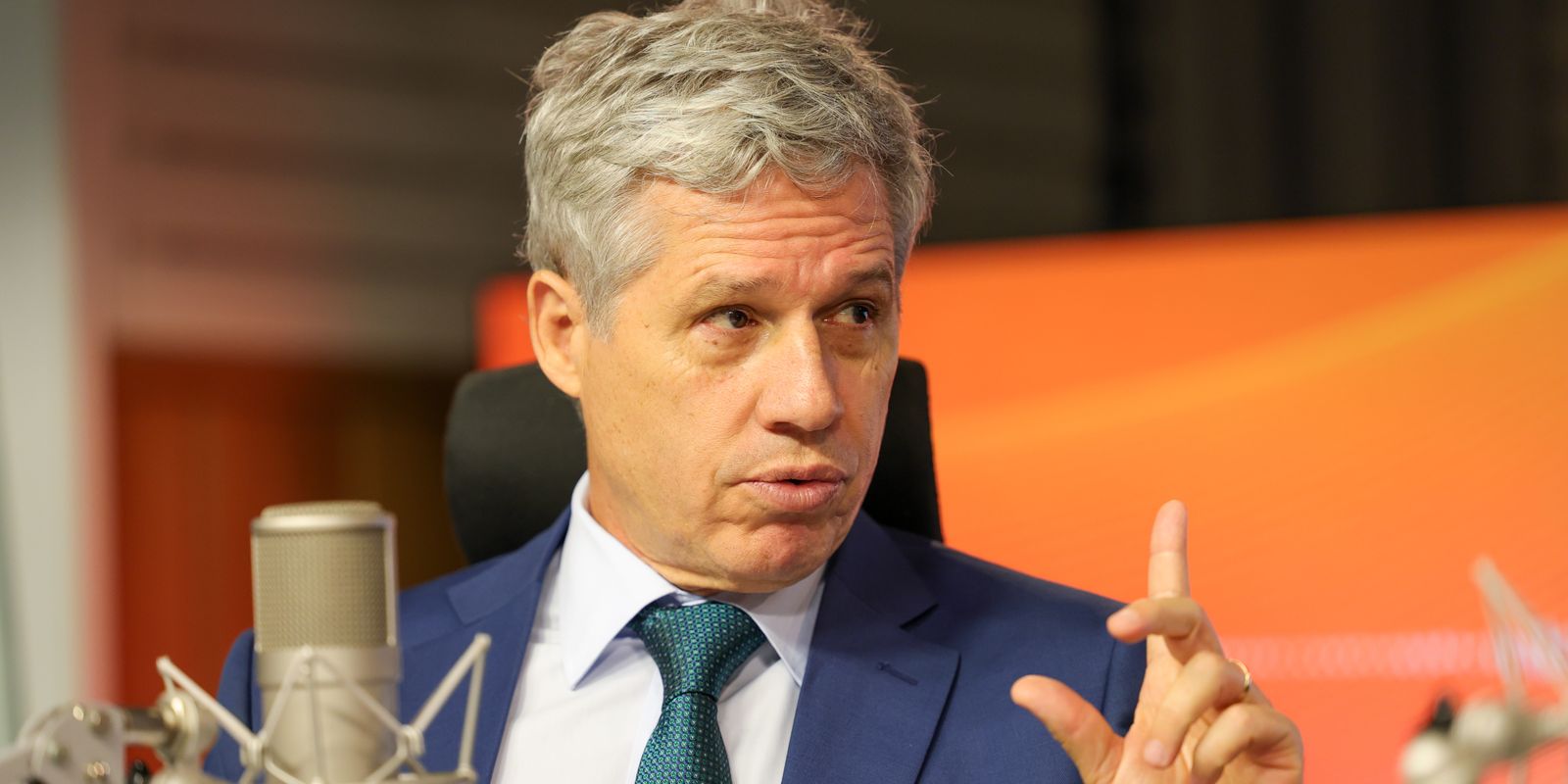
The minister participated this Tuesday (20) in the program Bom Dia, Minister, produced by Brazilian Communications Company (EBC).
“Family farming will gain a lot from this agreement”, highlighted the minister, remembering that coffee production in the country is predominantly carried out by family farmers. “They will now be able to sell the coffee they have already processed without taxes,” said the minister.
Paulo Teixeira said that the opening of new markets ended up being stimulated by the imposition of tariffs by the United States. “This opened up the European consumer market, which is a rich market. Europeans are rich and will be able to buy various products from family farming.”
“In addition to coffee, there are fruits. Açaí, for example, is booming all over the world. We also have mangos, grapes, melons. Family farmers will be able to sell their products in Europe without taxes. Family farming will boom”, added the minister.
>> Follow the Agência Brasil channel on WhatsApp
Another product with great potential to conquer the European market is Brazilian dairy products, according to Paulo Teixeira. “We will need to produce more dairy products to export. We have a large cheese market. Including cheeses from Minas Gerais, which are very famous in the domestic market and which could also be sold to the foreign market.”
“We will have to buy French cheese, but we will be able to export cheese from Minas Gerais to France. We have to think big in this new era of agreement between Mercosur and the European Union”, he said.
He recalled that the Serra da Canastra region of Minas Gerais has cheeses that are sold as spices in Brazil, with great potential to also be consumed by Europeans.
The minister highlighted that the federal government’s investments in family farming, via the Safra Plan, have broken records, which has also resulted in an increase in sales of small machines to farmers.
“I have the honor to say that what drives the machinery industry in Brazil today are the small machines of family farmers. Family farmers are selling more products because they have improved income in Brazilian society. With this improvement in income, the first investment the family makes is in food”, argued Paulo Teixeira.
According to the minister, the Brazilian Export and Investment Promotion Agency (Apex) can help family farmers in the search for new markets, including with the help of agricultural attachés from the Ministries of Foreign Affairs and Agriculture, Livestock and Supply.
Ads
The Minister of Agrarian Development and Family Agriculture anticipated that, soon, President Luiz Inácio Lula da Silva will announce public policies aimed at “transferring knowledge and knowledge from Embrapa” to family farming, especially for young people who remain in the countryside to produce food for Brazil and the world.
“We want to encourage young people who are already in agriculture to seek out scientific institutions, such as universities and Embrapa, which increasingly make their knowledge available to family farming”, added the minister.
Another piece of information anticipated by the minister during the program is the land expropriation package, scheduled to be announced this Friday (23) by President Lula during a meeting with the Landless Rural Workers Movement (MST), in Salvador.
“We will have a big delivery on Friday, during this meeting. There, Lula should announce a large package of expropriations for agrarian reform in Brazil. What we are looking for is peace in the countryside, and agrarian reform is the way to achieve peace in the countryside”, he said.
According to Teixeira, this package includes, in addition to land, credit, technical assistance, guidance and the possibility of organization by cooperatives. “You will also have access to public purchasing programs.”