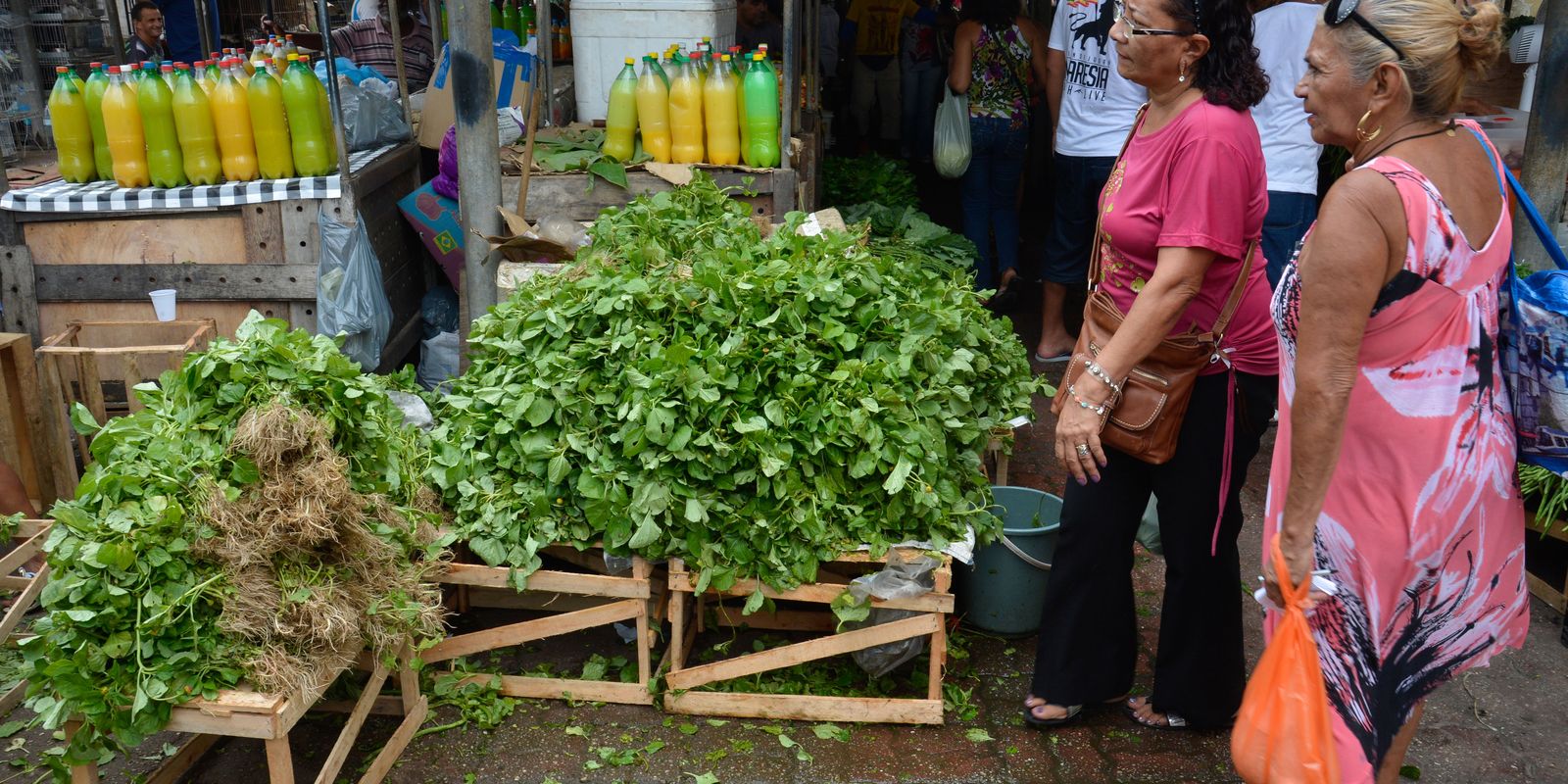
More than food supply centers, throughout Brazil, municipal markets tend to be places where the population finds fresh products at competitive prices and which disseminate traditional local cuisine, at the stalls and restaurants that operate in these consumption areas. On the other side of the counter, small farmers have the opportunity to sell what they produce directly to the consumer.
To increase the number of municipal markets in locations with low development rates, greater socioeconomic vulnerability and infrastructure deficits, the Ministry of Integration and Regional Development (MIDR) launched, this Wednesday (8), the Mercado do Povo program, which foresees the installation of 136 modular units in various locations across the country.
The initiative aims to support family farmers and small producers in the region, boost the region’s economy, generate employment and income, promote food security, in addition to expanding the population’s access to spaces suitable for selling food.
The Minister of Integration and Regional Development, Waldez Góes, comments that the government action to create the People’s Market complements the federal support given to local food producers.
“A clean, safe and healthy business environment, where family farming can sell what it produces and supply Brazilian communities.”
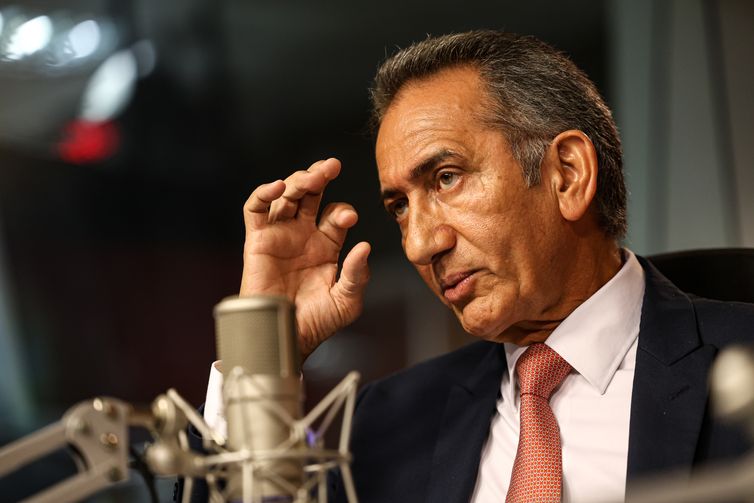
Brasília (DF), 08/28/2025 – Minister of Integration and Regional Development, Waldez Góes, says that the initiative aims to support family farmers and small producers in the region, boosting the region’s economy. Photo-file: Marcelo Camargo/Agência Brasil – Marcelo Camargo/Agência Brasil
Structure
The 136 municipal markets of Mercado do Povo, which will be built in different regions of the country, will have a modular structure.
The facilities will be prefabricated and will have shops, cafeterias, offices, restrooms and circulation areas.
The amounts allocated to the construction of municipal markets vary depending on the size of the municipality: from R$5.2 million for cities with up to 20 thousand inhabitants, reaching R$20.5 million for those with a population above 100 thousand inhabitants.
Accession
Interested municipalities will be able to join the program through the Price Registration Minute (ARP), within the Price Registration System (SRP) which is integrated into the Purchasing Portal of the federal government.
First, the city hall must send a letter to the Special Advisory for Parliamentary and Federative Affairs (Aespar)indicating the municipal market model of interest, according to the number of inhabitants.