Some 180,000 Guantanamo residents are affected by pumping failures, lack of electrical energy and water quality problems.
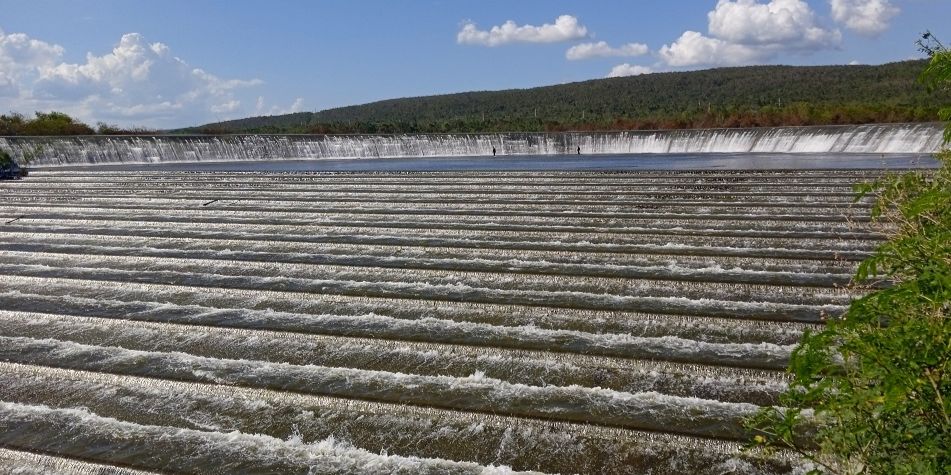
LIMA, Peru – Although the reservoirs in Guantanamo reached “historic levels” of filling after Hurricane Melissa, Guantanamo residents are still unable to access the water supply.
A report from the state media we will win recognizes the situation as “paradoxical” and warns that 180,000 Guantanamo residents are affected by pumping failures, lack of electrical energy and water quality problems.
“The impact of Melissa in the 10 municipalities of the province was beneficial, since we were going through a very intense drought and all the reservoirs accumulated a significant level of water today, 95% of their filling capacity,” highlighted Lexis Suárez Ramírez, provincial director of Aqueduct and Sewerage.
According to the manager, the municipalities most affected by water supply are El Salvador, Niceto Pérez and Manuel Tames. In these territories, the supply depends almost exclusively on pumping, and electrical blackouts paralyze these systems.
Guantánamo has 176 supply systems, 88 gravity systems and 88 electric pumping systems. In the first ones there were damages to four drivers who were quickly restored and providing services.
Due to the impact from Hurricane Melissa Many electric pumping equipment were evacuated. “Of the 88 systems, only 73 are active, 15 pumping stations remain inoperative due to lack of electricity, which affects more than 15,000 inhabitants,” explained Suárez Ramírez.
Likewise, provincial authorities admitted the adoption of an “alternative service while electricity is restored.”
Although the system includes the supply of 101 communities (with more than 15,000 residents) through tanker trucks (pipes), supply cycles can take between 15 and 20 days.
Before the cyclone hit, water resources specialists in Cuba assured that 99% of the national territory was affected due to meteorological drought. It was the driest period on the Island since 1901.
For its part, the lack of precipitation in the eastern region of the Island had caused what specialists described as “the most severe drought in the last decade” in Santiago de Cuba. In the head municipality of that province alone, nearly half a million inhabitants were affected by water scarcity.