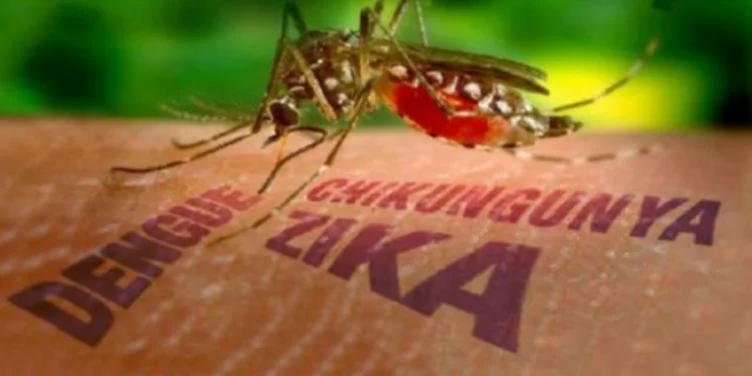
Havana/In addition to converting University of Medical Sciences In a field hospital, the Matanzas authorities have involved 2,500 students from that center in the battle against the arbovirus epidemic that the province is experiencing. As reported this Saturday by the official press, the rates of patients with chikungunya and dengue remain high.
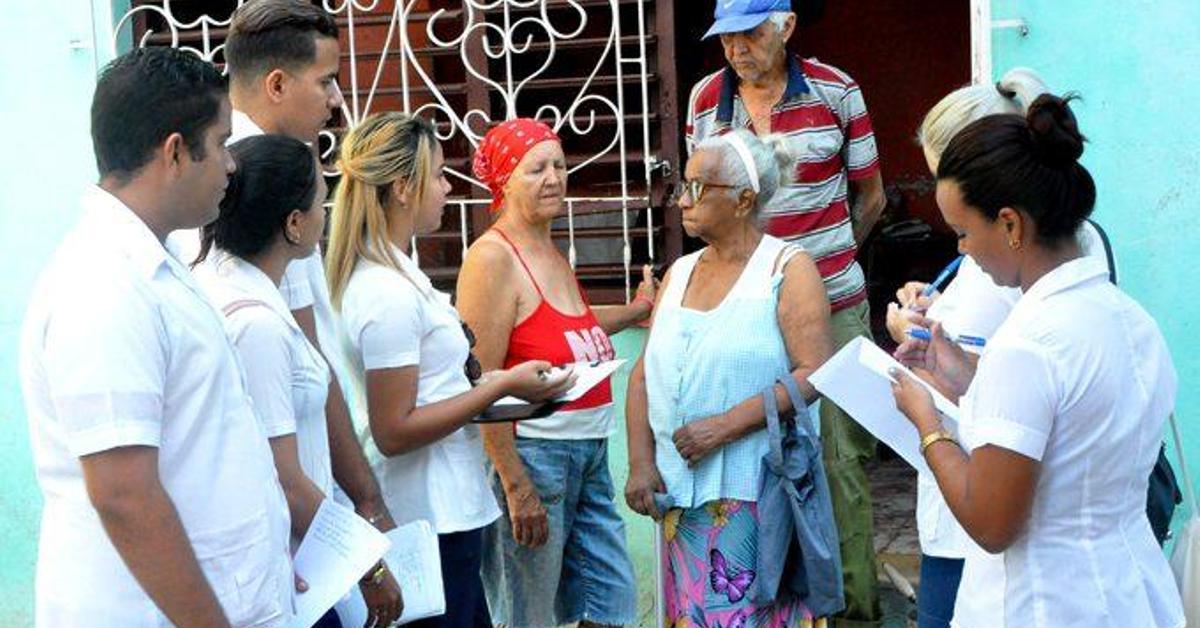
The university students are in charge of carrying out “non-technical” investigations and reviews in the risk areas, which have already expanded throughout the 13 municipalities of Matanzas. The objective, explained the newspaper Gironis to identify “patients with subjective symptoms or signs of arbovirosis to subsequently inform the Basic Health Team, in addition to the detection and elimination of possible environmental risks and mosquito breeding sites within homes.”
“It is necessary to emphasize that the presence of students in these missions is not new and is part of the basic training curriculum, specifically in the section of integrated community work,” the university rector clarified to the local newspaper, aware of the criticism generated by sending students to tasks of this type to the detriment of teaching hours and their own health.
Regarding the situation in the province, Public Health announced that, as of Friday, 43% of the 543 beds available in medical centers throughout the territory were occupied to care for those infected with arbovirus. However, a previous official statement had confirmed that the Eliseo Noel Caamaño Provincial Pediatric Hospital, in the capital city, is 100% full with hospitalized children.
The first secretary of the Communist Party also reported that intensive fumigation has been carried out in areas such as Pueblo Nuevo
The first secretary of the Communist Party also reported that intensive fumigations have been carried out in areas such as Pueblo Nuevo, where the number of infections is highest, and that “the personnel prepared for active investigations has increased.”
Although the rainy season is approaching its end, viruses transmitted by mosquitoes have experienced their peak spread in recent weeks and, what began as a particular situation in Matanzas, has now spread to the entire Island. “Dengue cases have increased in recent days. In the country it is known that there are cases of oropouche and patients with fever and symptoms that may be chikungunya are being evaluated. Of the latter, until the moment, in Las Tunas “No suspicious case has been diagnosed or defined,” he told Newspaper 26 the director of the Provincial Center of Hygiene, Epidemiology and Microbiology of the province.
According to the specialist, in the territory “the epidemiological situation is stable”, although he acknowledged that “there are people with fever and other symptoms who do not go to health institutions, which limits their registration.”
In GuantanamoHowever, the situation is more “complex,” acknowledged the authorities, who, however, described it as fake news the comments of possible deaths in the province caused by viruses.
“Since the end of August, and as historically happens at this time of year, there has been an increase in mosquito infestation and consequently in febrile cases. The situation has become more complicated in recent days, after the occurrence of intense rains that cause an increase in outbreaks and the occurrence of arbovirus transmission. The risk of transmission is there,” Leonel Heredia Carpintru, deputy director of the Provincial Hygiene Center.
In Santiago de Cuba, “circulation of chikungunya with low incidence is reported, as is Oropouche fever; dengue presents outbreaks in some territories
In Santiago de Cuba “circulation of chikungunya with low incidence is reported, as is Oropouche fever; dengue presents outbreaks in some territories. This last disease continues to be complex in the municipalities of Palma Soriano and Santiago de Cuba, but the risk of increasing cases is present in the rest of the territories due to the infestation rates of the Aedes aegypti“, the authorities declared this Sunday.
Interviewed by Sierra Maestrathe provincial director of Hygiene described the health situation as “very negative” and highlighted that the rains of recent weeks and the shortage of drinking water favor the appearance of stagnant water deposits that can become breeding grounds for mosquitoes.
The call to take precautions, keep drinking water containers clean, take care of domestic hygiene and go to hospitals if you present symptoms is repeated in all epidemiological reports. However, the authorities’ claim contrasts with the constant exposure of the population to the gigantic landfills that form in the cities and the lack of basic resources to confront viruses, from the lack of food to the disappearance of medicines in hospitals and pharmacies.