Monitoring the social media of the mediator of the negotiation between the United States and Iran reveals that, in a period of 48 hours, talks about the limits of Iran’s nuclear program experienced a turnaround, which ended with a military offensive and hundreds of deaths.
The attack by the United States and Israel on Iranian cities this Saturday (28) takes place amid rounds of meetings between representatives of American President Donald Trump and Iran’s supreme leader, Ayatollah Ali Khamenei.
For years, countries have discussed the limits of Iran’s nuclear program. While Iran maintains that it is for peaceful purposes, the United States and some allies, most notably Israel, accuse it of military purposes.
Agreements
In 2015, then-American President Barack Obama, of the Democratic Party, signed an agreement with the Iranians, which would accept the limitation of uranium enrichment capacity in exchange for relief from economic sanctions.
The level of uranium enrichment can determine whether a nuclear program is peaceful or not.
Donald Trump, from the Republican Party, Obama’s opponent, assumed his first term as president in 2017 and, in the second year, 2018, withdrew the country from the agreement with Iran.
But, in 2025, the first year of his second term, Donald Trump once again signaled to Iran the need for a new agreement.
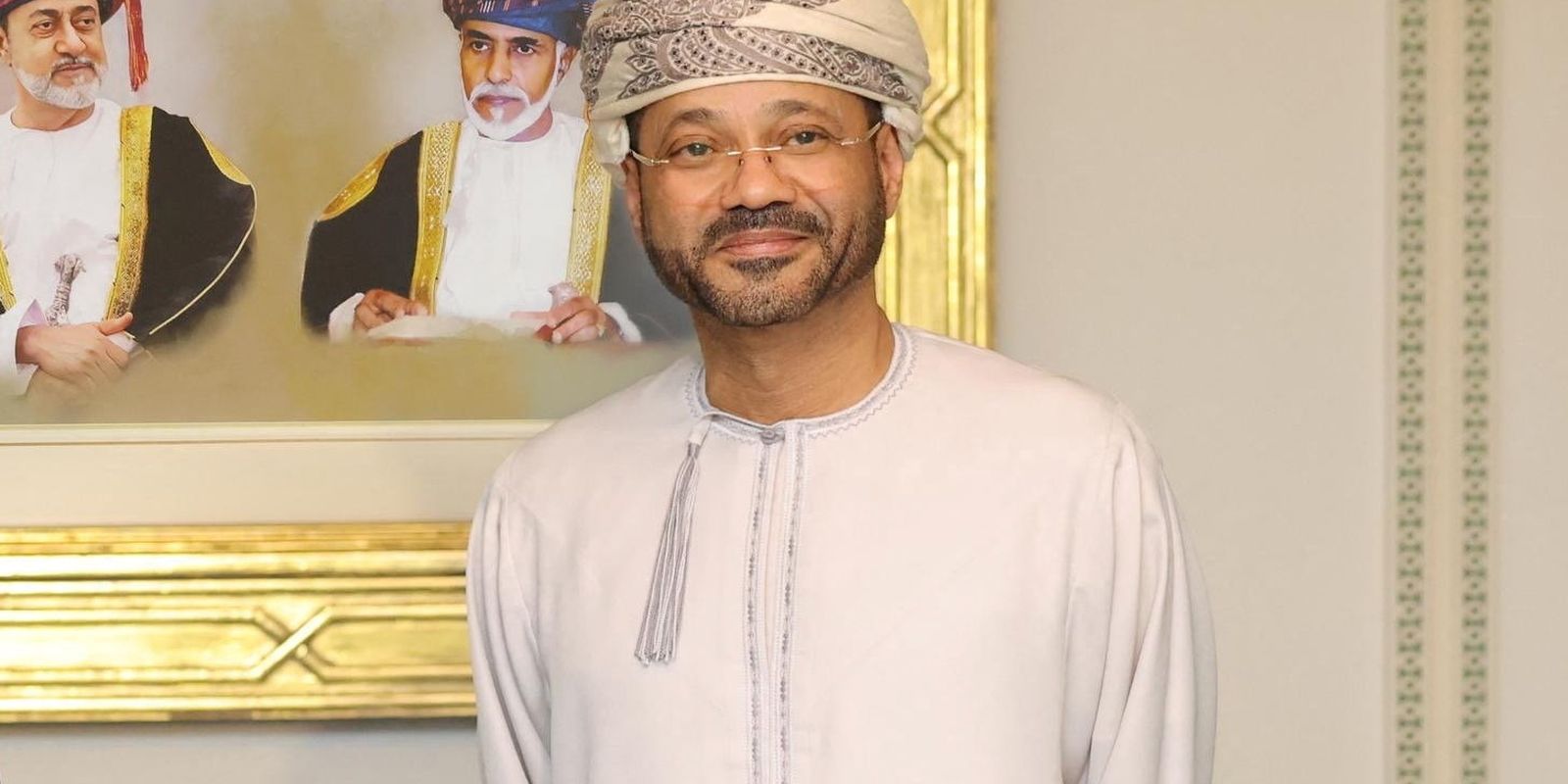
Amid pressure and the threat of war, the Middle Eastern country returned to the negotiating table, which has an external mediator: Omani Foreign Minister Badr AlBusaidi.
Oman is a country in the Middle East south of Iran, separated by the Gulf of Oman, and has within its territory the Musandam Peninsula, an enclave that forms the Strait of Hormuz.
After the American attacks, the Strait of Hormuz received the spotlight from the oil industry, as around 20% of world production passes through it.
Analysts fear that Iran will block the strait, which would lead to price escalation of raw materials on the international market.
Through his profile on X (formerly Twitter), Badr AlBusaidi shows that 48 hours were enough for the hope of peace to be transformed into “consternation”.
Follow the chronology:
The mediator says he is pleased to confirm that a round of talks between the two countries will take place in Geneva, Switzerland, on Thursday (26), “with a positive momentum to go further and seek to finalize the agreement”.
The Omani minister declared that the negotiations ended the day with “significant progress”, and that the negotiators would return to their respective countries for consultations.
“Discussions at a technical level will take place next week in Vienna,” he announced.
Badr Albusaidi published a photo of a meeting with the American Vice President, JD Vance, and wrote that both shared details of the ongoing negotiations and the progress achieved so far.
“I am grateful for their engagement and look forward to additional and decisive progress in the coming days. Peace is within our reach”, he concluded.
Still on Friday (27), the mediator shared the video of an interview with the American TV network CBS News. According to him, the interview was to explain that a country agreement was within reach.
“No nuclear weapons. Never. Zero stockpile. Comprehensive verification. Peacefully and permanently. We will support negotiators to conclude the deal,” he wrote.
This Saturday, two days after saying that the negotiations had reached “significant progress” and the following day having stated that peace was “within reach”, the mediator declared that he was “dismayed”.
“Active and serious negotiations have once again been undermined. Neither the interests of the United States nor the cause of global peace are well served by this.”
Badr Albusaidi also wrote that he prays “for the innocent who will suffer”. “I ask the United States not to let itself be dragged any further. This is not its war”, he appealed.
Deaths
According to the Red Crescent, a civil humanitarian organization operating in the Middle East, the military offensive of the United States and Israel on Iran left at least 201 people dead and 747 injured. At a girls’ school in the south of the country, at least 85 students were killed in the bombing.