This January 13, 2026, marks one year of the federal law that restricted the use of cell phones in schools (Law No. 15,100/2025). The legislation aims to reduce distractions in the school environment, prioritize engagement in educational activities and prevent inappropriate use of electronic devices by students.
The Ministry of Education (MEC) will carry out a national survey in the first half of 2026 to analyze the developments of the law. The objective is to understand how the standard has been adopted in different education systems and what its effects are on the school environment.
The Minister of Education, Camilo Santana, assesses that restricting the use of cell phones has been beneficial for students.
“Brazilians spend, on average, nine hours and 13 minutes in front of a screen. We are the second country in the world that spends the longest time in front of a screen. This is a huge loss for children and adolescents, it causes anxiety, causes attention deficit, causes disorders, mental disorders”, highlights the minister.
The law was instituted in a context of growing concern about the effects of excessive and unregulated use of cell phones in the school environment. Data from the International Student Assessment Program (Pisa) 2022 show that 80% of Brazilian students said they were distracted and had difficulty concentrating in mathematics classes because of their cell phones.
High school student, Nicolas Lima, 15, was a little resistant to the change, but saw the advantages of a life with fewer screens.
“I realized that it wasn’t that bad. On the first day of class, I managed to make a friend, because I got closer. I also noticed that my concentration improved a lot during classes. I didn’t use my cell phone during class, but always at the end of each class when the teachers were making changes, I picked up my cell phone”, says the student.
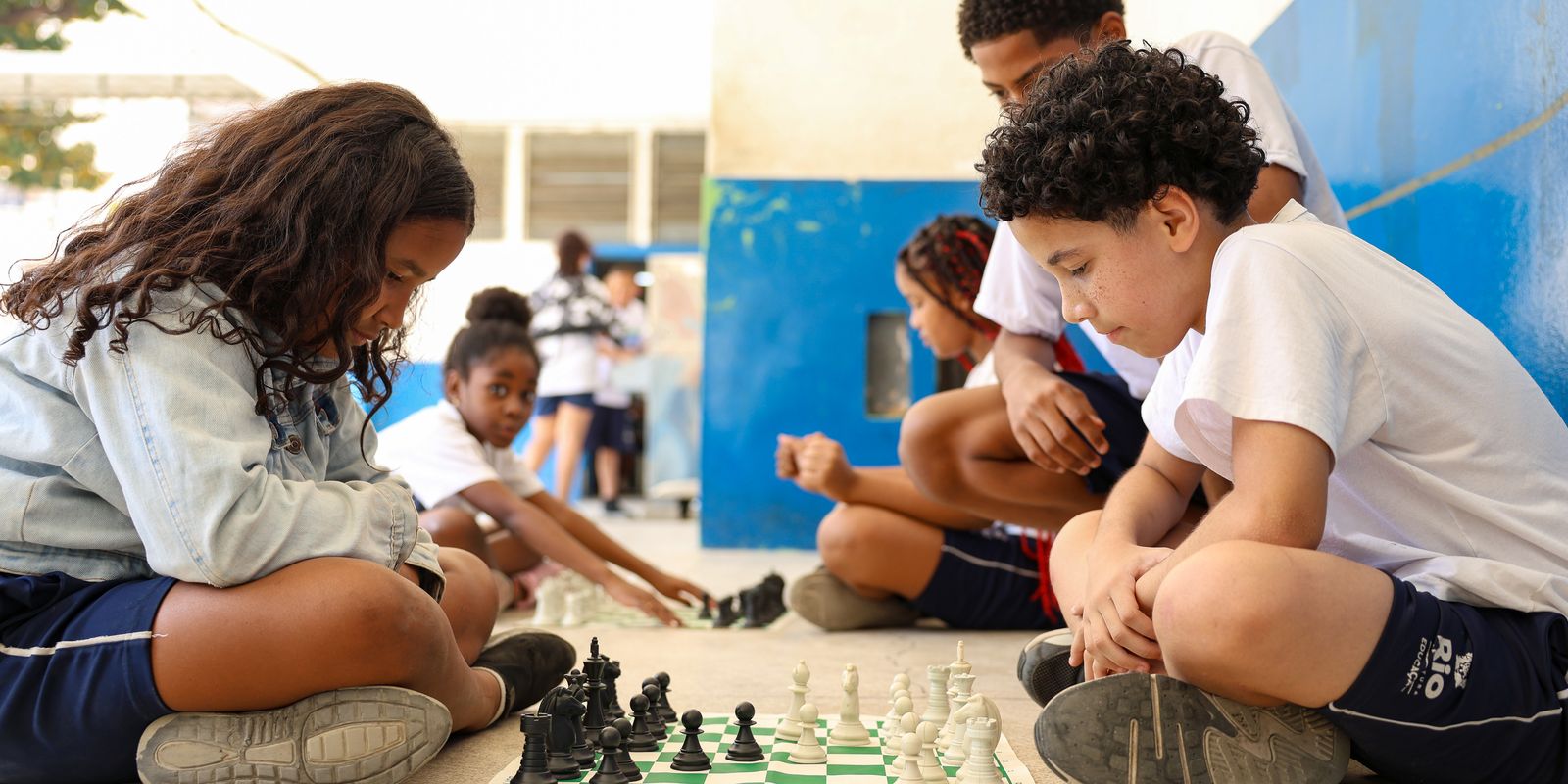
“Also, when cell phones were banned during the break, in addition to chatting with my friends, we played various games, board games, talking, looking at each other, interacting”, he adds.
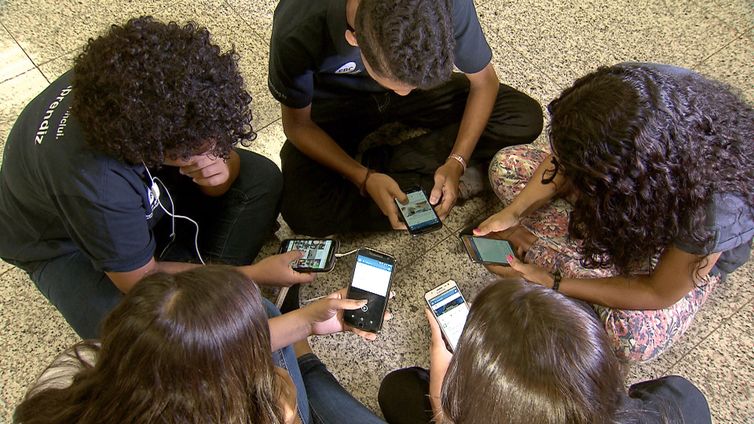
Law restricting cell phone use in schools completes one year of validity this Tuesday (13) – Photo: Archive/EBC
For digital entrepreneur and Nicolas’ mother, Cibele Lima, the adaptation was challenging at first, but rewarding.
“I was used to being able to talk to my children on WhatsApp at school, but today I see that it has improved a lot, it was good for him to realize that he can make friends, that this shyness is not a fixed condition. But it is something that can be changed when we have a different perspective and when we leave the screens. This has become very clear to me this year, this transformation, of new friendships through this ban.”
Experts report that, after restricting the use of devices, teachers noticed students were more attentive, participative and focused on activities.. The habit of just “photographing the board” became unfeasible, and students began to write, record and interact more. Master in public health and psychologist Karen Scavacini believes that cell phones can be an important ally in learning.
“The cell phone can be a very educational and powerful tool when it is used in a transdisciplinary way. It will allow you to produce content, critically read information, and is an important resource for working on media education, helping students evaluate sources, have critical reasoning, understand algorithms, identify misinformation and use networks ethically”, says the psychologist.
The MEC developed and made available tools to support the implementation of the standard, including practical guideslesson plans and support material for awareness campaigns about the responsible use of cell phones.