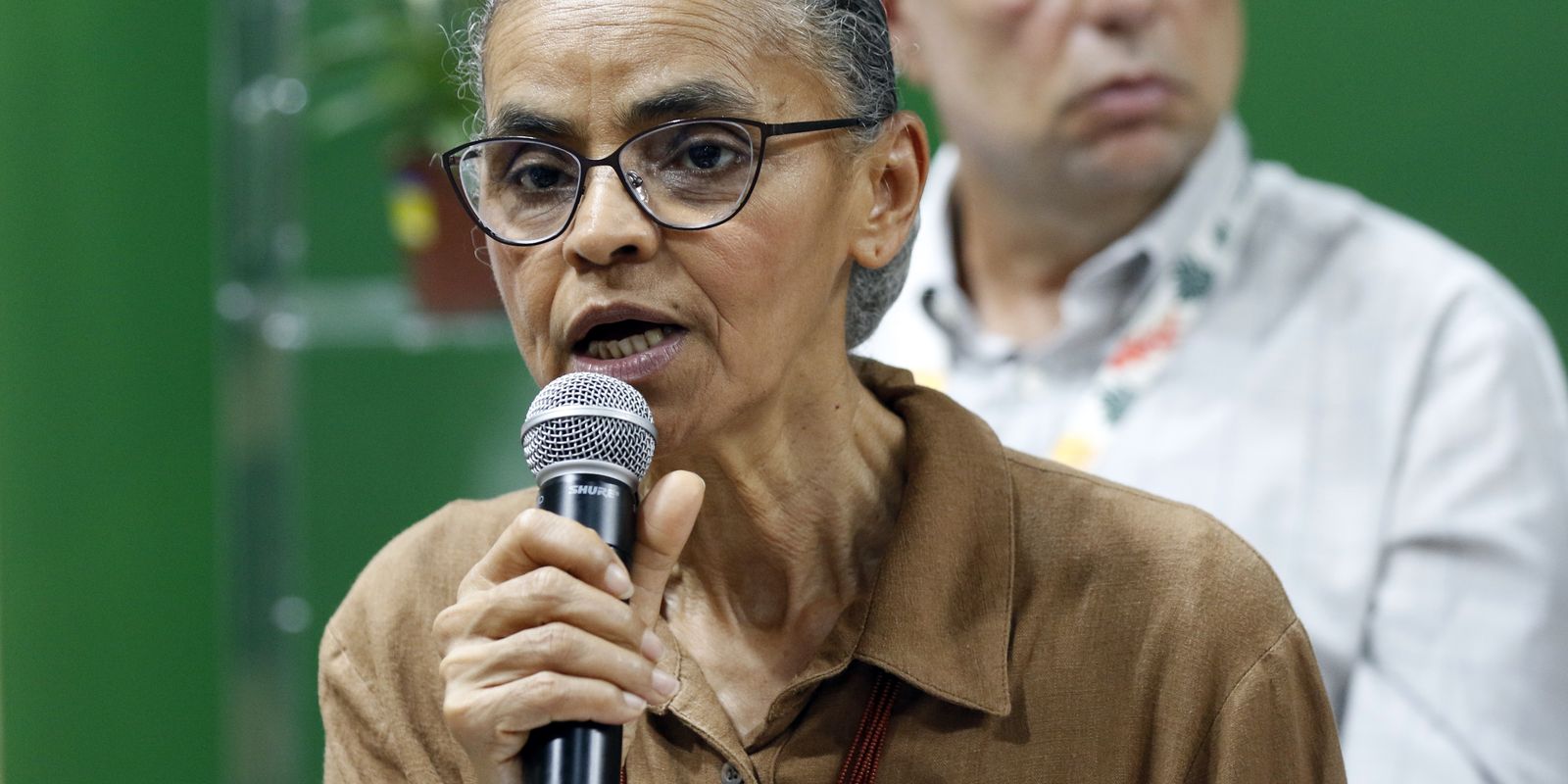
The Minister of Environment and Climate Change, Marina Silva, highlighted the achievements of COP30, which has been taking place since the beginning of November in Belém, and acknowledged that there are still challenges to be overcome.
“We have made progress, albeit modestly”, assessed the minister in a speech at the closing plenary of COP30 this Saturday (22).
The minister was moved and received a standing ovation for about two minutes.
“Even if those versions of ourselves told us that we haven’t gone as far as we imagined, it would be necessary to recognize that there is something fundamental: we are still here. And that we continue to persist in our commitment to undertake the necessary journey to overcome our differences and contradictions in the urgent confrontation of climate change”, said the minister after inviting those present to return to the versions of themselves at Rio 92.
In this edition, the Brazilian presidency of COP30 reached a climate compromise agreement that increases funding for poor nations dealing with global warming, but which omits any mention of the fossil fuels that drive it.
“Although it has not yet been possible to reach a consensus for this fundamental call to be included in the decisions of this COP, I am sure that the support it received from many parts of society strengthens the commitment of the current presidency”, said the minister.
Marina highlighted the progress made in this edition of the 30th United Nations Conference on Climate Change.
“We took a relevant step in recognizing the role of indigenous peoples, traditional and Afro-descendant communities. Just transition gained shape and voice in the presence of these segments”, he highlighted.
Furthermore, he highlighted the launch of the Tropical Forests Forever Fund (TFFF)“an innovative mechanism that values authorizes those who conserve and maintain tropical forests”, he said.
Another advance considered by the minister was the text of the Global Mutirão, which according to Marina Silva, opened “an important door for the advancement of adaptation with the commitment of developed countries to triple funding by 2035”.
“One hundred and twenty-two parties presented their nationally determined contributions with commitments to reduce emissions by 2035. Other parties are missing, but these results are fundamental gains for climate multilateralism”, he highlighted.
The Nationally Determined Contribution (NDC) is the climate action plan that each country submits to the United Nations (UN), detailing commitments to reduce greenhouse gas emissions and adapt to climate change.
“Thank you very much for visiting our home, the heart of the planet. Maybe we didn’t receive it as you deserve, but we received it in the way we think is our gesture of love for humanity and the balance of the planet”, concluded the minister.
* With information from Reuters Agency