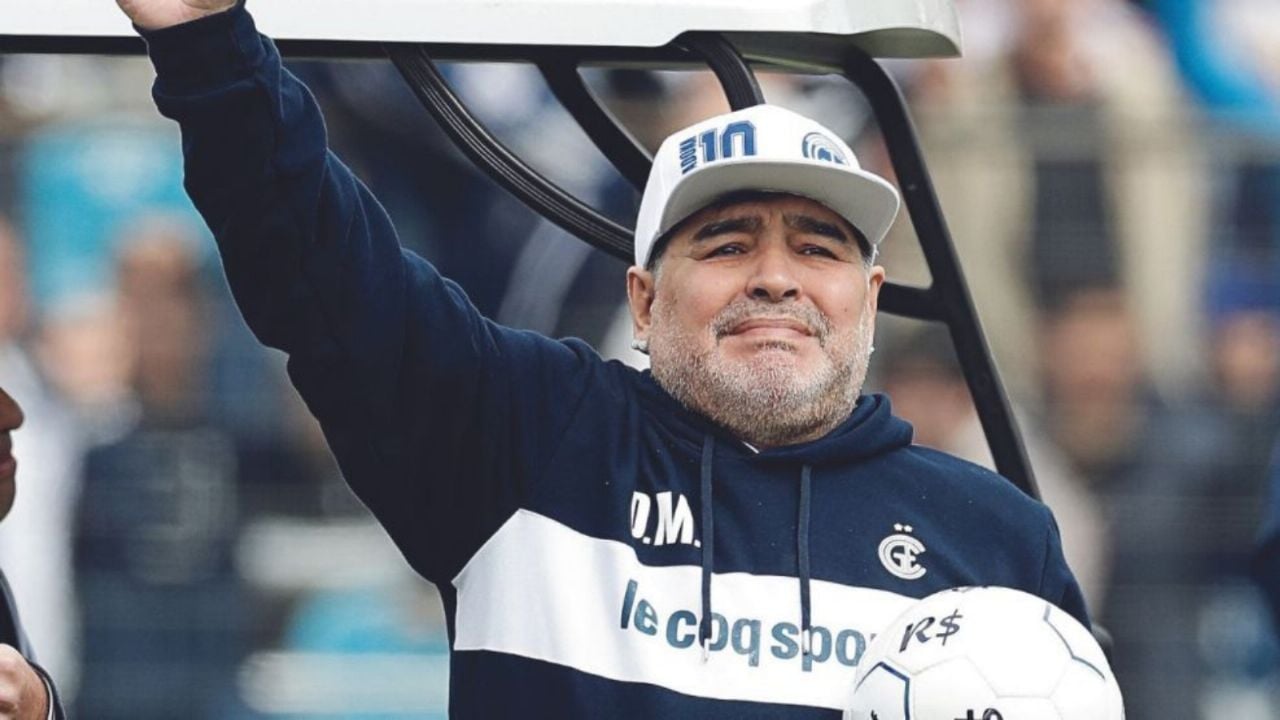
The trial for the death of Diego Armando Maradona He has captured the attention of Argentina and the world, not only because it is one of the greatest icons of football, but also for the controversies surrounding the medical decisions taken in their last days.
In the center of the debate is the neurosurgeon Leopoldo Luque, who was the trusted doctor of the star and is charged with other health professionals for the crime of simple homicide with eventual intent. The statements of several doctors in the trial have questioned Luque’s decisions, especially in relation to the operation of the subdural hematoma that was made to Maradona and the studies that the doctor rejected.
In the tenth audience of the trial, four doctors of the Ipensa Sanatorium of La Plata, where Maradona was hospitalized in November 2020, declared that the subdural bruising detected in the star did not require urgent surgical intervention.
According to the head of Neurology of the Sanatorium, Guillermo Burry, the hematoma was small and chronic, and did not represent a medical emergency. Burry said that his recommendation was to adopt “expectant behavior”, that is, treat the hematoma with medication and perform a neurological, clinical and cardiological monitoring.

Despite these recommendations, Luque decided to move to Maradona to the Olivos Clinic to submit it to surgery. This decision has been criticized, since several Ipensa professionals agreed that the clinical picture of the former soccer player did not justify an immediate operation.
Flavio José Tunessi, traumatologist of the Gymnastics and Fencing Club of La Plata and a doctor of the Ipensa, declared that the decision to operate was exclusively from Luque, who dismissed the opinions of the medical team of the Sanatorium.

Last hours
Another controversial aspect of the case is Luque’s rejection to carry out certain medical studies that could have been crucial to evaluate the health status of Maradona. Oscar Franco, a Ipensa cardiologist, declared that he had suggested to carry out a myocardial perfusion study to rule out coronary heart disease, but Luque refused, arguing that Maradona did not tolerate spending a long time in a medical institution.
Franco, however, said that the patient was receptive and that the study could have evidenced potential risks. The operation of the subdural hematoma, carried out on November 3, 2020, was successful in technical terms, but the subsequent medical monitoring left much to be desired.
Followers in Google News And in our channel of Instagramto continue enjoying the latest news and our best content.