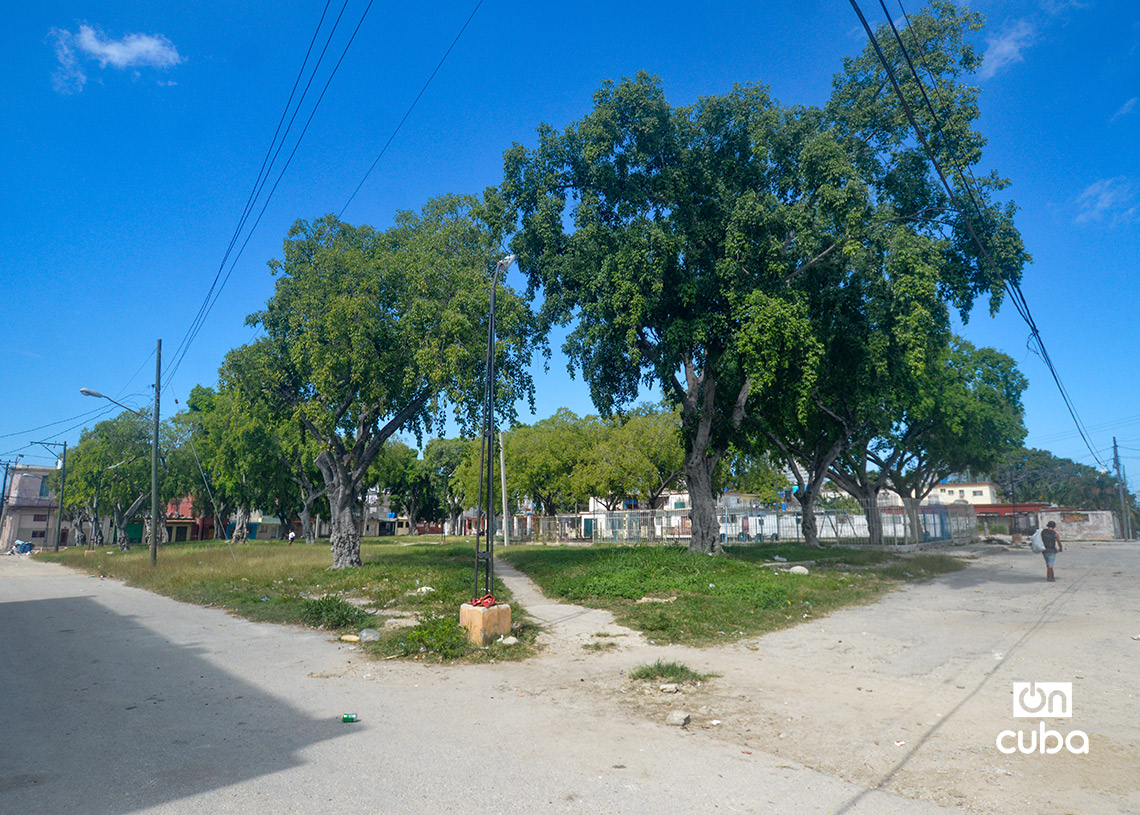
Manila Park has one of those names that seem far away for a city like Havanaboth geographically and culturally. And yet, it is a site that is part of the imagination and daily life of Havana residents, particularly in the current municipality of Cerro.
This place refers, at least in part, to the links between Cuba and the Philippines, two former Spanish colonies that became connected a long time ago. According to studies and testimonies, the name recalls the settlement in the area of some of the first Filipinos to arrive on the island, a presence that was fixed on the map with a street and a park called Manila.
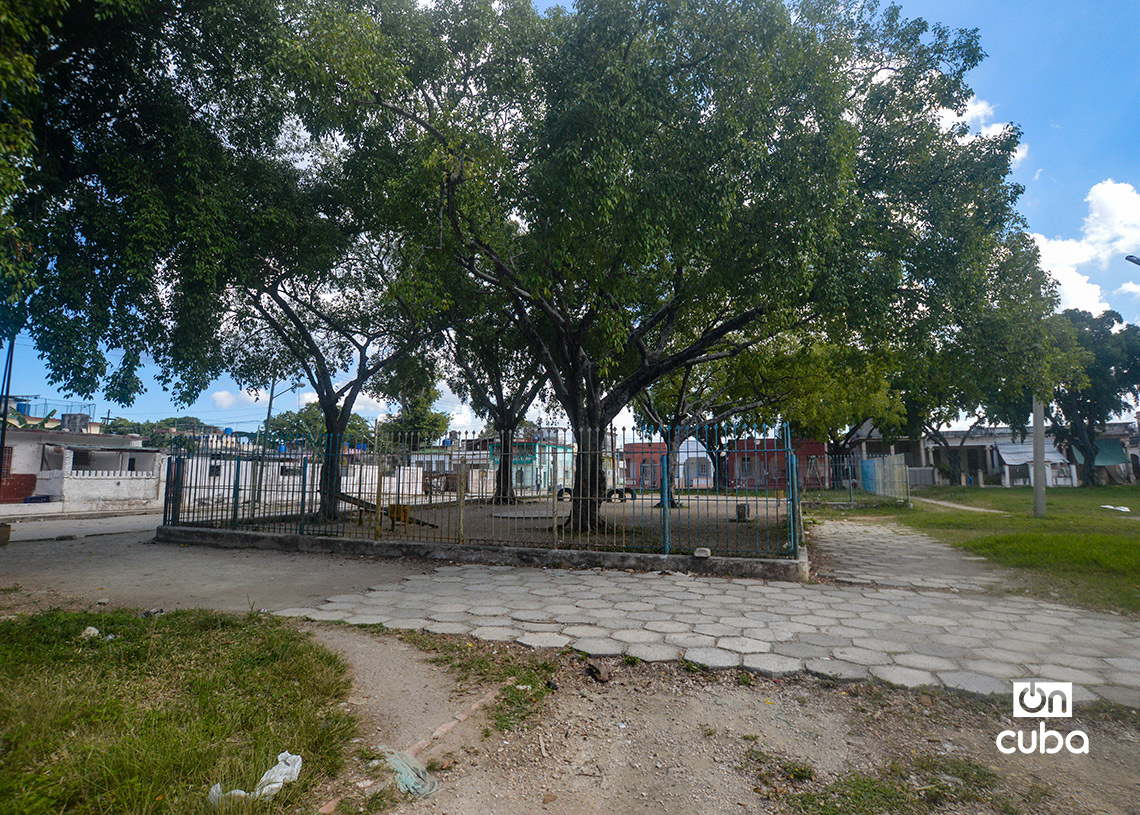
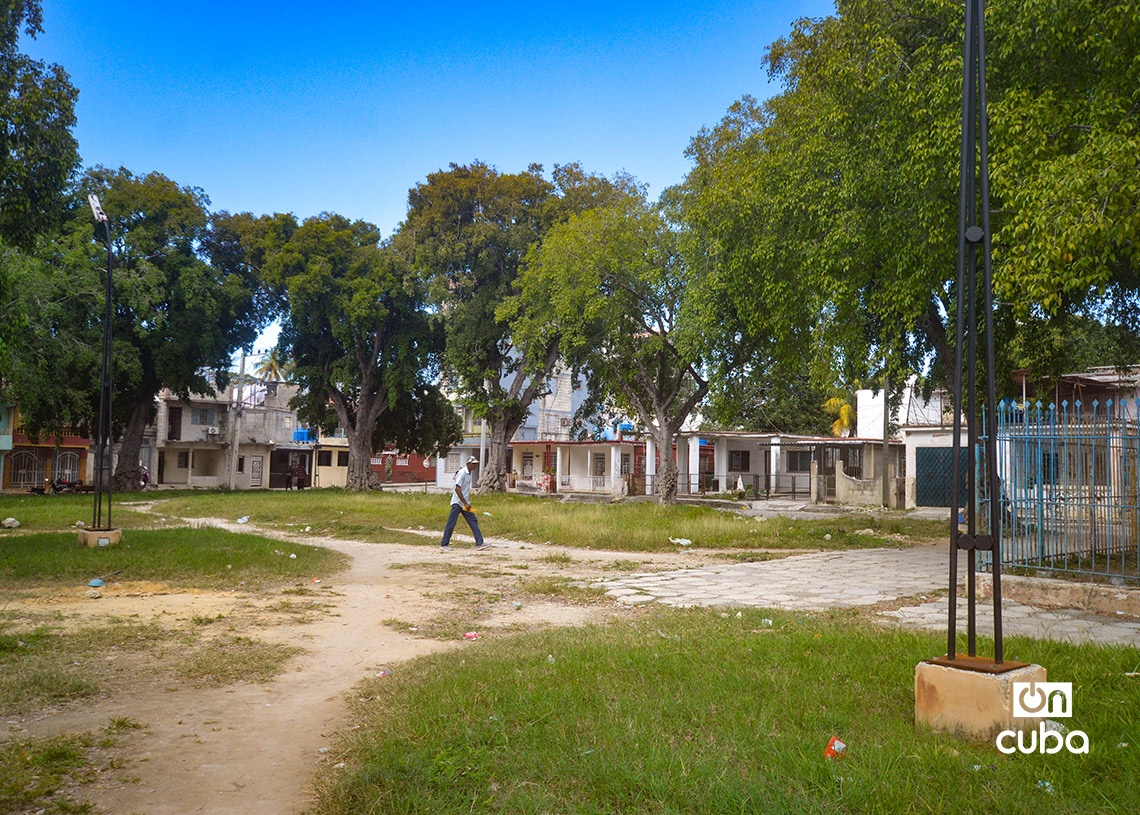
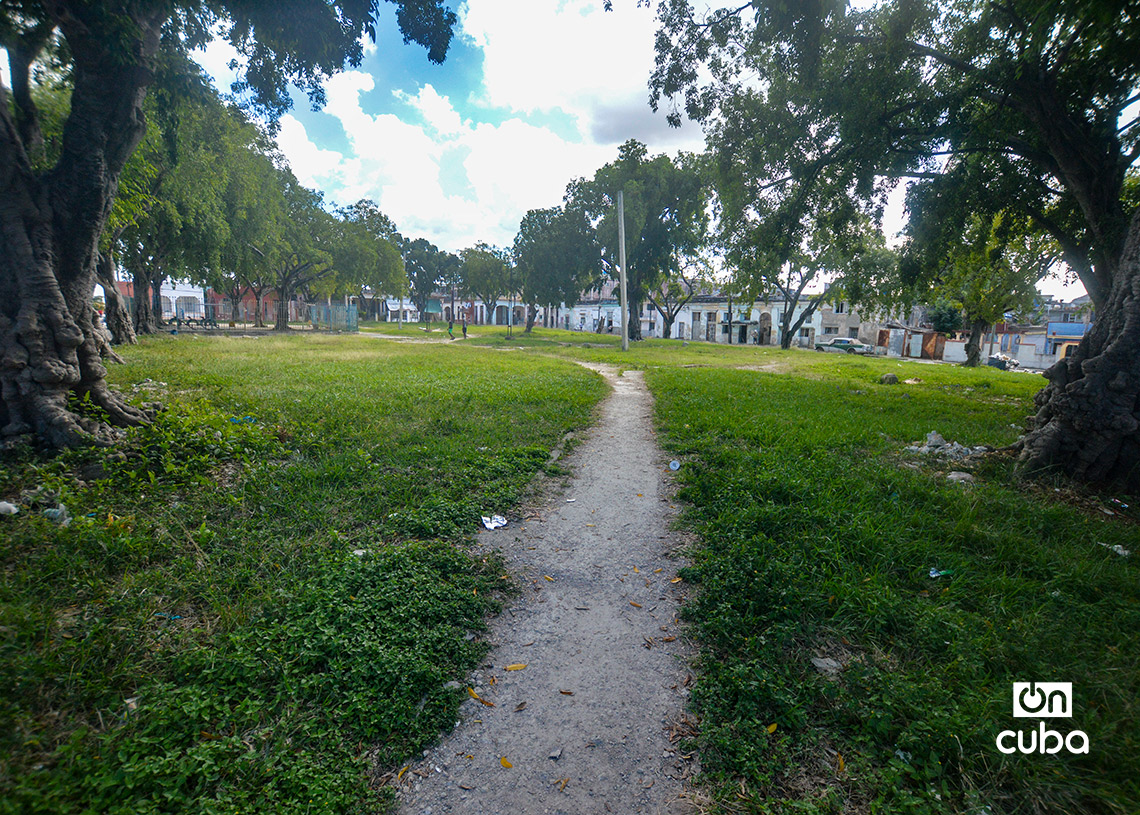
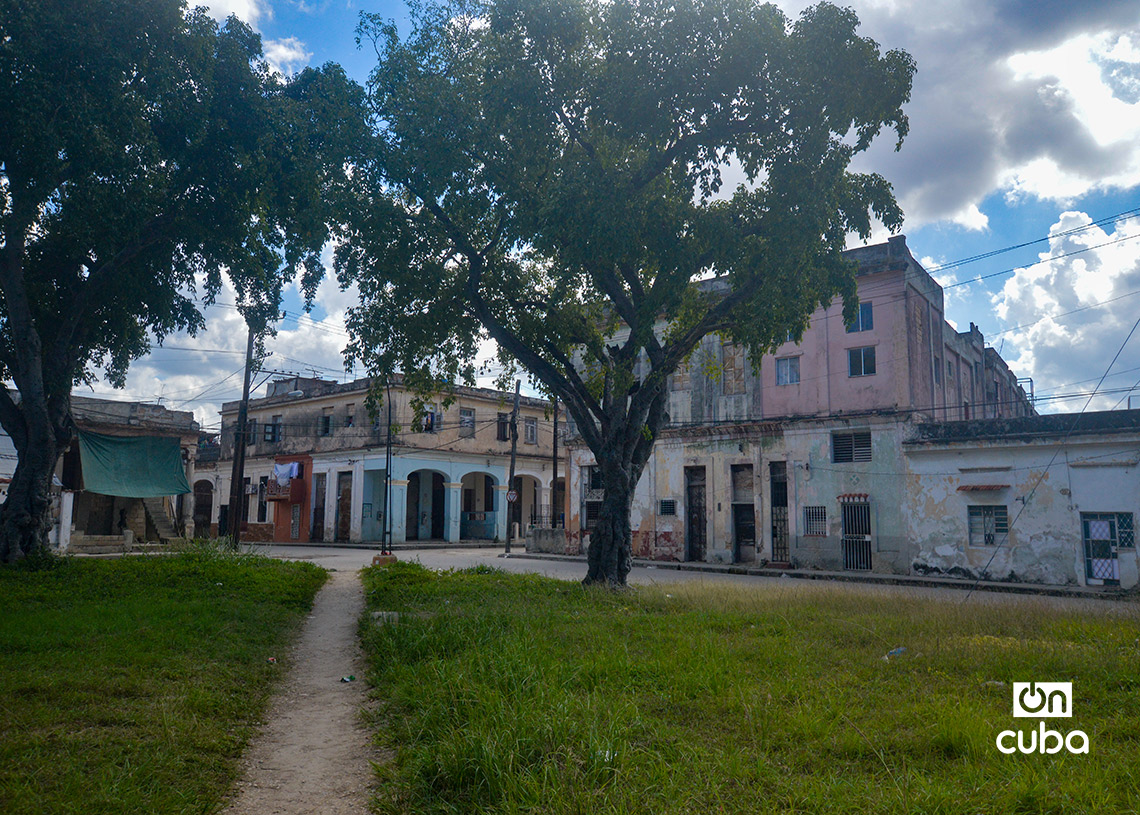
The park It is not a monumental square nor is it the type of space that appears on tourist postcards. Nor is it a place that is often mentioned as a city and heritage emblem. But it has been, for decades, an appreciated and shared scene of neighborhood life on the Hill.
It is, like others of its kind, a green respite in daily neighborhood life, between homes, buildings, schools. and the nearby pediatric hospital. It was also a reference point for Havana’s urban transportation, since at one time the buses on Route 11 left from there, heading to Jacomino, in San Miguel del Padrón, and Route 65, that reached the Bahía district, in Eastern Havana.
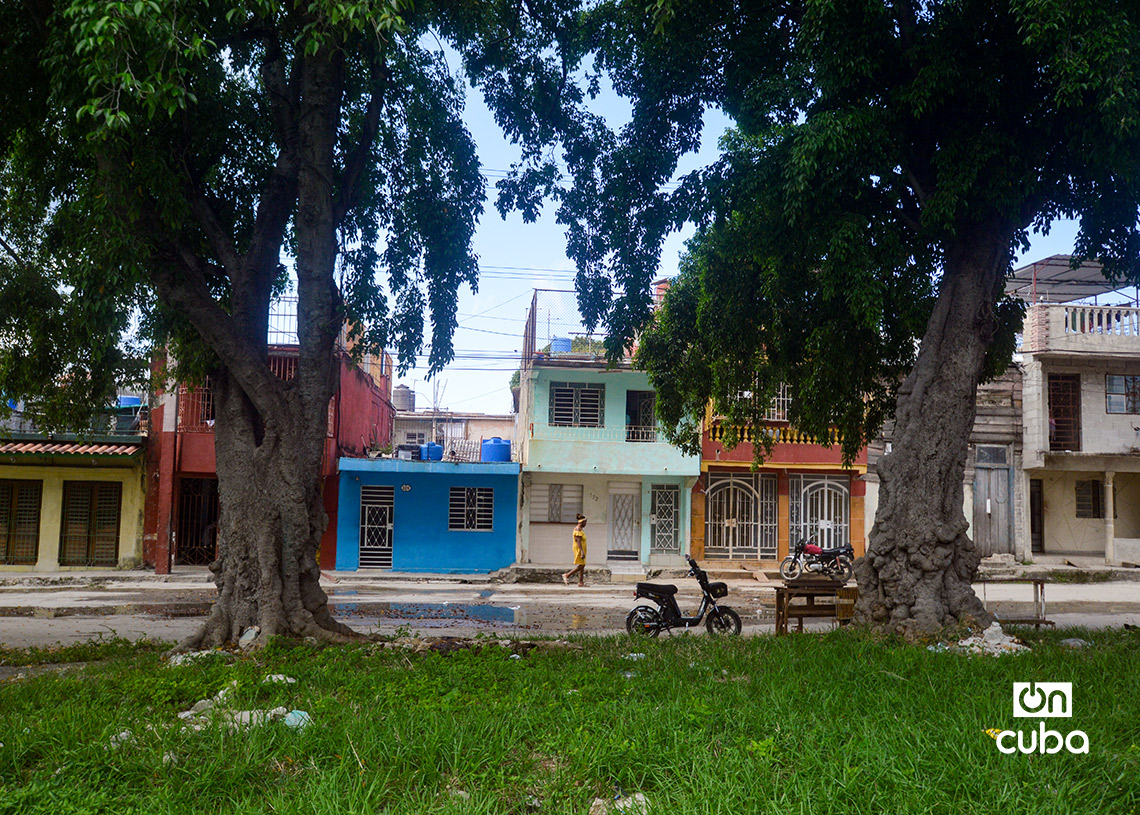
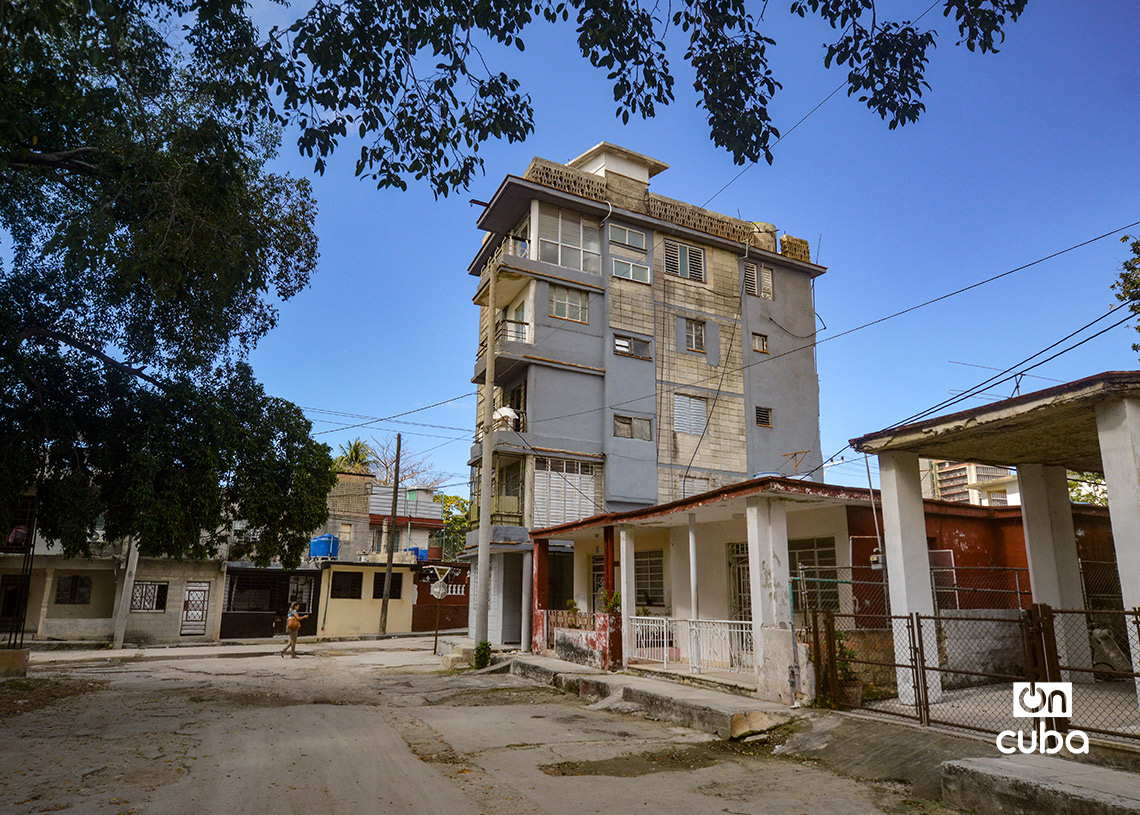
An important moment in the history of the place was the opening in 1937 of a reading room named in honor of the nineteenth-century intellectual and bibliophile Domingo del Monte. The small library on the Hill was part of a public network that brought residents closer to literary classics, magazines and newspapers, in an environment marked by the bustle and bustle of the city.
Many still remember the park associated with that library for decades. However, the narrowness and deterioration of the place led to its transfer to other sites and the demolition of the property. With this, the place lost not only a building but a center of cultural relevance and an important part of its memory.
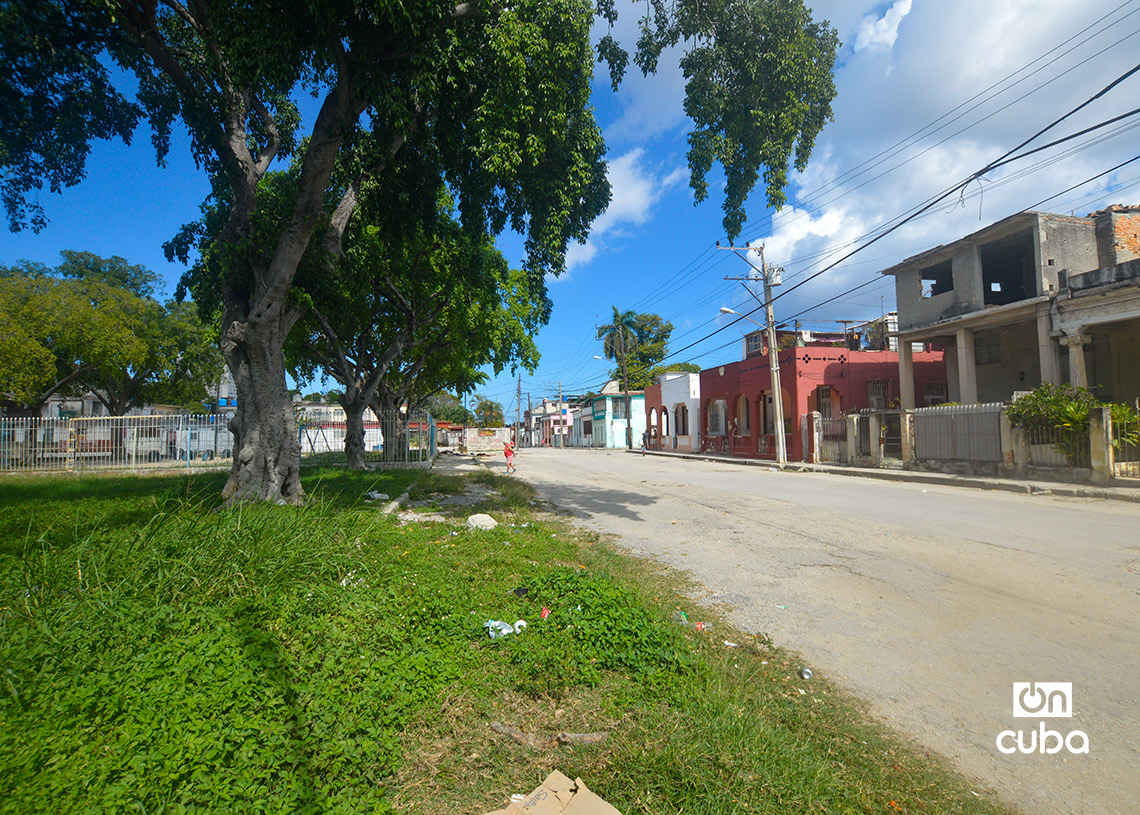
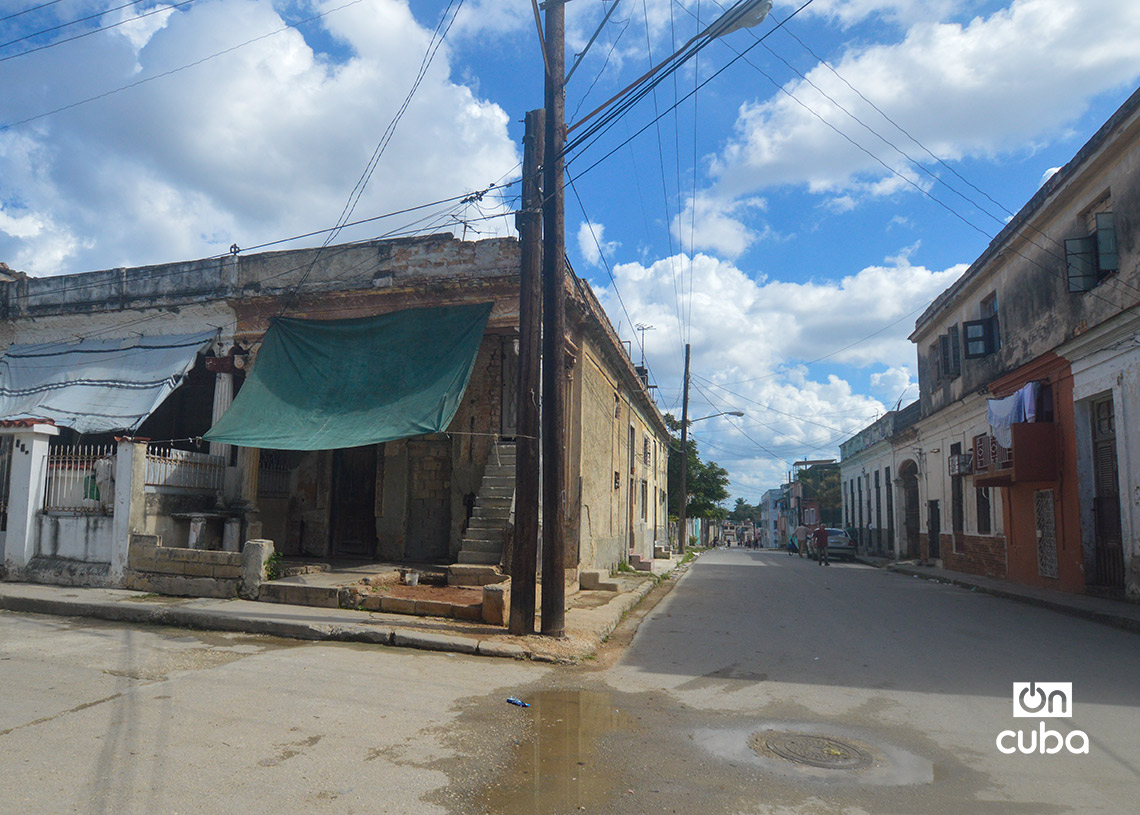
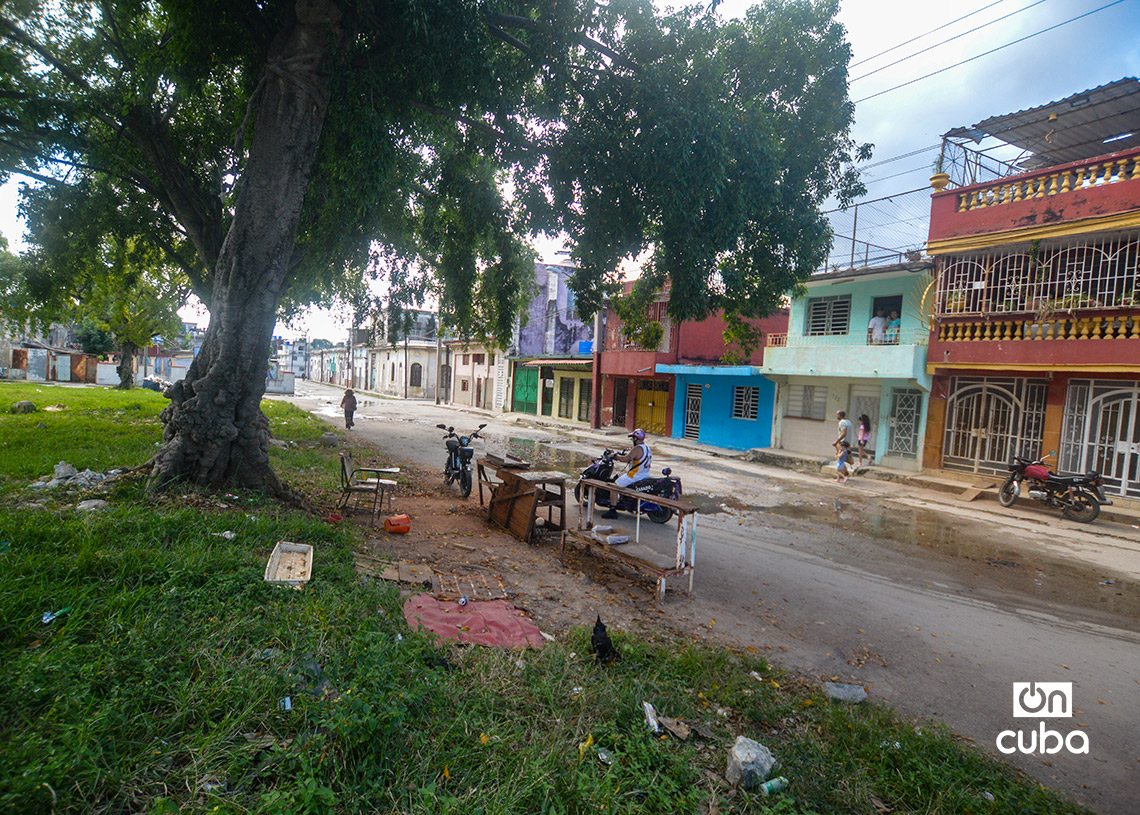
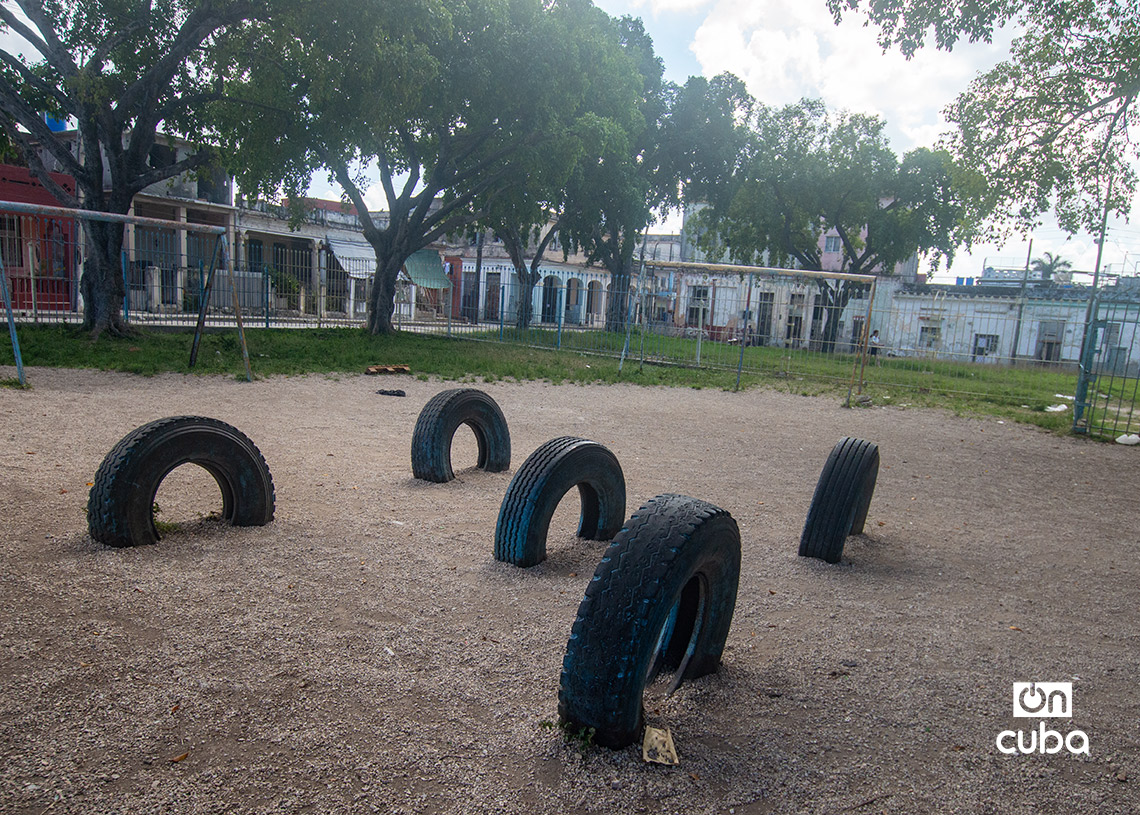
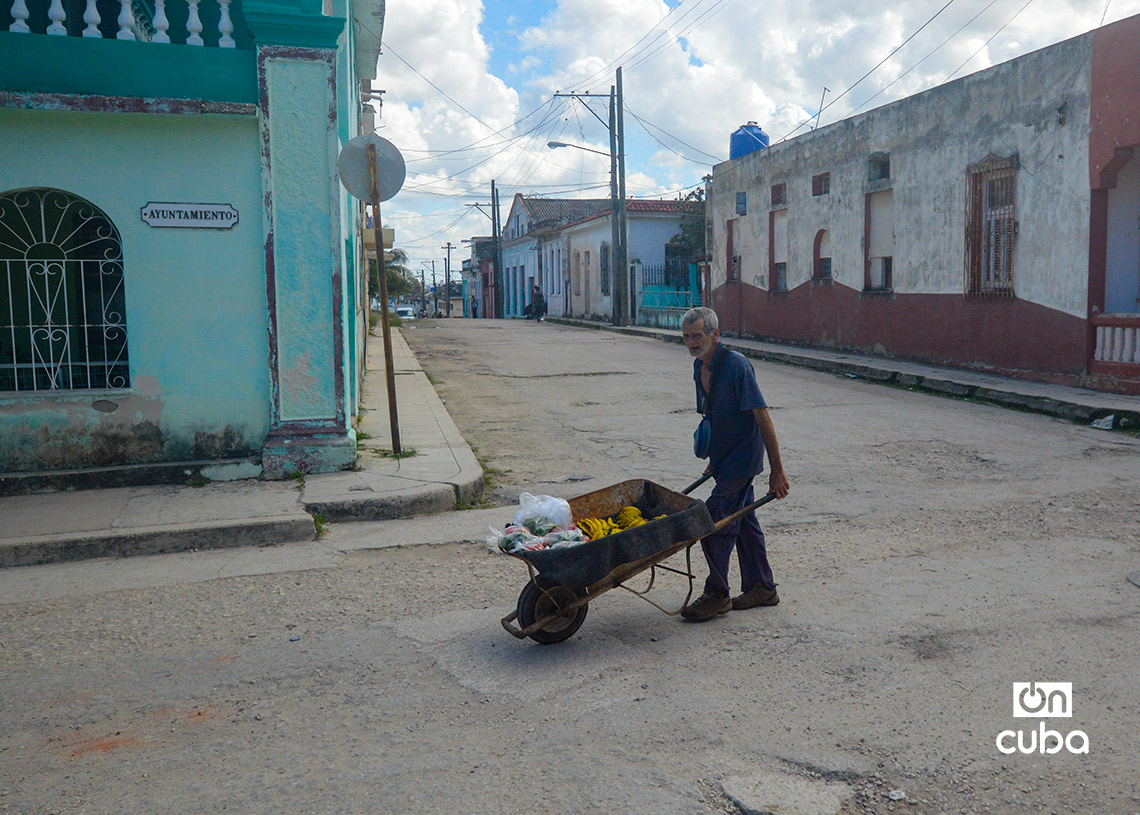
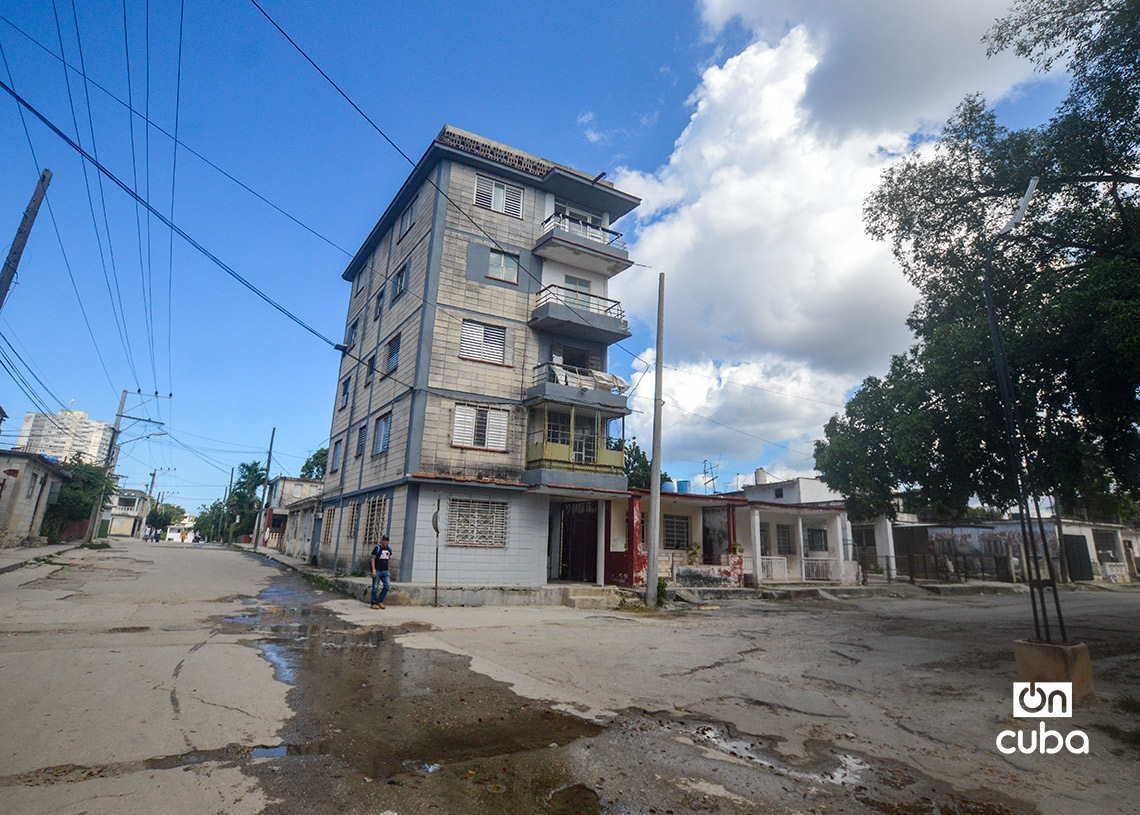
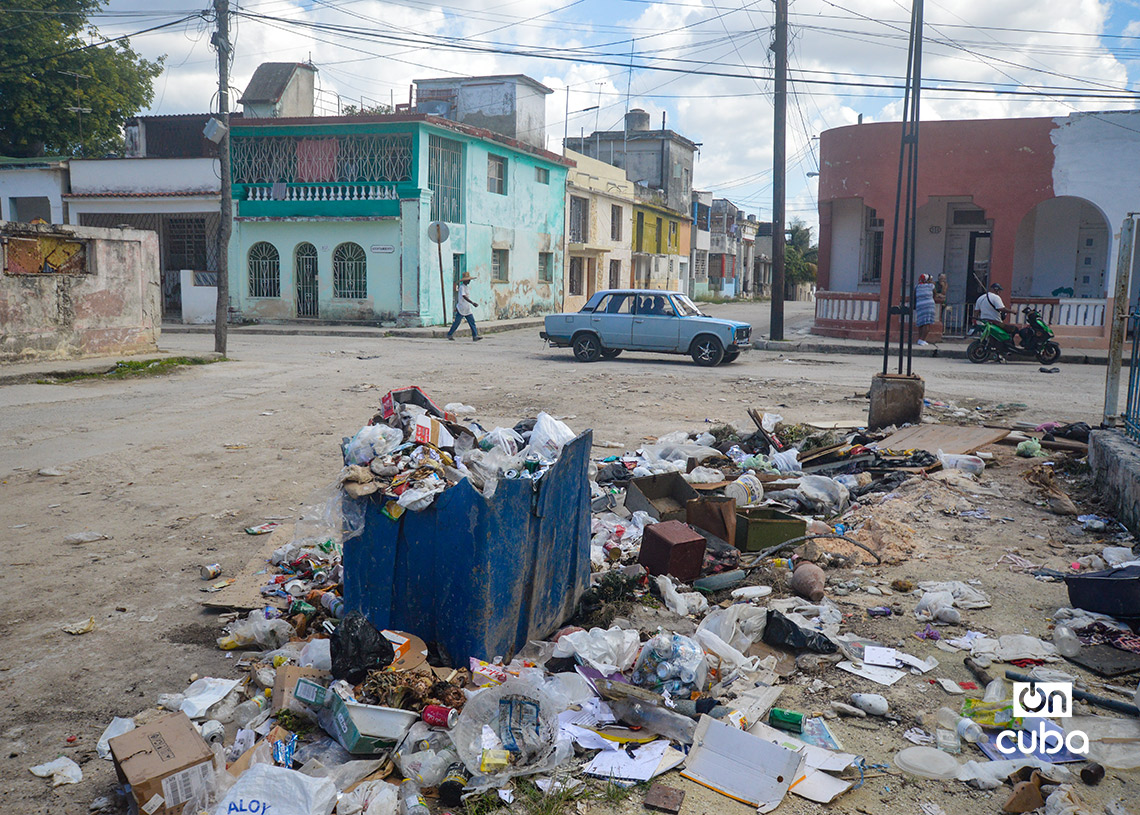
Currently, Manila Park continues to be a place of passage, daily interaction and children’s recreation in its urban environment, but – like the entire city and the country – it clearly shows the traces of the crisis, apathy and vandalism. The deterioration of streets and structures, the accumulation of water and garbage, and the visible neglect of its green areas connects with the reality of a large part of the island.
Even so, this Havana park continues to be an endearing place for its neighbors and walkers, one that is already part of the history and memories of the city, a reminder of the almost unknown Filipino footprint in Cuba and a common space that today many would appreciate being able to recover. We bring you closer to him through the photojournalist’s images Otmaro Rodríguez.