In September, Maduro sent a letter to Trump in which he rejected the drug trafficking allegations against him and opened the doors to a conversation.
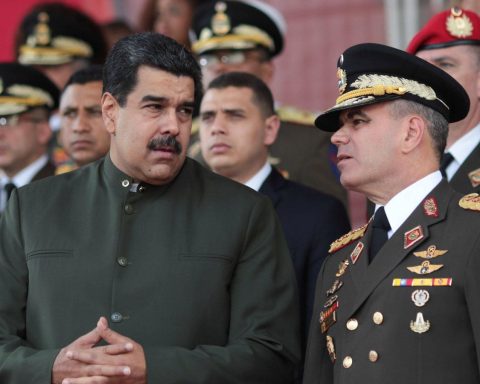
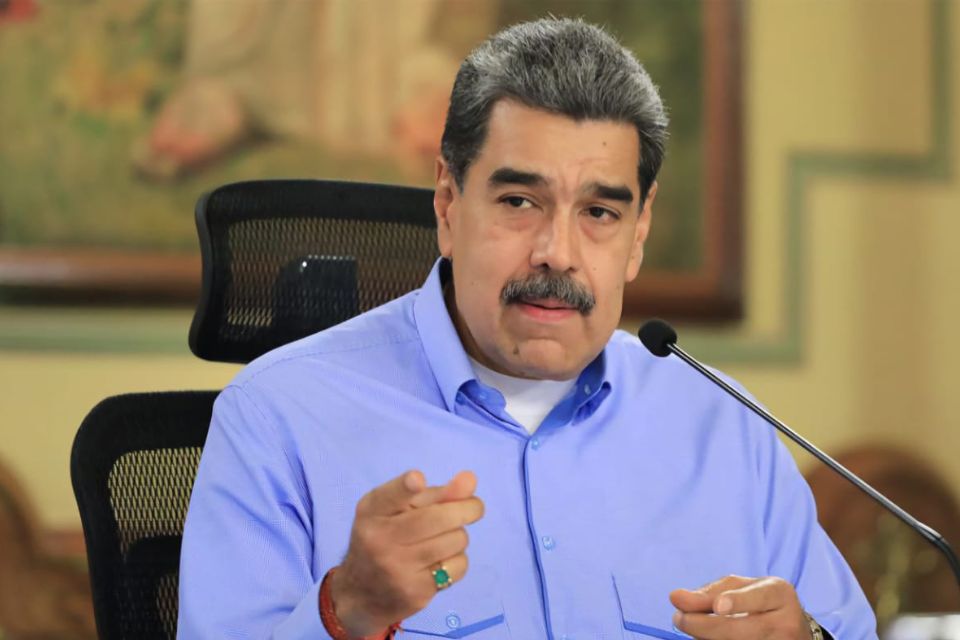
Once again, Nicolás Maduro showed himself willing to have a dialogue with the United States and rejected the fabrication of a “virtual reality” to impose “a model of colonial domination” and “steal” the country’s natural resources.
During an activity to deliver community works, broadcast by Venezolana de Televisión this Friday the 26th, Maduro assured that “the failed models” of Leopoldo López, Julio Borges, Juan Guaidó and María Corina Machado “will never take this country.”
He emphasized that Venezuela will continue with its plan, its leadership and its people. “And if one day in the United States it occurs to someone, on the basis of respect, to talk and overcome failed projects of more than 25 years, there will always be a president here who represents his people to extend his hand and seek paths of peace, cooperation and prosperity,” he said.
Since the military deployment in the Caribbean began in mid-August, Maduro has called the President of the United States, Donald Trump, to dialogue on several occasions.
In September, Maduro sent a letter to Trump in which he rejected the drug trafficking allegations against him and opened the doors to a conversation.
A hundred people have died in operations against drug trafficking cartels ordered by Trump in Caribbean and Pacific waters.
On December 3, Maduro reported a phone call he had recently had with Trump, although without revealing details of the conversation, which was, he said at the time, “cordial” and in a “tone of respect.”
The administration of Donald Trump, for its part, maintains its accusations against Nicolás Maduro and his closest collaborators, whom it accuses of leading the Cartel of the Suns. Through different means, the government of The United States exerts pressure and tightens the siege about Chavista officials.
With information from the EFE/EVTV agency
*Journalism in Venezuela is carried out in a hostile environment for the press with dozens of legal instruments in place to punish the word, especially the laws “against hate”, “against fascism” and “against the blockade.” This content was written taking into consideration the threats and limits that, consequently, have been imposed on the dissemination of information from within the country.
Post Views: 554