The National Assembly, controlled by Chavismo, approved a rule that punishes those who support seizures of Venezuelan crude oil or measures promoted by the United States with imprisonment and confiscation of assets.
MADRID, Spain.- The National Assembly of Venezuela, controlled by the ruling party, approved a law that contemplates sentences of between 15 and 20 years in prison for people who support, promote or endorse actions that the Nicolás Maduro regime qualifies as “piracy” or “blockades” against the country’s maritime and oil trade.
The law, called the Law for the Protection of Freedoms of Navigation and Commerce against Piracy, Blockades and other International Illegal Acts, was approved unanimously in the Chavista Parliament. Its wording is broad and sanctions those who “promote, instigate, request, invoke, favor, facilitate, support, finance or participate” in actions undertaken by States, corporations or foreign persons against commercial operations linked to Venezuela.
In addition to prison sentences, the law provides for high fines and the seizure of assets through the application of the Asset Forfeiture Law, which expands the punitive scope of the text and reinforces State control over people and assets considered “enemies” of the regime.
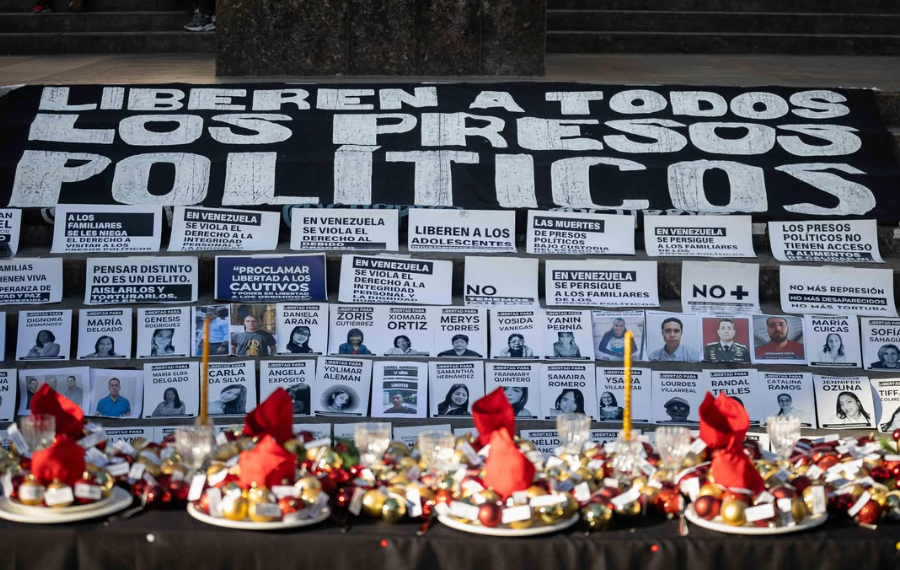
This law is a new instrument of political criminalization, which could be used to persecute opinions, public pronouncements, legal advice or international links that support sanctions or pressure measures against the dictatorship. Analysts warn that its ambiguous wording opens the door to arbitrary criminal proceedings, both against Venezuelan citizens and against external actors.
The norm thus reinforces the repressive scaffolding of the Maduro regime, at a time of growing international isolation and deepening of the country’s political and economic crisis.
The approval of this legislation occurs in a context of growing tensions with the United States, following several seizures of ships transporting sanctioned Venezuelan crude oil in the Caribbean. The Maduro Government has described these actions as “naval piracy”, while Washington frames them within its policy of sanctions against the Chavista regime.
Last Sunday, the United States intercepted a third oil tanker off the coast of Venezuela, marking the second such seizure over the weekend.
On Saturday, the North American Coast Guard had intervened on a ship belonging to the Chavista regime, a fact that had already been preceded by the actions against the Skipper ship during your trip to Cubalast December 10.
The last two confiscations come just days after President Donald Trump gave the order to impose a “total and complete blockade” on all sanctioned oil tankers entering or leaving Venezuela, in a new escalation of pressure against the Nicolás Maduro regime.